Introduction#
Ask any woman what she reaches for on a chaotic Tuesday morning and the answer is rarely her most photographed bag. It’s the one that fits her laptop, her wallet, her kid’s snack, and still looks polished walking into a client meeting. That’s the paradox at the heart of designer everyday bags: they need to work as hard as a tote from the mall, while holding value like a piece of art.
And increasingly, they do exactly that. A widely cited study on the Hermès Birkin found the bag delivered an average annual return of roughly 14.2% between 1980 and 2015, outpacing gold and, in several stretches, the S&P 500. That’s not a fluke tied to one rare exotic skin colorway. It’s a pattern across a handful of houses that have figured out how to make scarcity, craftsmanship, and desirability compound over time.
I’ve bought, sold, and worn my way through more of these bags than I’d like to admit to my accountant, and I can tell you the investment angle is real, but it’s not automatic. Not every “It” bag holds its price, and plenty of gorgeous, well-made pieces are pure depreciating luxury. This guide is about the ones that thread both needles this season: bags you’ll actually carry every day, and ones a savvy collector would be comfortable buying pre-owned or eventually reselling.
Why Invest in Designer Everyday Bags#
The idea of a handbag as an “asset” sounds like marketing spin until you look at the resale data. Chanel and Hermès in particular have shown consistent value retention, and in some cases appreciation, especially on styles that are discontinued, limited, or tied to a signature design detail. Analysis from Deloitte and Credit Suisse has pointed to average returns as high as 38% on certain Birkin references over multi-year holding periods, which is a startling number for something you can also use to carry groceries.
A few reasons this asset class behaves differently than, say, a car or a designer coat:
- Deliberate scarcity. Hermès famously limits production and controls distribution. Chanel raises prices on core styles almost annually, which pushes up the resale floor on existing bags in the market.
- Authentication infrastructure. Reputable pre-owned platforms now offer physical and digital authentication, condition grading, and sometimes buyback or trade-in programs. That reduces the risk that used to make buying secondhand luxury feel like a gamble.
- Appraisal transparency. You can get a real sense of a bag’s current market value before you buy or sell, rather than guessing based on the original retail receipt from five years ago.
None of this means every bag appreciates. Most designer handbags, even beautiful ones, depreciate the moment they leave the store, the same as a new car. The investment-grade tier is a small slice of the market, and it’s worth knowing the difference before you spend five figures assuming resale magic will happen on its own.
The Brands That Lead the Investment Game#
If you look at any serious resale index, the same three names keep appearing at the top: Chanel, Hermès, and Louis Vuitton. It’s not brand loyalty talking, it’s math.
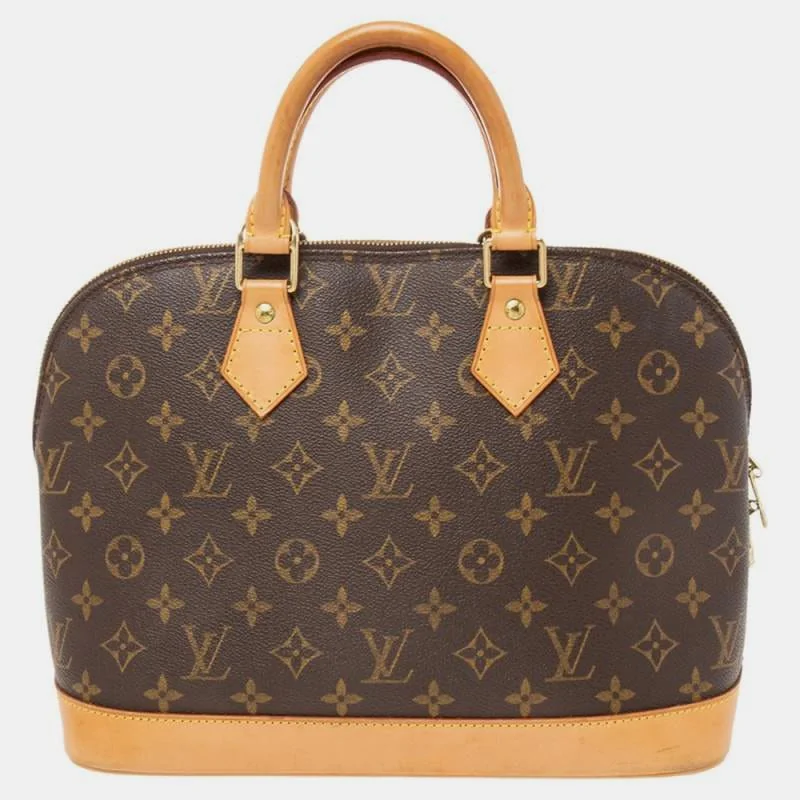
Hermès controls supply so tightly that demand for the Birkin and Kelly has created genuine waitlists and a thriving secondary market where certain colorways sell above retail. Chanel’s Classic Flap has become almost a proxy for handbag inflation, since the brand’s frequent price increases mean older bags bought at lower price points look like bargains in hindsight. Louis Vuitton’s monogram canvas pieces, like the Alma and Speedy, benefit from a different kind of value driver: instant global recognizability and genuine durability, which keeps demand steady across generations rather than trend cycles.
Beyond this trio, houses like Dior and Valentino sit in an interesting middle tier. They don’t command Birkin-level appreciation, but signature designs (Dior’s Saddle, Valentino’s Rockstud) build enough brand equity that resale values stay respectable, especially for well-kept pieces in classic colors. I’d call these “smart buys” rather than “blue-chip investments,” a distinction worth keeping in mind when you’re deciding where to spend versus where to splurge.
This Season’s Top Everyday Bag Picks#
Rather than ranking single bags, it’s more useful to think in categories, because the right pick depends on how you actually live, not just what’s trending on Instagram.
The Crossbody for Constant Motion#
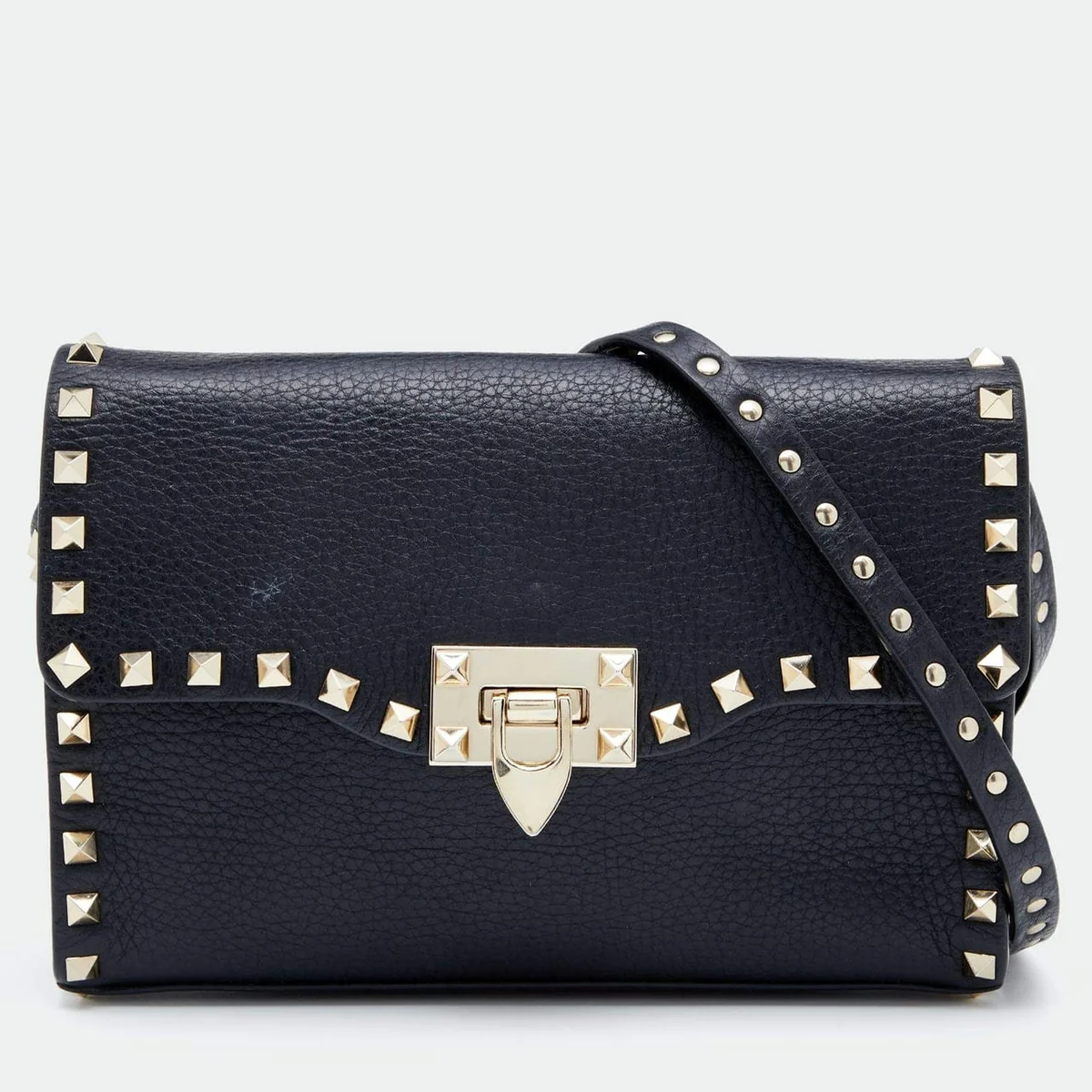
If your day involves transit, errands, and not wanting to think about your bag, a structured crossbody earns its keep. The [[[Valentino Rockstud](/buying-guides/valentino-glam-lock-bag-black-leather-beaded-review/)](/buying-guides/valentino-bags-to-invest-in/)](/brands/valentino-roman-stud-shoulder-bag/) crossbody in black leather is a strong example: understated silhouette, instantly recognizable gold stud detailing, and a strap drop that actually works hands-free. My honest take is that it’s more “smart daily investment” than “blue-chip collectible,” but resale demand for clean, low-logo Valentino pieces has stayed solid, particularly in black. The main downside is that stud hardware shows wear if you’re rough with it, so condition matters a lot at resale time.
The Structured Tote for Work#
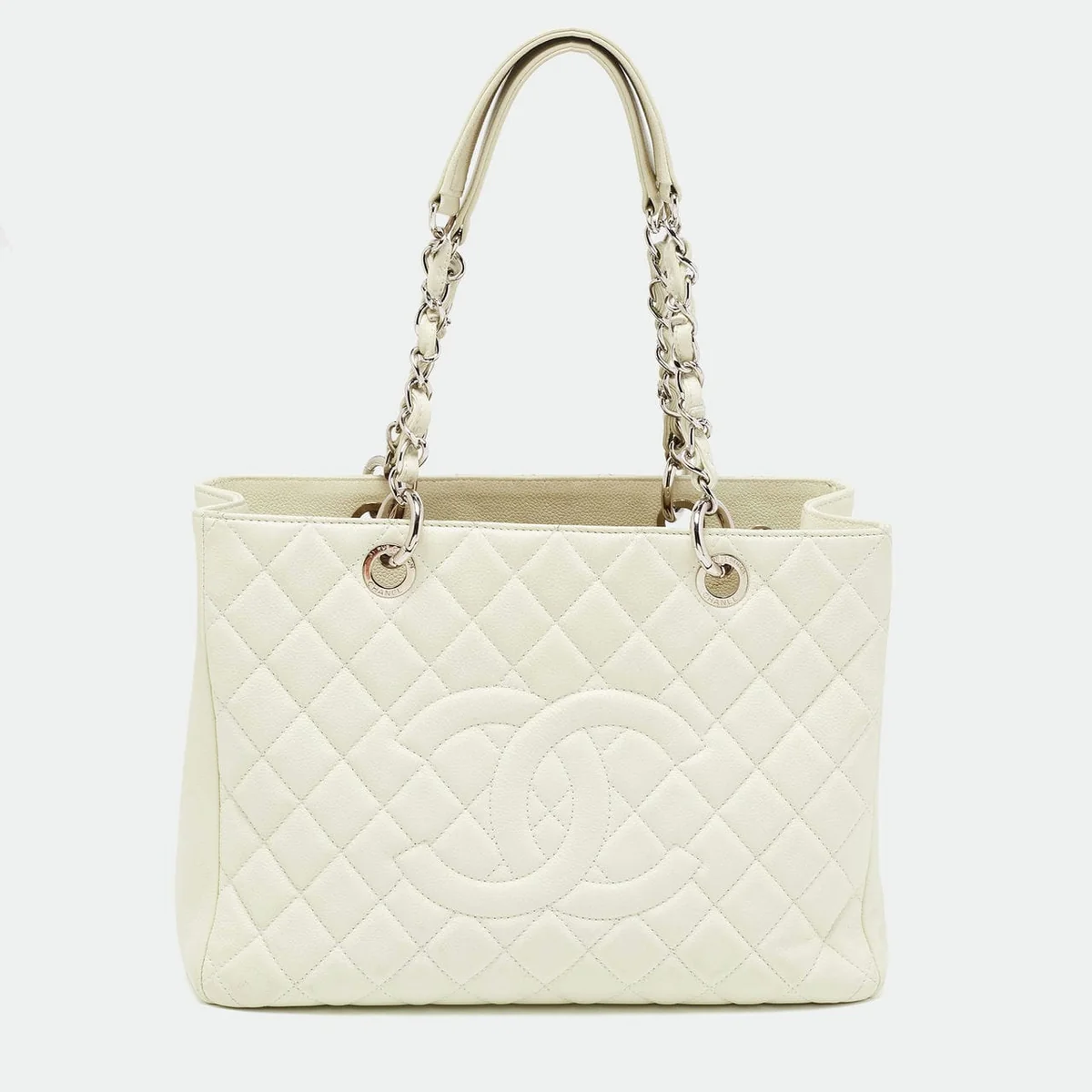
For anyone who needs a bag that survives a commute, a laptop, and a client lunch, look at structured totes and shoppers. Chanel’s quilted caviar leather totes hold up well here; caviar leather resists scratching far better than lambskin, which matters enormously for daily use and, later, for resale grading. The catch is size and weight. Chanel totes in larger sizes can feel bulky if you’re petite or prefer a slimmer profile.
The Heritage Icon Built to Outlast Trends#
This is where Hermès and Louis Vuitton earn their reputation. The Hermès Evelyne, with its perforated H and clean canvas or leather construction, is genuinely one of the most practical Hermès bags for daily rotation, and it holds resale interest well above what its relatively accessible entry price would suggest. Louis Vuitton’s monogram canvas pieces, like the Alma, are nearly indestructible and age gracefully, which is exactly why they show up so often, and in such good condition, on the pre-owned market. The tradeoff with both is availability. Hermès pieces often require patience or a pre-owned search; monogram canvas LV, while easy to find, is so ubiquitous that it won’t turn heads the way a rarer bag will.
The Statement Bag with Personality#
Not every investment pick needs to be quiet. Fendi’s Spy bag and Givenchy’s Antigona both deliver a stronger silhouette and more visual interest, which appeals to buyers who want their everyday bag to double as a style statement. These carry more resale volatility than the heritage picks above, since their value is tied more closely to trend cycles and celebrity visibility than to house-wide scarcity. If you’re buying primarily for investment, treat this category as a smaller allocation. If you’re buying because you genuinely love the design, that’s reason enough on its own.
How to Choose the Right Bag for You#
The bag that photographs beautifully on someone else’s shoulder can be the wrong bag for your actual life. A few criteria I always walk clients through:
- Size. Be honest about what you carry daily. A mini bag that can’t hold your phone, cards, and keys will end up sitting in your closet, no matter how covetable it is.
- Hardware and color. Gold hardware tends to photograph warmer and pairs more easily with a wider wardrobe; silver reads more modern and cool-toned. Neutral colors (black, tan, cream) hold resale value better than seasonal or trend colors, which age faster visually.
- Versatility of carry. A bag with both a shoulder strap and a top handle, or a detachable crossbody strap, adapts to more outfits and occasions, which matters both for daily use and for resale appeal.
- Material durability. Caviar leather, epsom leather, and monogram canvas all resist scratching and water far better than smooth lambskin or suede. If this is a true daily bag, durability should outweigh how the material looks in a single photo.
The mistake I see most often is buying for the version of yourself who goes to more events than errands. Buy for the week you actually have, not the one you’re imagining.
Buying Smart: Authentication and Pre-Owned Value Tips#
Buying pre-owned is, in my experience, the smartest way to get into an investment-worthy bag without paying the “new markup” that evaporates the moment you leave the store. It’s also where authentication becomes non-negotiable.
- Buy from platforms with in-house authentication, not just seller guarantees. Look for services that physically inspect stitching, hardware stamping, date codes, and interior tags rather than relying solely on photos.
- Ask for condition grading, not just a general description. “Excellent” from one seller can mean something very different from another; a documented grading scale protects both buyer and future resale value.
- Keep documentation. Authentication certificates, original receipts, and dust bags all matter when you eventually sell. A bag with full provenance consistently sells faster and closer to top market price than one without.
- Check buyback or trade-in options before you buy. Some pre-owned platforms offer appraisal tools or guaranteed buyback percentages, which gives you a clearer sense of your bag’s floor value from day one.
- Avoid deals that feel too good. If a Birkin or Classic Flap is priced dramatically below market, that’s a red flag for authenticity, not a lucky find.
FAQ#
Do designer bags actually appreciate, or is that overstated? Some do, most don’t. Hermès Birkins and Kellys, and select discontinued Chanel styles, have shown genuine appreciation. The majority of designer bags, including many gorgeous ones, depreciate over time like most consumer goods. Treat appreciation as a possible bonus on a small number of styles, not a guarantee across the category.
How do I know if a pre-owned bag is authentic? Buy from a platform or dealer that offers in-house physical authentication, not just a certificate from the seller. Check stitching consistency, hardware engravings, date/serial codes, and lining quality. When in doubt, a third-party authentication service is worth the fee.
When is the best time to resell a designer bag? Generally, right after a brand price increase (which raises the resale floor on existing bags) or when a style is newly discontinued (which creates scarcity). Selling in excellent condition, with original packaging and documentation, also meaningfully improves resale price.
How should I care for a bag I plan to eventually resell? Store it stuffed and dust-bagged out of direct sunlight, avoid overloading it (which stresses handles and structure), and have leather conditioned occasionally rather than left to dry out. Water and scratches do more resale damage than genuine age.
Is it better to buy new or pre-owned for investment purposes? Pre-owned, in most cases. You avoid the immediate depreciation that hits new bags, and with proper authentication, you’re buying at a price point that leaves more room for the bag to hold or gain value over your ownership period.
Related Articles#
- Designer Handbag Trends 2025: What’s Actually Worth Buying
- Best Designer Everyday Bags to Invest In 2026
- Best Designer Handbag Brands Worth the Investment 2025
- Why the Chanel Crossbody Bag Never Goes Out of Style
- Sell Designer Handbags in 2025: Get Paid More, Faster
Related guides
- Online Bag Authentication: What Photos Can and Cannot Prove
- Fake Goyard Bag Guide: How to Spot Real vs Fake (2026)
- How to Spot a Fake Chanel Flap Bag: Authentication Guide
- How to Spot a Fake Hermès Birkin: Expert Checklist
- How to Buy an Authentic Luxury Bag from China Safely
- New vs Pre-Owned Luxury Bags: Which Route Is Right for You?
- Chanel Bag Guide: What to Know Before You Buy
- Luxury Bag Houses


Keyword index