Introduction: The History and Evolution of Heels#
Heels haven’t always been about femininity or fashion. Long before they became a symbol of elegance, they were functional gear built for men on horseback. Persian cavalry soldiers wore heeled boots that locked into stirrups, giving them a firmer grip while riding and shooting arrows. When Persian diplomats visited Europe in the early 1600s, European aristocracy adopted the style purely for looks, stripped entirely of its riding purpose.
By the 17th and 18th centuries, heels had become a mark of class in the French and English courts. Louis XIV was known for his red-heeled shoes, reserved almost exclusively for nobility. Catherine de’ Medici’s custom-made heels for her 1533 wedding to the future King of France are often credited as one of the earliest instances of heels being used to project stature and authority at a public event.
Heels have carried that dual identity of function and status ever since. What we now call “designer heels” — from Chanel’s two-tone slingbacks to [Christian Louboutin](/buying-guides/red-designer-pieces-for-holidays-style-guide/)’s red sole — are the modern continuation of that centuries-old link between height, craftsmanship, and social signaling. Understanding that history matters because it explains why a well-made heel still commands attention, and why the shape, proportion, and construction of a shoe can say as much about the wearer as the label stitched inside it.
General Heels vs. Designer Heels: The Key Difference#
I’ve tried on enough $40 heels and $900 heels to say the difference isn’t always obvious in a five-second glance across a shoe rack. It shows up after two hours of wear, and again after two years of use.
Mass-market heels are usually built around a single priority: looking good in a product photo. Materials are often bonded rather than stitched, insoles are minimally padded, and the heel-to-toe balance is rarely tested on a real foot for hours at a time. That can be a smart choice for a one-off event or a trend you’re not sure will last — there’s no shame in that.
Designer heels are engineered around a different brief entirely. Houses like Manolo Blahnik, Aquazzura, and Gianvito Rossi build each last (the foot-shaped mold a shoe is built on) with consistent proportions season after season, so once you know your fit in one style, you can shop future pairs with real confidence. That kind of consistency is something mass-market brands rarely offer.
Three things generally separate the two tiers:
- Construction: Leather or hand-stitched soles, reinforced arches, and shanks that support natural foot movement, versus glued synthetic soles that flatten out fast.
- Comfort over time: A well-balanced 4-inch heel from a specialty label can feel more stable than a poorly engineered 2-inch heel from a fast-fashion brand, because weight distribution matters more than height alone.
- Longevity and resale value: Leather uppers and quality soles can be reconditioned, reheeled, and resoled for years. Bonded synthetic materials usually can’t be repaired at all.
None of this means every designer heel is automatically comfortable — some genuinely aren’t, and I’ll be upfront about that below. But the ceiling for comfort and durability is simply higher once quality materials and real construction are involved.
Explore Your Options: Types of Designer Heels#
Not every heel style serves the same purpose, and knowing the difference is the fastest way to stop buying pairs that end up sitting in a box. Here’s how the main categories break down.
Pumps, Kitten Heels & Block Heels: The Workhorses
This trio covers the heels you’ll actually wear on repeat. Pumps are the closed-toe, closed-back classic, typically sitting between 2 and 4 inches — think Gianvito Rossi’s pointed-toe pumps or a Chanel two-tone slingback. They work for the office, a wedding, and a dinner reservation without needing to be swapped out, which makes them the safest first investment in designer heels.
Kitten heels, usually 1.5 to 2 inches, trade height for all-day wearability. Prada and Miu Miu have leaned into this silhouette heavily in recent seasons, and it’s easy to see why: you get the posture and polish of a heel with almost none of the fatigue. Block heels widen the base for stability, making them the most forgiving option for cobblestones, grass, or long stretches of standing — Aquazzura and Valentino both do this shape well. The tradeoff is that block heels can look slightly less formal than a slender heel at a black-tie event.
Stilettos: The Statement Heel
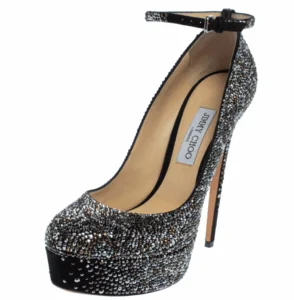
Stilettos are the thin, sharp heel most people picture when they hear “designer heels” — think Christian Louboutin’s signature red sole or Jimmy Choo’s evening styles. They’re dramatic, they lengthen the leg, and they photograph beautifully. They also demand the most from your feet and balance; even seasoned heel-wearers find anything over 4 inches tiring after a few hours. Reserve these for events where you’re mostly standing for photos and sitting for dinner, not walking for miles.
Platforms & Wedges: Height Without the Ache
Platform heels raise the front of the foot along with the back, reducing the incline your foot has to hold and easing pressure on the ball of the foot. Georges Hobeika and Saint Laurent have both used this construction to make very tall heels genuinely walkable. Wedges achieve something similar with a solid, continuous sole, making them a smart pick for outdoor events like garden weddings, where a thin heel would sink into the ground.
Sandals & Mules: Evening and Off-Duty Versatility
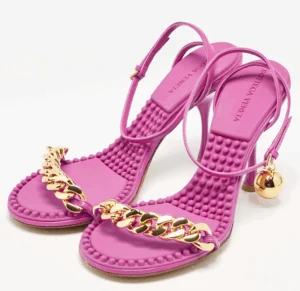
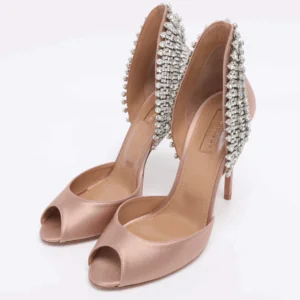
Strappy sandals, from Bottega Veneta’s sculptural ankle-strap styles to Aquazzura’s crystal-embellished pairs, are built for warm weather and evening events where a fully closed shoe feels too heavy. Mules — backless, slip-on styles — have become a genuine wardrobe staple rather than a summer-only item, with Hermès and Valentino now producing them in leather and suede for year-round wear. The obvious tradeoff with both styles is less ankle support, so they’re not the category to reach for on a night involving a lot of walking.
2025 Seasonal Heel Trends#
Spring/Summer 2025 runway collections leaned hard into two directions at once: sculptural, architectural heels (Bottega Veneta, Loewe) that treat the heel itself as the design statement, and a quieter, comfort-driven return to kitten heels and low block heels from Chanel and Prada. Retail is echoing both trends — brands are expanding kitten heel offerings while still pushing statement platform sandals for resort and event dressing.
For Fall/Winter 2025, expect a return to structured pumps in darker, richer leathers, alongside a continued mule resurgence — both Hermès and Valentino showed backless styles in wool-blend and suede finishes suited to cooler weather. Square and almond toe shapes are edging out the extreme pointed toe that dominated a few seasons ago, which is good news for anyone whose feet found that shape unforgiving.
The throughline across both seasons is comfort-conscious design without sacrificing polish — a shift that’s less about a single “it” shoe and more about brands rethinking proportion and construction across their core silhouettes.
Celebrity Picks: Who’s Wearing What#
Celebrity styling has always shaped which heel silhouettes feel current, and 2025 red carpets and street style have made a few patterns clear.
Sarah Jessica Parker’s decades-long partnership with Manolo Blahnik remains the reference point for the pointed-toe pump — it’s a large part of why the silhouette still reads as instantly glamorous rather than dated. Zendaya’s red carpet styling has consistently favored dramatic, architectural heels, often from Christian Louboutin or Jimmy Choo, reinforcing the stiletto’s status as the go-to for major appearances. On the street style side, Hailey Bieber and Kendall Jenner have both been widely photographed in slim kitten heels and low block heel mules, part of the broader shift toward comfort-first dressing among younger style icons. Rihanna’s ongoing affinity for Bottega Veneta’s sculptural styles has also helped push architectural, statement-heel shapes further into the mainstream.
The pattern worth noting: even at the highest level of red carpet dressing, comfort-driven silhouettes like kitten heels and block heels are getting real visibility, not just stilettos and platforms.
How to Choose the Right Designer Heels for You#
Buying a $600-plus pair of heels on impulse is how closets end up full of shoes worn once. A few questions worth working through before you buy:
What’s the actual occasion? A heel that’s perfect for a seated dinner is often wrong for a wedding on grass or a full day of work events. Match the construction — stiletto vs. block vs. platform — to how much walking and standing you’ll realistically do.
Do you know your true size across brands? Sizing varies meaningfully between houses — someone who wears a 38 in Louboutin may need a 38.5 in Chanel. If you’re buying online or secondhand, check the brand’s specific size chart rather than assuming your usual number.
How does the heel distribute weight? Try standing flat-footed in the shoe before walking in it. If your toes are jammed forward or your heel slides when you lift it, that discomfort will only get worse over a full day, no matter how good the leather is.
Is this a wardrobe investment or a trend piece? Classic pumps, mules, and slingbacks in neutral leather hold resale value better and stay wearable longer than heavily embellished or ultra-trend-driven shapes. If resale or long-term cost-per-wear matters to you, prioritize timeless shapes in black, nude, or leather-toned finishes over bold seasonal prints.
What’s the sole and heel construction? Leather soles feel elegant but wear faster and can be slippery on hard floors when new. Rubber-soled or reinforced heel tips add durability and grip, which matters if you’re buying a heel to actually live in, not just photograph.
No single pair checks every box perfectly. The right choice is the one that matches your actual life, not just the version of your life you’re dressing for that one night.
FAQs About Designer Heels#
What are the main types of designer heels? The core categories are pumps, kitten heels, block heels, stilettos, platforms, wedges, sandals, and mules. Each is defined by heel shape and height, and each suits different occasions — pumps and kitten heels for everyday wear, stilettos and platforms for statement dressing, and sandals or mules for warm-weather and evening events.
Are designer heels worth the investment? For classic, well-constructed shapes in leather, generally yes — they tend to hold resale value, can be professionally resoled and reconditioned, and last significantly longer than mass-market equivalents. Heavily trend-driven or embellished styles depreciate faster and are better bought for enjoyment than for resale.
What’s the most comfortable type of designer heel? Block heels and platforms are generally the most comfortable because they distribute weight more evenly across the foot. Kitten heels come close behind, offering a low height with minimal strain. Stilettos are the least forgiving for extended wear, regardless of brand.
How much height difference is there between heel types? Kitten heels typically sit at 1.5 to 2 inches, pumps and block heels range from 2 to 4 inches, and stilettos or platforms can go well beyond 4 inches. Wedge height varies widely depending on the sole design.
Do designer heel sizes run true to size? Not consistently across brands. Fit varies by house and even by shoe last within the same brand, so it’s worth checking brand-specific size guides rather than assuming your usual size will translate directly.
Recommendations and Buying Advice#
If you’re building a heel collection with long-term value in mind, start with one exceptional pair of leather pumps or slingbacks in black or nude — this is the shoe you’ll actually reach for most often, and it’s the easiest to resell later if your taste shifts. From there, add a block heel or kitten heel for comfort-first days, since these get more real wear than most people expect.
Save stilettos and platforms for a specific event rather than buying them speculatively — they’re worth owning, but they’re not the pair to lead with if you’re starting a designer heel collection. And if resale or investment value matters to you, stick to neutral leather over exotic skins or heavy embellishment; classic shapes from Chanel, Louboutin, and Manolo Blahnik consistently perform better on the resale market than trend-specific designs, simply because demand for them never really dips.
Buy from your actual life, not the version of it you’re dressing for one night. The heels that earn their price tag are the ones you’re still reaching for in three years, not the ones still sitting in the box.
Related Articles#
- YSL Tribute Sandals: Why This Iconic Style Still Reigns
- Spring/Summer 2014 Designer Shoe Trends to Know
Related guides
- Online Bag Authentication: What Photos Can and Cannot Prove
- Fake Goyard Bag Guide: How to Spot Real vs Fake (2026)
- How to Spot a Fake Chanel Flap Bag: Authentication Guide
- How to Spot a Fake Hermès Birkin: Expert Checklist
- How to Buy an Authentic Luxury Bag from China Safely
- New vs Pre-Owned Luxury Bags: Which Route Is Right for You?
- Chanel Bag Guide: What to Know Before You Buy
- Luxury Bag Houses


Keyword index