Introduction: Why [Pre-Owned Luxury](/buying-guides/best-luxury-casualwear-brands-effortless-style-2025/) Watches Are Having a Moment#
Time and watches have always been inseparable companions. The moment humans began measuring the passage of days, precision became a pursuit, and the watch was born. It reminded us to be punctual, present, and purposeful. As sundials gave way to tourbillons and pocket watches gave way to precision chronometers, horology evolved alongside our understanding of time itself. What began as a necessity became engineering. What began as engineering became art. And what became art eventually became an asset.
That last shift is the one worth paying attention to right now. Because while the boutique experience still sells the dream, it’s the pre-owned market that has quietly become where the smart money moves.
I’ve spent enough years handling watches on both sides of the counter — boutique waitlists, auction previews, and secondary-market deals — to say this plainly: buying pre-owned is no longer a compromise. It’s often the more informed choice. Retail prices on the most in-demand steel sports watches have detached from reality for years, waitlists stretch into the multi-year range for certain references, and the “discount” you get by walking into a boutique is largely theoretical if you can’t actually get the watch you want.
The pre-owned market solves that. It gives buyers immediate access to specific references, discontinued models, and vintage pieces that simply don’t exist at retail anymore. It also gives you something retail can’t: a track record. A watch that’s already ten or twenty years old has proven whether it holds value, whether its movement ages well, and whether demand for it is a passing trend or a durable pattern.
The numbers back this up. The global pre-owned luxury watch market, valued at roughly $24 to $26 billion in recent years, is projected to exceed $40 billion by 2030. That growth is being driven by exactly the kind of buyer reading this: someone comparing used Rolex watches against pre-owned Cartier watches, weighing luxury watch resale value against personal taste, and trying to figure out which of the best luxury watches for investment are actually worth chasing in 2026.
So let’s get into it — which pre-owned luxury watch brands have genuinely earned their reputation, and which ones are riding on hype that may not survive the next market correction.
What Separates a True Luxury Watch From the Rest#
Not every expensive watch is a luxury watch in the sense that matters to a long-term buyer, and not every “luxury” brand deserves a place in a collection built for value retention. Over the years, I’ve come to judge this on three criteria, in this order of importance.
Heritage that’s earned, not marketed. A brand’s history should be measurable in real milestones: patents, complications, world records, watches worn during historically documented events. Marketing can manufacture prestige, but it can’t manufacture a 250-year archive of hand-finished movements. This is why houses like Patek Philippe and Vacheron Constantin still command respect that newer luxury entrants simply can’t buy.
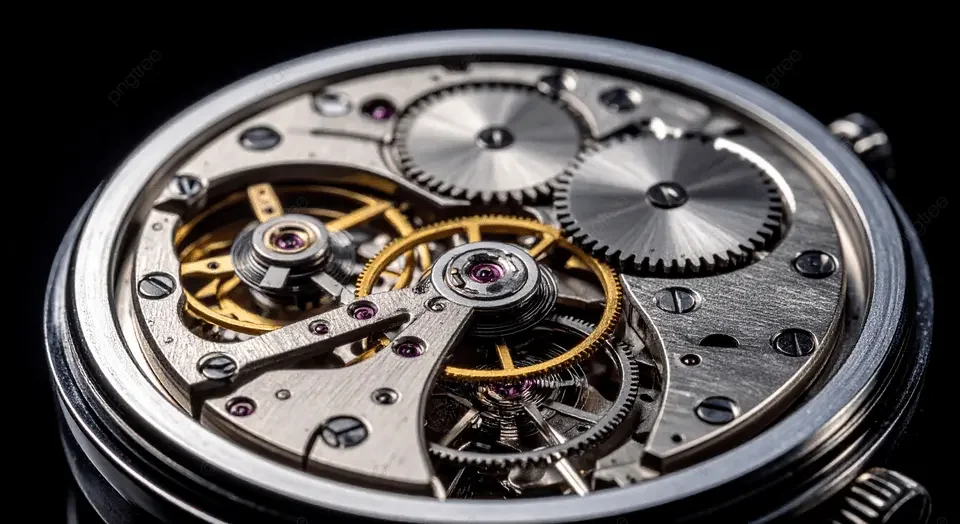
Craftsmanship that holds up under scrutiny. This means in-house movements, meticulous finishing (anglage, perlage, Côtes de Genève where applicable), and materials that age well rather than degrade. It also means consistency — a brand whose quality control has held steady across decades, not one that’s cut corners during expansion phases. I’ve handled enough vintage pieces to tell you that inconsistent QC shows up eventually, usually at the worst possible time, mid-service.
Resale performance across full market cycles, not just during a bull run. This is the criterion most buyers skip, and it’s the one that matters most for investment purposes. A watch that only holds value when demand is hot isn’t a store of value, it’s a speculative asset. The brands worth buying pre-owned are the ones that have weathered corrections — including the sharp 2022-2023 pullback in the secondary market — without collapsing in demand or in confidence.
Put those three together and you get a short list. Most “luxury” watch brands fail at least one of them.
The Top 6 Pre-Owned Luxury Watch Brands to Buy in 2026#
These are the six brands I’d point a serious buyer toward if long-term value, not just aesthetics, is the goal. None of them are flawless, and I’ll say so.
Rolex#
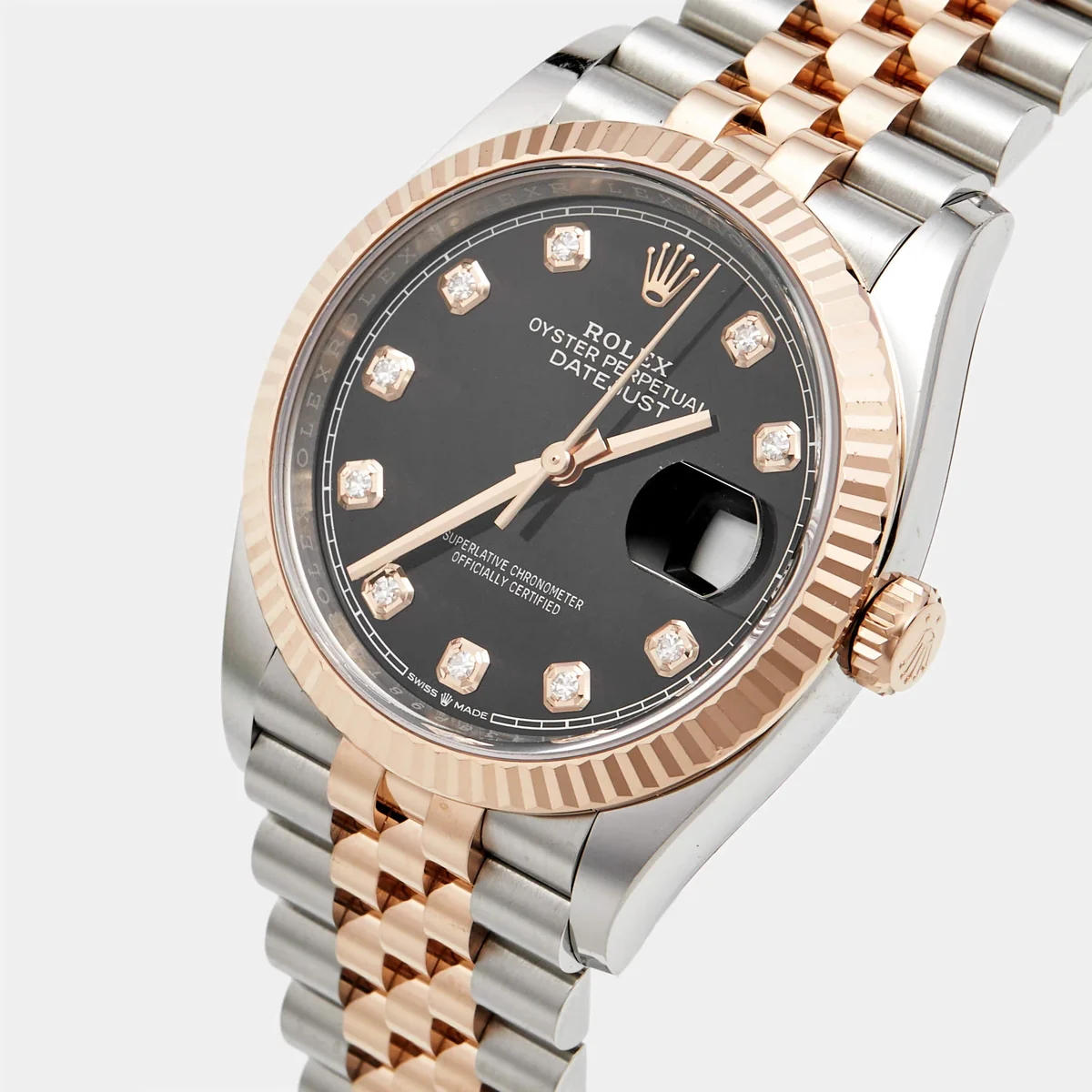
Rolex is the benchmark, and the pre-owned market treats it that way. Since 1905, the brand has pioneered innovations like the waterproof Oyster case and the self-winding Perpetual rotor, and models such as the Submariner, Daytona, and Datejust have become the default reference point for “does this watch hold value.” Even after the 2022-2023 correction knocked speculative premiums off models like the steel Daytona, demand for used Rolex watches has stayed remarkably resilient. The honest downside: because Rolex is the most counterfeited watch brand in the world, buying pre-owned means authentication has to be non-negotiable, not optional. Popularity is a double-edged sword here.
Patek Philippe#
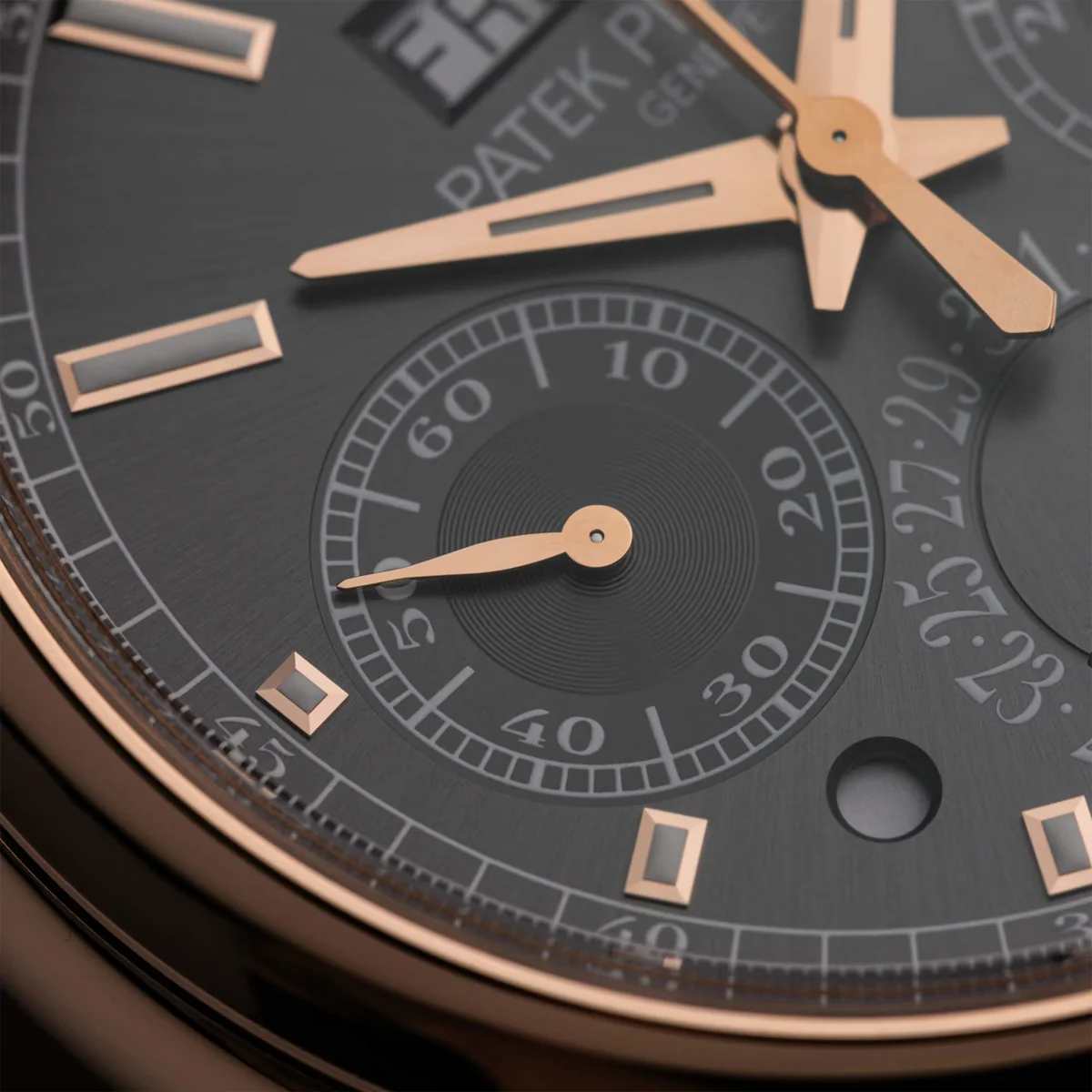
If Rolex is the benchmark for reliability, Patek Philippe is the benchmark for prestige and complication. references like the Nautilus and Calatrava have shown some of the strongest long-term appreciation in the entire pre-owned market, and the brand’s slogan, “you never actually own a Patek Philippe, you merely look after it for the next generation,” isn’t just marketing fluff, it reflects real multi-generational demand. The catch: entry prices are steep even on the secondary market, and hype-driven references (hello, steel Nautilus) have shown real volatility. This is a brand for buyers who can afford to be patient and selective, not chase whatever’s trending.
Cartier#
Cartier doesn’t always get grouped with the “big three,” but it should be on this list, and I say that as someone who’s watched its resale performance quietly outpace expectations. The Tank and Santos have become genuine crossover pieces, worn by collectors who care about horology and by buyers who simply want a recognizable design icon. Pre-owned Cartier watches also tend to be more accessible price-wise than Rolex or Patek references at a comparable prestige level, which makes Cartier a smart entry point for newer collectors. The downside: Cartier’s in-house movements, while improved significantly over the last decade, still don’t carry quite the same horological cachet as Patek or Vacheron among purists, so top-tier appreciation is less consistent.
Audemars Piguet#
The Royal Oak turned AP into a cultural phenomenon, and that’s exactly the problem and the opportunity. Certain Royal Oak references have seen extraordinary pre-owned demand and price appreciation, but that demand is concentrated heavily on a handful of models. Step outside the Royal Oak family and resale performance gets far less predictable. I’d recommend AP to buyers specifically hunting Royal Oak or Royal Oak Offshore references, with realistic expectations that they’re paying a premium for a very specific kind of desirability, not for the brand as a whole.
Omega#
Omega is, in my opinion, the most underrated brand on this list for pure value-for-money. The Speedmaster’s moon landing pedigree and the Seamaster’s Bond association give it story and substance most brands can’t match, and Omega’s in-house movements (particularly the Co-Axial calibers) are genuinely excellent engineering. Pre-owned Omega prices are far more accessible than Rolex, which makes it a strong first step into serious watch collecting. The tradeoff is honest: Omega doesn’t hold value quite as aggressively as Rolex or Patek, and depreciation on non-icon references (some Constellation and De Ville models) can be steeper. Buy Omega for the right models, not any model.
Vacheron Constantin#
Vacheron Constantin is the connoisseur’s choice, the brand collectors graduate to once they understand what they’re actually looking at. The Overseas and Patrimony lines combine serious haute horlogerie credentials with genuinely wearable design, and Vacheron’s continuous production since 1755 gives it a heritage story that’s hard to argue with. The downside is liquidity: the pre-owned Vacheron market is thinner than Rolex or even Patek, meaning it can take longer to sell a piece at the price it deserves. This is a brand for buyers who value substance over speed of resale.
How to Choose the Right Pre-Owned Watch for Long-Term Value#
Brand reputation gets you in the door. What actually protects your resale value is the condition and paperwork of the individual watch, and this is where I see buyers make the most expensive mistakes.
Condition matters more than most buyers realize. A watch that’s been polished aggressively loses sharp case edges and can visibly soften over time, which measurably hurts collector value, especially on vintage pieces where original case geometry is part of the appeal. Look closely at lug edges, bezel engravings, and dial printing under magnification if you can. Original, unpolished condition (sometimes marketed as “NOS” or with sharp lugs) commands a real premium.
Box and papers aren’t a formality, they’re part of the asset. A full set (original box, warranty card, purchase receipt, and any accompanying booklets) can add a meaningful percentage to resale value compared to a watch-only sale, particularly for Rolex, Patek Philippe, and Audemars Piguet. If a seller can’t produce papers for a modern watch, ask why before you ask for a discount.
Movement servicing history is where buyers get burned later, not upfront. A watch that hasn’t been serviced in a decade may run fine today and fail expensively in a year. Ask for service records, and if there are none, budget for a full service (which can run into four figures at an authorized service center) as part of your true purchase cost, not an afterthought.
What actually protects resale value long-term: sticking to core, historically strong references within a brand rather than limited editions chasing a trend; keeping the watch in original, unmodified condition; maintaining a servicing rhythm through authorized channels; and being honest with yourself about whether you’re buying a watch you’ll wear for years or a speculative flip. The watches that hold value best are almost always the ones bought by people who genuinely wanted to wear them.
Where to Buy Pre-Owned Luxury Watches Without Getting Burned#
This is the part of the process where good instincts save you real money, and bad instincts cost it.
Red flags I’ve learned to watch for: price that’s dramatically below market for the reference (there is almost always a reason), sellers unwilling to provide close-up photos of the movement, serial numbers, and hallmarks, mismatched fonts or printing quality on the dial compared to verified authentic examples, and any pressure to move quickly on payment before you’ve had a chance to inspect or authenticate. A legitimate seller will never rush you.
Trusted sourcing channels worth prioritizing:
- Authorized dealers and brand-certified pre-owned programs (Rolex Certified Pre-Owned, Omega’s certified program, and similar initiatives from other Maisons) offer factory-level authentication and often a warranty, though typically at a smaller discount to retail.
- Established luxury resale platforms with in-house authentication teams and money-back guarantees, which have become the backbone of the modern secondary market.
- Reputable auction houses for rarer or vintage references, where provenance documentation is part of the sale.
- Private sales, which can offer the best prices but carry the most risk and demand the most due diligence on your part, including third-party authentication before payment.
My honest recommendation: for anything above a few thousand dollars, pay for independent authentication or buy from a platform that guarantees it. The cost of verification is trivial compared to the cost of a convincing fake.
FAQ: Pre-Owned Luxury Watches in 2026#
Do pre-owned luxury watches actually hold their value? The right references from the right brands, yes, often better than newer luxury categories. But value retention isn’t automatic. It depends heavily on the specific model, condition, and completeness of box and papers, not just the brand name on the dial.
Are used Rolex watches a good investment in 2026? Core references like the Submariner, GMT-Master II, and Datejust have historically shown strong resilience, even through the 2022-2023 correction. Limited editions and hype-driven models are riskier and more cyclical, so stick to proven references if investment potential is your primary goal.
How do pre-owned Cartier watches compare to Rolex for resale value? Cartier generally trades at a lower entry point and has shown solid, if less explosive, appreciation on icon models like the Tank and Santos. It’s a strong choice for buyers who want prestige and design recognition without competing in Rolex’s inflated demand pool.
How can I verify a pre-owned luxury watch is authentic before buying? Cross-check serial and reference numbers with the brand, inspect movement finishing and printing under magnification, request full box and papers, and when in doubt, pay for third-party authentication or buy through a certified pre-owned program. Never rely on visual inspection alone for anything above a few thousand dollars.
Which luxury watch brand offers the best value-for-money for new collectors? Omega, in my experience, offers the strongest entry point. Its heritage, engineering, and pricing sit well below Rolex and Patek while still delivering genuine horological substance, particularly in Speedmaster and Seamaster references.
Should I buy vintage or modern pre-owned for long-term value? Both can work, but they require different expertise. Vintage rewards buyers who understand originality and condition nuances deeply; modern pre-owned rewards buyers focused on proven, in-demand references with complete documentation. If you’re new to collecting, modern pre-owned from a certified program is the safer starting point.
Related Articles#
- Certified Pre-Owned Luxury Watches 2026: Buying Guide
- Best Time to Buy a Luxury Handbag: Save More in 2025
- Why the Chanel Crossbody Bag Never Goes Out of Style
Related guides
- Online Bag Authentication: What Photos Can and Cannot Prove
- Fake Goyard Bag Guide: How to Spot Real vs Fake (2026)
- How to Spot a Fake Chanel Flap Bag: Authentication Guide
- How to Spot a Fake Hermès Birkin: Expert Checklist
- How to Buy an Authentic Luxury Bag from China Safely
- New vs Pre-Owned Luxury Bags: Which Route Is Right for You?
- Chanel Bag Guide: What to Know Before You Buy
- Luxury Bag Houses

Keyword index