Introduction#
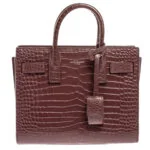
Hedi Slimane’s four years at Saint Laurent split opinion right down the middle. Purists accused him of stripping away the house’s storied sophistication in favor of rock-and-roll minimalism. Others credit him with doing exactly what the brand needed: dropping “Yves” from the name, doubling revenue, and designing pieces that still define the label a decade later. The Sac de Jour is the clearest proof of that second argument.
Launched in 2013, the name translates simply to “bag of the day,” and that’s precisely the job it was built for. It’s not trying to be a status trophy in the way a monogrammed tote is. Instead, it leans on clean lines and a structured, almost architectural shape to do the talking. I’ve handled and sold enough of these to say the appeal isn’t hype-driven; it’s a genuinely well-considered piece of design that happens to have picked up a serious following, from Gigi Hadid to Kylie Jenner, along the way.
The question worth answering here isn’t whether the Sac de Jour looks good in street-style photos. It’s whether the construction, the sizing, and the price hold up once you’re the one carrying it every day. Here’s my honest take after living with it.
Design Anatomy#

The Sac de Jour’s silhouette is its strongest asset. It’s a structured tote with a boxy, almost briefcase-like stance, built around two rolled top handles and a detachable, adjustable shoulder strap for when you want to switch it up. The defining details are the accordion-pleated side panels, which flex slightly as the bag fills, and the buttoned compression straps at the top that cinch the shape when you want it neater.
Up front, a leather-wrapped padlock hangs as a nod to Saint Laurent’s saddle-bag heritage, more decorative than functional, but it’s become one of the bag’s most recognizable signatures. Metal studs on the base protect the leather from scuffing when the bag is set down, a small but practical touch that matters if you’re using this as a genuine daily carry. Branding is limited to a small embossed logo on the front, which is part of the appeal: this reads as expensive because of the leather and shape, not because of a logo doing the heavy lifting.
Inside, the layout is genuinely useful rather than an afterthought. You get two main compartments split by a center divider, a few slip pockets for smaller items, and a removable zipped pouch that acts as a self-contained catch-all. That pouch is a smart detail I appreciate more in daily use than in photos, since it means you’re not fishing for keys or lip balm at the bottom of a cavernous tote.
Leather quality varies by finish. The smooth calfskin versions are the most classic and, in my experience, the most resistant to daily wear. The grained leather is more forgiving of light scratches, which makes it a smarter pick if this will be an everyday bag rather than an occasional one.
Sizes and Fit for Your Lifestyle#
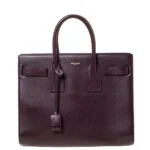
Saint Laurent offers the Sac de Jour in four sizes, and picking the right one matters more than with most totes because the structured shape doesn’t compress or expand the way a soft bag would.
The Nano is closer to a crossbody or handheld accessory than a true tote. It fits a phone, cards, and lipstick, and works best as an evening or dressed-up option rather than a workhorse.
The Baby size is the most versatile of the range and, in my opinion, the sweet spot for most buyers. It’s compact enough to look elegant with tailoring but still holds a small tablet, a wallet, and daily essentials without looking overstuffed. If you’re buying one Sac de Jour, this is usually the right call.
The Small size steps up to genuinely practical dimensions. It handles a laptop sleeve, a light cardigan, and the usual daily clutter, making it a strong choice for anyone who wants one bag to cover both errands and the office.
The Large is the true workhorse. It comfortably fits a 13-inch laptop, documents, and a change of shoes, but the trade-off is weight and visual scale. On a petite frame, the Large can look like it’s wearing you rather than the other way around, so try it on before committing.
Wearability and Everyday Practicality#
This is where the Sac de Jour separates itself from bags that look better in a lookbook than on your shoulder. The structured base means it holds its shape even half-empty, which is a real advantage over slouchy totes that collapse and become hard to see into.
That said, structure comes with trade-offs. The top handles are comfortable for hand-carry but sit a little short for some people to wear fully on the shoulder without the strap. The detachable shoulder strap solves this, but it’s not padded, and on the Large size loaded with a laptop, that thin strap digs in over a full day. If you’re commuting with it daily, budget for a strap pad or expect some shoulder fatigue by evening.
Access is another honest downside. The top isn’t fully open like a traditional tote; the compression straps and structured opening mean you’re reaching into a slightly narrower gap than the bag’s overall size suggests. It’s not a dealbreaker, but if you’re used to bags you can just drop your hand into, there’s a small adjustment period.
On the plus side, the leather is genuinely hardwearing when properly cared for, and the accordion sides do a good job of disguising a full load. This is a bag that looks composed even on a chaotic day, which is exactly what “bag of the day” was designed to deliver.
Celebrity Following and Style Appeal#
Part of the Sac de Jour’s staying power comes from how naturally it moves between wardrobes. Gigi Hadid has carried hers with everything from off-duty denim to tailored blazers, which says a lot about the bag’s actual versatility rather than just its photogenic quality. Kylie Jenner has favored it in bold color and exotic-skin variations, leaning into the bag as a statement piece rather than a background accessory.
What both approaches prove is that the Sac de Jour doesn’t demand a specific aesthetic to work. The clean silhouette reads as polished with minimalist dressing and just as intentional against something louder, since the bag’s structure provides visual contrast rather than competing for attention. In my experience recommending this bag to clients, it tends to suit people who want one tote that photographs well and still holds up for a genuine workday, which is a narrower brief than it sounds.
Investment Value and Resale Potential#
Retail pricing for the Sac de Jour typically runs from around $1,850 for the Baby in smooth calfskin up toward $2,500 and beyond for the Large or for exotic-skin and special finishes. That places it firmly in the same conversation as entry-level Chanel totes and the [[[Louis Vuitton](/authentication/how-to-spot-a-fake-louis-vuitton-bag/)](/buying-guides/most-popular-louis-vuitton-bags-2026/)](/brands/louis-vuitton-neverfull-insider-retail-story/) Capucines, though generally at a somewhat lower price point than either.
Resale is where the Sac de Jour is genuinely strong, if not spectacular. Classic black and neutral tones in the Baby and Small sizes hold their value well on the secondary market, typically retaining 50 to 65 percent of retail depending on condition, which is respectable for a bag that isn’t part of a waitlist-driven category like Hermès. Exotic skins and limited color drops can occasionally command a premium if condition is excellent, but demand for those is narrower and less predictable than for the classic leather versions.
Where it falls short of true “investment piece” status is durability under heavy daily use. The corners and base studs show wear over time, and the leather, particularly the softer grained finish, is more prone to scratching than something like Chanel’s caviar leather. If resale value is a genuine priority for you, the smooth calfskin in black or a neutral shade in the Baby size is the safest bet, both for how it wears and for how easily it sells later.
Buying Advice: Is It Worth It?#
My honest verdict: yes, with a specific buyer in mind. The Sac de Jour earns its reputation as a modern classic. It’s well-designed, versatile across dressed-up and casual outfits, and priced sensibly relative to comparable houses. It’s a smart entry point into designer totes for someone who wants structure and recognizable design without the six-figure waitlist drama of certain other brands.
A few practical tips if you’re considering one. Buy the Baby or Small size unless you specifically need laptop capacity, since the Large can overwhelm smaller frames and strains the shoulder over a full day. Choose smooth calfskin in black, navy, or taupe if resale value matters to you at all; the fashion-forward colors and textures are fun but sell more slowly and for less. Inspect the base studs and corners closely on any pre-owned piece, since that’s where wear shows first and where restoration costs add up. And if hand-carrying matters to you day to day, try the bag with both handles and strap before buying, since comfort varies more by body type here than with most totes.
Where it isn’t the right fit: if you need effortless one-hand access throughout the day, or you’re buying purely as a store-of-value collectible expecting appreciation, look elsewhere. This is a well-made, versatile daily bag with solid resale performance, not a speculative asset.
FAQ#
Is the Saint Laurent Sac de Jour good for everyday use? Yes, particularly in the Baby or Small size. The structured shape holds up well to daily handling, though the unpadded strap can be uncomfortable with heavier loads over a full day.
What is the best size of Sac de Jour to buy first? The Baby size suits most buyers. It’s large enough for daily essentials without the bulk of the Small or Large, and it’s the easiest size to resell later.
Does the Sac de Jour hold its value? Classic colors in smooth calfskin retain a reasonable share of retail value on the resale market, generally more than fast-fashion designer totes but less than Hermès or top-tier Chanel pieces.
What leather is best for durability? Smooth calfskin outperforms the grained finish for scratch resistance, making it the better pick if you plan to use the bag daily.
How does the Sac de Jour compare to other designer totes? It sits between entry-level Chanel and Louis Vuitton totes in price, with a more minimalist design language than either and a stronger architectural silhouette than most soft-structured totes on the market.
Related Articles#
- 50 Best Bags Under $500: Smart Style on a Budget
- Saint Laurent Kate Bag Review: Style, Fit & Resale Value
- Replica vs Pre-Owned Bags: Which Is the Smarter Buy?
- How Pre-Owned Luxury Fashion Is Reshaping the Industry
- 5 Best YSL Bags to Invest In (Buying Guide)


Keyword index