Introduction: Why Bally Still Matters in Luxury Fashion#
Bally doesn’t get talked about nearly as much as Chanel, Hermès, or Louis Vuitton, and I think that’s actually part of its appeal. Founded in Switzerland in 1851 by Carl Franz Bally, the house started as a ribbon and trim manufacturer before pivoting into leather goods and footwear, eventually building a name for precision craftsmanship that Swiss manufacturing is known for in the first place. Over the following 170-plus years, Bally expanded into handbags, ready-to-wear, and accessories, with boutiques now scattered across the US, Europe, Asia, and Australia.
What’s interesting is that Bally has never chased the hype cycle the way some newer or more Instagram-friendly labels have. It’s a heritage house that’s stayed relatively quiet, which means it doesn’t carry the same instant recognition as the Big Four. But that’s also why it’s worth a second look if you’re shopping the luxury handbag market: Bally sits in an interesting middle tier, offering genuine Swiss-leather craftsmanship and a real archive of design history, at price points that are noticeably more accessible than Hermès or Chanel. Whether that translates into a smart purchase depends on what you’re actually looking for, and that’s what this guide is going to unpack.
Investment Value: Do Bally Bags Hold Their Worth?#
Let’s start with the honest answer: Bally bags are not the investment powerhouses that a [Chanel Classic Flap](/buying-guides/vintage-chanel-finds-top-picks/) or an Hermès Birkin are. If resale appreciation is your primary goal, you need to know that upfront. The secondary market for Bally is thinner, auction houses feature it far less often, and mainstream resale platforms don’t track it with the same fervor.
That said, “not a Birkin” doesn’t mean “not worth buying.” A few things work in Bally’s favor:
- Material quality holds up. Bally has historically used full-grain and top-grain leathers sourced with the same rigor as its footwear line, which is genuinely where the brand’s expertise runs deepest. A well-cared-for Bally bag from the 80s or 90s can still look structurally sound today, and that durability matters for resale condition, even if the resale price itself is modest.
- Vintage and limited pieces do move. Archival Bally pieces, especially anything tied to a notable design era or a limited production run, do show up on resale platforms and occasionally command a premium over their original retail price. It’s not consistent across the board, but it happens more than people expect from a “lesser known” house.
- Demand is steady, not explosive. Bally has a loyal but modest following. That means you’re unlikely to see a bag double in value the way some hyped drops do, but you’re also less likely to see the bottom fall out.
My honest take: buy a Bally bag because you like the design, the leather, and the price-to-quality ratio, not because you’re expecting it to fund a future purchase. If investment appreciation is the primary driver, your money is better spent moving up to Hermès, Chanel, or a well-chosen vintage Louis Vuitton. If you want quality craftsmanship at a fairer price with modest resale potential, Bally earns its place.
Status and Styling: What Carrying a Bally Bag Says#
Carrying a Bally bag doesn’t send the same instantly-recognizable signal that a monogram canvas or a quilted flap does, and I’d argue that’s actually the point for a certain type of buyer. There’s a segment of luxury shoppers who have moved past wanting their bag to be immediately identifiable, and are more interested in quality and quiet craftsmanship. Bally fits that “quiet luxury” instinct well, since it reads as considered rather than logo-driven.
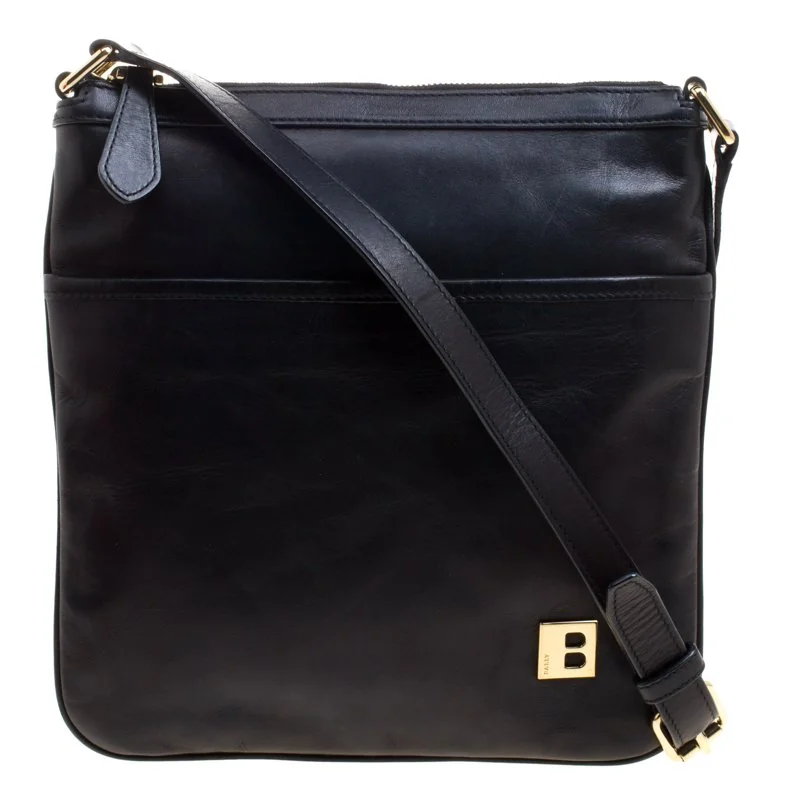
From a styling perspective, Bally’s handbag catalog leans structured and versatile: think totes, clean-lined shoulder bags, and crossbody styles that work as easily with tailored workwear as with weekend denim. The brand doesn’t lean heavily into seasonal trend pieces, so a Bally bag from a few years ago typically doesn’t look dated the way a heavily branded, trend-driven bag might.
Where it doesn’t compete: pure prestige. If your goal is maximum recognizability, or you’re buying specifically to be identified as carrying a top-tier house, Bally isn’t going to do that job. It’s a brand for people buying for themselves, not for an audience.
Craftsmanship and Design: Materials, Durability, and Aesthetic#
This is where Bally genuinely earns its reputation. The brand’s roots in Swiss shoemaking translate directly into how its bags are constructed, structured hardware, reinforced stitching at stress points, and leather that’s been tested for wear rather than chosen purely for how it photographs.
A few practical strengths worth noting from handling these bags directly:
- Leather selection. Bally typically favors full-grain and calf leathers that resist scratching better than the softer, more delicate leathers some competitors use for their entry-level lines. That’s a meaningful practical advantage if you’re an everyday carrier rather than a special-occasion buyer.
- Structural integrity. Bally bags tend to hold their shape well over time, thanks to solid internal framing. Totes and structured shoulder bags in particular don’t sag the way unlined, softer designs can.
- Design consistency. The aesthetic is clean, tailored, and understated. You won’t find a lot of loud logo placement or trend-chasing silhouettes, which is either a strength or a limitation depending on what you’re shopping for.
Where I’d flag a caveat: Bally’s design language, while consistent, is less distinctive than houses with a signature silhouette (think the Kelly, the Speedy, or the Baguette). You’re buying quality construction and understated aesthetics, not an instantly iconic shape. If having a “recognizable it-bag” matters to you, that’s a real limitation to weigh.
Customer Experience: Service and After-Sale Support#
Bally’s customer service reputation is solid, if unremarkable in a good way. Boutique staff are generally well-trained on the product line and reasonably responsive to inquiries about care, repairs, and product availability. The brand also maintains after-sale support for things like leather conditioning recommendations, hardware repairs, and minor restoration, which matters more than people realize when you’re spending several hundred to a couple thousand dollars on a bag you intend to keep for years.
It’s not the white-glove, appointment-only experience you get at Hermès, and it’s fair to say Bally’s after-sale infrastructure isn’t as globally consistent as Chanel’s or Louis Vuitton’s, boutique experience can vary more by region. But for a mid-tier luxury house, the support is dependable rather than a weak point. If something goes wrong with stitching or hardware within a reasonable window, most buyers report a straightforward resolution process.
Should You Buy a Bally Bag? Buying Advice#
Here’s my honest, practical read on who should buy a Bally bag, and how to shop for one:
Who it suits: Buyers who want genuine leather craftsmanship and Swiss heritage without paying entry-level Hermès or Chanel prices. It’s also a smart pick for people building a working, everyday luxury wardrobe rather than a “special occasion only” collection. If you value understated design over logo recognition, Bally is a strong fit.
Who should look elsewhere: If your primary motivation is resale value, status recognition, or owning an instantly identifiable “it-bag,” your money is better directed toward the established top-tier houses. Bally isn’t trying to compete on those terms, and buying it expecting that outcome will leave you disappointed.
Which styles to consider: Structured totes and clean-lined shoulder bags tend to showcase Bally’s construction strengths best. If you can find archival or limited-run pieces on the resale market, they’re worth prioritizing over current-season basics, since they carry more of the brand’s design history and tend to hold interest better over time.
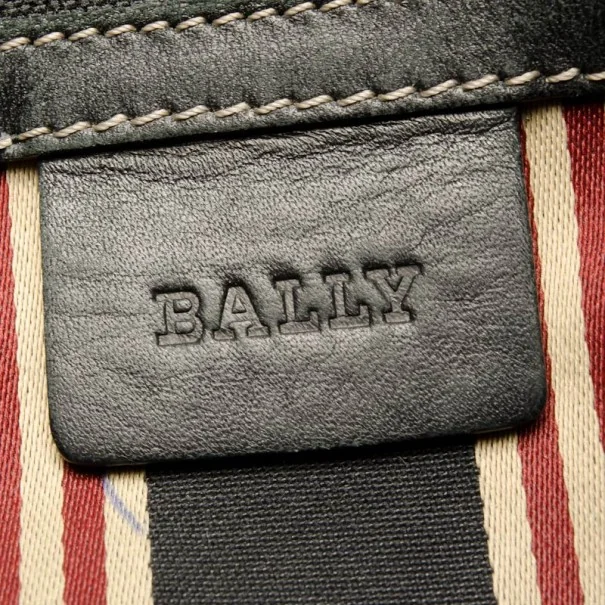
Where to buy authentic pieces: Stick to Bally’s own boutiques and official website for new pieces. For vintage or pre-owned, use reputable luxury resale platforms that authenticate inventory (check for detailed photos of the interior stamp, hardware engravings, and stitching pattern, all of which are consistent markers of genuine Bally construction). Be cautious of unusually low prices on generic marketplaces, since Bally counterfeits do exist, even if less frequently discussed than fakes of the bigger houses.
Beyond women’s bags: Bally’s leather goods line extends well into menswear, wallets, totes, weekender bags, messenger bags, laptop bags, briefcases, backpacks, and crossbody styles are all part of the current lineup, so this isn’t a brand limited to one gender or one bag category.
FAQs About Bally Bags#
Are Bally bags considered a luxury brand? Yes. Bally is an established Swiss luxury house with a history dating back to 1851, positioned in the mid-to-upper luxury tier, below Hermès and Chanel in prestige and price, but above accessible or diffusion luxury lines.
How do I know if a Bally bag is authentic? Check the interior leather stamp for consistent, evenly-spaced lettering, examine hardware for clean engravings without rough edges, and inspect stitching for uniform, tight spacing. Buying from Bally boutiques, the official site, or authenticated resale platforms is the safest route.
Are Bally bags a good investment? Modestly, not dramatically. Vintage and limited-edition pieces can hold or slightly increase in value, but Bally doesn’t see the same appreciation trends as Hermès or Chanel. Buy for quality and design, not primarily for resale gains.
How does Bally compare to Louis Vuitton or Chanel in pricing? Bally bags generally sit below Louis Vuitton and well below Chanel and Hermès at retail, making it a reasonable entry point into European luxury leather goods for buyers not ready to commit to top-tier price points.
Where should I buy Bally bags? For new pieces, Bally’s official boutiques and website. For vintage or discontinued styles, reputable [pre-owned luxury](/buying-guides/best-luxury-casualwear-brands-effortless-style-2025/) retailers with authentication processes are your best bet.
Related Articles#
- How Pre-Owned Luxury Fashion Is Reshaping the Industry
- Designer Handbag Trends 2025: What’s Actually Worth Buying
- Best Designer Handbag Brands Worth the Investment 2025
- Replica vs Pre-Owned Bags: Which Is the Smarter Buy?
Related guides
- Online Bag Authentication: What Photos Can and Cannot Prove
- Fake Goyard Bag Guide: How to Spot Real vs Fake (2026)
- How to Spot a Fake Chanel Flap Bag: Authentication Guide
- How to Spot a Fake Hermès Birkin: Expert Checklist
- How to Buy an Authentic Luxury Bag from China Safely
- New vs Pre-Owned Luxury Bags: Which Route Is Right for You?
- Chanel Bag Guide: What to Know Before You Buy
- Luxury Bag Houses


Keyword index