Introduction: Why Every Man Needs a Bag Collection#
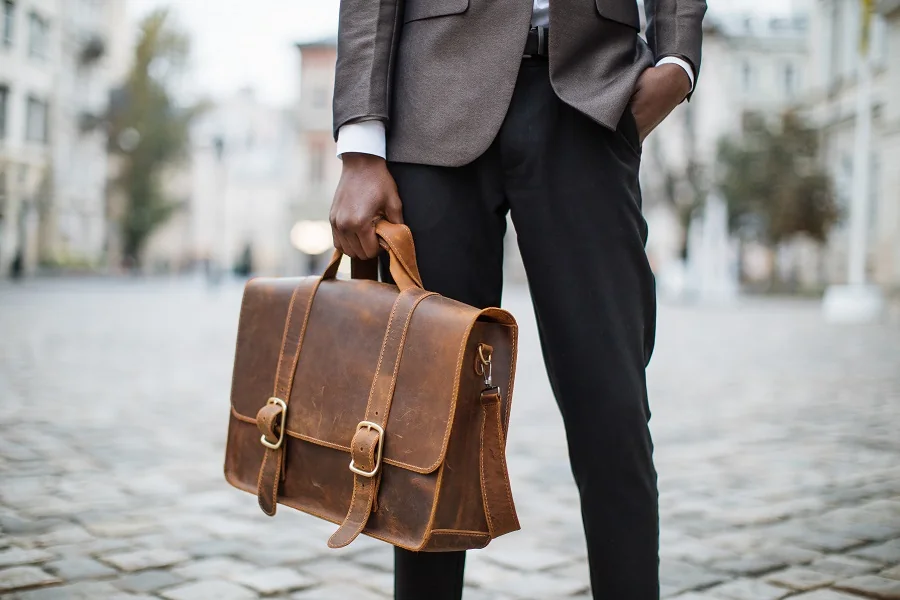
A well-built bag does more for a man’s wardrobe than most watches ever will. It’s visible every day, it takes a beating, and unlike a jacket or a pair of shoes, everyone sees it up close, on a desk, on a shoulder, in a cab. That’s exactly why the right bag has quietly become one of the smartest fashion investments a man can make, and one of the most overlooked.
I’ve bought, resold, and lived with enough men’s leather goods to know that not every bag earns its keep. Some look sharp in a photo and fall apart at the seams within a year. Others, like a well-kept Louis Vuitton Damier Graphite piece or a Ferragamo briefcase, only get better with use and hold real resale value years later. The difference usually comes down to knowing which style actually fits your life, not just your Instagram feed.
This guide breaks down the five bag styles every man should know before spending real money: briefcases, backpacks, messenger and crossbody bags, totes and weekend bags, and pouches or clutches. Each one solves a different problem. Building a small, purposeful rotation across these categories, rather than one flashy logo bag, is what separates a genuine collection from a single impulse buy.
Briefcases: The Timeless Professional Staple#
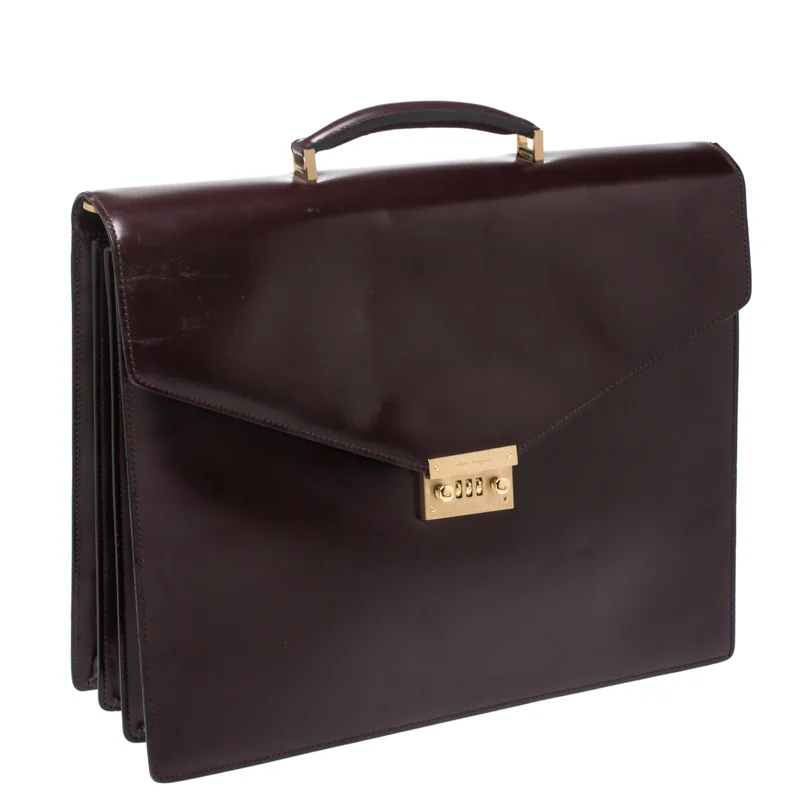
The briefcase is the original men’s bag, and it still hasn’t been improved on for what it does: carrying documents, a laptop, and a few essentials without looking like you’re commuting to the gym. It has legal and banking roots, originally built for lawyers hauling case files to court, and that heritage still shows in the structured, formal shape most briefcases keep today.
What I appreciate about a good briefcase is how it ages. A Montblanc Meisterstück in full-grain leather develops a patina that a nylon laptop bag simply cannot replicate. TUMI’s Gen 4.2 line takes the opposite approach, ballistic nylon and hard-wearing hardware built for people who fly weekly rather than walk to a corner office, and it’s genuinely more practical if your job involves airports more than boardrooms.
The honest downside: briefcases are rigid by design, which makes them useless for anything casual. Try to wear one on a weekend and it reads as trying too hard. They’re also heavier than a backpack when fully loaded, which matters if you’re carrying one for a full day.
For brand direction, Montblanc and TUMI cover the two ends well, heritage leather versus technical performance. Salvatore Ferragamo, Prada, and [Bottega Veneta](/buying-guides/best-luxury-clutches-2026-pre-owned-uae/) make strong leather alternatives with more fashion presence, while Goyard’s canvas briefcases are for buyers who want quiet status rather than logo visibility. Hermès also makes exceptional men’s briefcases in box calf and Togo leather, worth a look if you want something with serious investment value.
Backpacks: Hands-Free Versatility for Modern Men#
The backpack’s reputation has shifted more than almost any other bag style. A decade ago it was strictly casual, maybe even a little juvenile in a professional setting. Now it’s standard carry for commuters, gym-goers, and yes, plenty of men walking into offices with one on their shoulder and nobody blinking.
The practical case is simple: weight distributed across both shoulders instead of one arm or hand, which matters more than people admit once you’re carrying a laptop, a change of clothes, and gym shoes at the same time. Louis Vuitton’s Damier Graphite canvas backpacks, the Josh being a good example, hit a sweet spot between structured and casual. Gucci’s logo-print versions lean louder, which works if that’s the point you’re trying to make.
Styling-wise, this is where color choice matters most. A muted black or dark canvas backpack pairs with a suit almost as easily as jeans, which is what makes it genuinely versatile rather than just convenient. A bold monogram or graphic print, on the other hand, reads casual no matter what you wear it with, so save those for weekends and travel days.
Downside worth naming: backpacks compress and crease soft leather over time in ways briefcases don’t, since they’re not designed to sit flat. If structure matters to you long-term, look for reinforced panels or canvas-and-leather combinations rather than full soft leather. Beyond Louis Vuitton and Gucci, Burberry, Alexander McQueen, [Dolce & Gabbana](/brands/smeg-dolce-gabbana-collection/), and Coach all make backpacks that hold shape well and resell reasonably.
Messenger and Crossbody Bags: Everyday Ease#
Messenger bags come from mail carriers, which explains the defining features that have carried through: a single cross-body strap and a front flap closure built for quick access. That utilitarian origin is exactly why they’ve stayed relevant, they’re built for grabbing what you need without stopping to dig through a main compartment.
I find messenger and crossbody styles are the most underrated category on this list. They carry phone, wallet, keys, and maybe a slim folder of documents without the bulk of a briefcase or the two-shoulder commitment of a backpack. That makes them the easiest bag to actually wear daily, especially for anyone who isn’t hauling a laptop everywhere.
Material choice changes the personality entirely. Canvas messenger bags, the kind you’ll see from Burberry or Coach, lean casual and travel-friendly. Leather versions from Valentino, Gucci, or Ermenegildo Zegna dress up considerably and can work with tailored clothing if kept slim and structured rather than slouchy. Montblanc’s leather crossbody pieces sit closer to briefcase territory in formality, useful if you want something between the two categories.
The tradeoff is capacity. These bags simply can’t hold what a briefcase or tote can, so if your daily carry includes a 15-inch laptop plus files, you’ll outgrow a messenger bag fast. Treat it as your bag for lighter days, not your only bag.
Totes and Weekend Bags: Function Meets Luxury#
Totes used to be filed under women’s accessories, but that line disappeared a while ago. Open-top, structured, and generally more spacious than a briefcase, a good men’s tote handles everything from a Saturday grocery run to casual Friday at the office to a short work trip when paired with a garment bag.
What sold me on totes is the sheer flexibility of the shape. No zippers to fight with, easy to load and unload, and because there’s no rigid internal structure the way a briefcase has, they compress down when half-empty instead of looking awkward. Gucci’s GG Supreme canvas-and-leather totes are a good example of the style done well, structured enough to look intentional, soft enough to actually use.
Weekend bags extend the same logic to travel. Tod’s, Longchamp, and Fendi all make leather and canvas weekenders that handle a two or three night trip without checking a suitcase. TUMI’s weekend bags lean more technical, better if you’re rougher on luggage or traveling frequently.
The honest limitation: totes offer little to no security against pickpocketing since most have open tops, and they don’t organize contents the way a compartmentalized briefcase does. For a work trip involving a laptop and documents, I’d still pair a tote with a proper briefcase rather than relying on it alone.
Pouches and Clutches: The Understated Statement Piece#
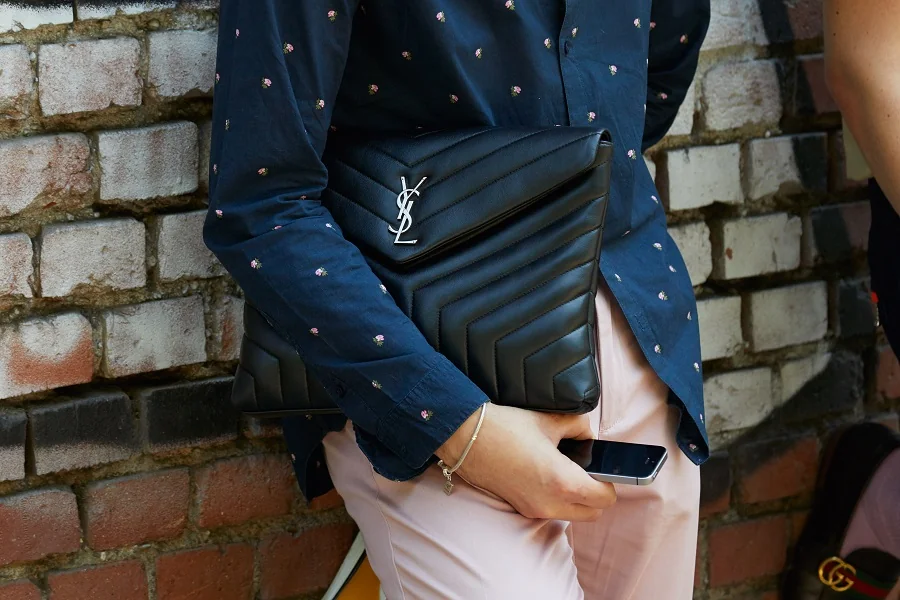
Clutches are the category men are slowest to adopt, and the one I’d argue is most worth reconsidering. Once considered strictly a women’s accessory, men’s clutches and pouches have carved out a real niche for evening wear and minimalist dressing, situations where a full bag is overkill but pockets alone aren’t enough.
The use case is narrow by design: keys, sunglasses, a phone, maybe an iPad or a slim tech pouch. That’s it. Which is exactly the point, this is the bag for men who’ve decided they don’t need to carry much and don’t want a bag that suggests otherwise. Dolce & Gabbana’s exotic-skin zip clutches are a strong example of the category leaning into craftsmanship rather than practicality, and pieces like that carry real collector value.
Styling a clutch is less about matching an outfit and more about matching a moment. Evening events, dinners, anywhere a briefcase or backpack would look out of place, this is where a well-made clutch from Prada, Dior, Valentino, Givenchy, or Tom Ford earns its space. Signature hardware and clean leather do more work here than logos, since the bag is meant to be understated rather than loud.
Downside is obvious: no capacity and no hands-free option. This is a supplementary piece, not a daily driver, and buying one as your only bag would be a mistake.
How to Choose the Right Bag Style for You#
Start with how you actually move through a day, not with the bag you like most in photos. If your daily carry includes a laptop and documents, a briefcase or structured tote earns its price. If you’re commuting hands-free or hitting the gym mid-day, a backpack solves problems a briefcase can’t. If you’re a light-essentials person, phone, wallet, keys, a messenger bag or crossbody will get more actual use than a bigger bag sitting half-empty.
Budget matters more than people admit upfront. A Montblanc briefcase and a TUMI briefcase solve the same problem at very different price points and very different aesthetics, one leather heritage, one technical performance. Neither is wrong, but buying the wrong one for your lifestyle is a genuine waste of money. The same logic applies to canvas versus leather: canvas ages better under daily wear and travel, leather ages better as a status object but needs more care.
Think about resale value if you’re buying with any investment mindset. Louis Vuitton canvas, Hermès leather goods, and Goyard hold value better than trend-driven logo pieces from faster fashion houses, simply because demand for them stays consistent. A backpack you’ll want to resell in five years should be a different purchase than a backpack you’re buying purely for this season.
Lastly, don’t buy redundant. If you already own a versatile leather tote, a second tote in a similar size and color adds little. The most useful collection covers different jobs, not different colors of the same job.
Recommendations and Buying Advice#
If you’re building a first collection rather than adding to an existing one, prioritize in this order: a briefcase or structured tote for work, a crossbody or messenger bag for daily light carry, then a backpack for travel and gym days. Clutches and weekend bags are additions, not foundations, buy them once the core three are covered.
For a first briefcase, I’d point most buyers toward Montblanc’s Meisterstück line for leather longevity and resale recognition, or TUMI’s Gen 4.2 if travel and durability matter more than heritage leather. For a backpack, Louis Vuitton’s Damier Graphite canvas pieces balance formality and casual use better than most logo-heavy alternatives. For a messenger or crossbody, Ermenegildo Zegna and Valentino both offer leather options structured enough for office wear.
On totes and weekend bags, Tod’s and Longchamp deliver the best value-to-durability ratio for regular use, while Fendi and Gucci suit buyers prioritizing design recognition over pure function. For clutches, treat this as a considered purchase rather than a starter piece, Dior and Tom Ford make versions worth owning specifically because you won’t buy a second one soon.
Whatever you choose, buy leather over canvas if you want resale value and canvas over leather if you want daily durability without maintenance. That single decision matters more than the logo attached to it.
Related Articles#
- Party Season Bags: 4 Silhouettes You Actually Need
- Popular Handbag Brands: Which One Is Right for You?
- Night Luxe Trend: Glitz & Glam Designer Style Guide
- Louis Vuitton Alma Bag: The Ultimate Buying Guide
- 50 Best Bags Under $500: Smart Style on a Budget
Related guides
- Online Bag Authentication: What Photos Can and Cannot Prove
- Fake Goyard Bag Guide: How to Spot Real vs Fake (2026)
- How to Spot a Fake Chanel Flap Bag: Authentication Guide
- How to Spot a Fake Hermès Birkin: Expert Checklist
- How to Buy an Authentic Luxury Bag from China Safely
- New vs Pre-Owned Luxury Bags: Which Route Is Right for You?
- Chanel Bag Guide: What to Know Before You Buy
- Luxury Bag Houses


Keyword index