Introduction#
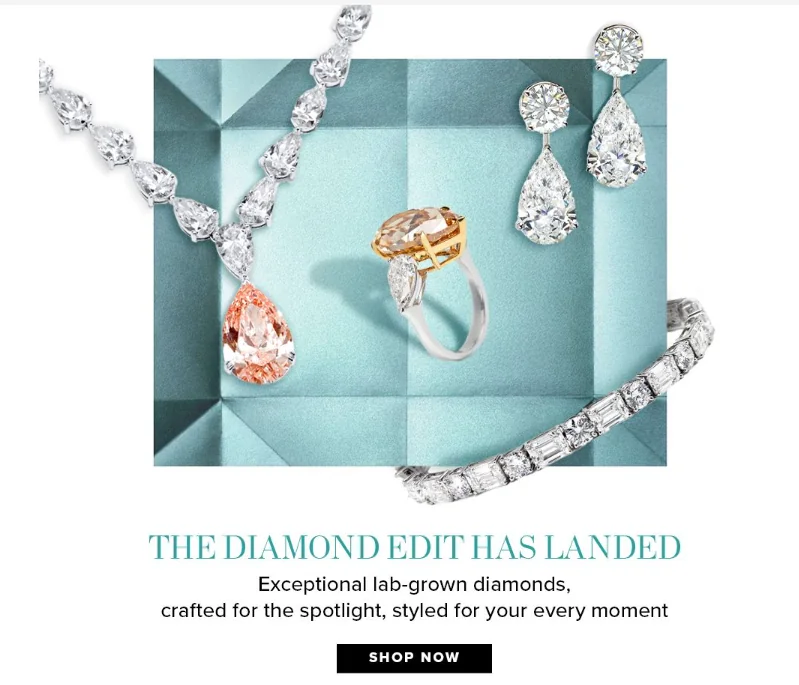
Ethics and sustainability have become as important as sparkle when shopping for engagement rings and fine jewelry. Buyers no longer just ask “how big is the stone?” They ask where it came from, how it was made, and whether the price reflects real value. That shift has pushed two alternatives to mined diamonds into the spotlight: moissanite and [[lab-grown diamonds](/buying-guides/real-diamonds-vs-lab-grown-diamonds/)](/buying-guides/lab-grown-diamonds-sustainable-luxury/) (also marketed as man-made diamonds).
Both are created in controlled environments rather than mined from the earth. Both sidestep the ethical and environmental baggage that has followed the diamond industry for decades. And both, at a glance, can pass for a traditional diamond. But that’s where the similarities end. One is chemically a diamond. The other is an entirely different mineral that simply mimics one very convincingly.
Having handled both stones side by side under a loupe, I can tell you the difference is real once you know what to look for, and it matters for anyone weighing budget against long-term value. This guide breaks down what each gem actually is, where they diverge on sparkle, durability, and resale, and which one makes sense depending on your priorities.
Why Moissanite and Lab-Grown Diamonds Get Confused#
I’ve had clients bring in “diamond” rings for cleaning that turned out to be moissanite, and they had no idea. The confusion is understandable, and it comes down to three overlapping factors.
They look similar at first glance. Both are colorless (or near-colorless), faceted, and set the same way a mined diamond would be. Unless you’re comparing them under magnification or testing them with a diamond tester, most people can’t tell them apart by eye.
They carry the same ethical appeal. Neither involves mining, so both are marketed as conflict-free and lower-impact choices. That messaging is largely accurate, though it’s worth noting lab-grown diamond production is energy-intensive too, so “eco-friendly” is relative, not absolute.
They show up in the same settings. Engagement rings, tennis bracelets, pendants, stud earrings, you’ll find both gems in nearly identical jewelry styles, often set in the same 14k or 18k gold and platinum mountings.
The overlap in appearance and marketing is exactly why so many shoppers assume they’re variations of the same product. They’re not, and the distinction affects price, durability, and how a jeweler or appraiser will treat the piece later.
What Is Moissanite?#
Moissanite is not a diamond substitute cut from the same cloth, it’s a completely different mineral: silicon carbide (SiC), compared to a diamond’s pure carbon structure. It was first discovered in 1893 by French chemist Henri Moissan in fragments from a meteor crater, which is a fitting origin story for a stone often described as “otherworldly” in its sparkle. Natural moissanite is exceptionally rare, so virtually every moissanite in jewelry today is lab-grown.
Charles & Colvard brought lab-created moissanite to the commercial jewelry market in the 1990s, and it’s remained a popular diamond alternative since, largely because it delivers a lot of visual impact for the money.
What stands out with moissanite in practice:
- Sparkle character: Moissanite has a higher refractive index (2.65–2.69) than diamond, which produces more fire, meaning more colorful, rainbow-toned flashes rather than the whiter, more subdued brilliance of a diamond. Some people love this; others find it reads a little too “disco ball” in direct sunlight, and I’ve had clients specifically ask to size down or choose a different cut to tone it down.
- Hardness: 9.25 on the Mohs scale. That’s excellent for daily wear, second only to diamond, but it’s not quite as scratch-resistant.
- Origin: Lab-created, which means no mining footprint and consistent quality control.
Moissanite is best suited to buyers prioritizing visible sparkle and affordability over the “it’s a real diamond” label, and it’s become a genuinely popular choice for engagement rings among budget-conscious shoppers who still want serious presence on the finger.
What Are Lab-Grown Diamonds?#
Lab-grown diamonds, also called man-made, synthetic, or cultured diamonds, are chemically identical to mined diamonds. Same pure carbon composition, same crystal lattice, same optical properties. The only difference is where they formed: a laboratory over weeks, rather than the Earth’s mantle over billions of years.
Industrial-use lab-grown diamonds date back to the 1950s, but gem-quality stones for jewelry didn’t enter the market seriously until the 2010s. Today, they’re graded by the same institutions using the same standards as mined diamonds, including the GIA’s 4Cs (cut, color, clarity, carat), and reputable sellers will provide a grading report just as they would for a mined stone.
Two production methods dominate:
- HPHT (High-Pressure High-Temperature): Recreates the extreme pressure and heat conditions diamonds form under naturally.
- CVD (Chemical Vapor Deposition): Builds a diamond atom by atom from a carbon-rich gas onto a diamond seed.
Because the end result is molecularly identical to a mined diamond, lab-grown diamonds have the same hardness (10 on the Mohs scale), the same brilliance, and the same durability. A jeweler cannot tell a lab-grown diamond from a mined one without specialized equipment, and even then, it takes specific machines designed to detect growth patterns invisible to the naked eye.
This is the core distinction from moissanite: a lab-grown diamond is a diamond in every measurable way except its origin story. Moissanite is a different gem that happens to resemble one.
Key Differences: Sparkle, Durability, Price and Value#
Here’s where the two stones genuinely part ways, and where I’ve seen buyers make decisions they later regret because they didn’t understand the tradeoffs going in.
| Factor | Moissanite | Lab-Grown Diamond |
|---|---|---|
| Composition | Silicon carbide (SiC) | Pure carbon, identical to mined diamond |
| Hardness (Mohs scale) | 9.25 | 10 |
| Sparkle | High fire, colorful rainbow flashes | Classic white brilliance, closer to mined diamond look |
| Price (vs. mined diamond) | 90–95% less, roughly | 30–50% less, roughly |
| Grading | Not graded by GIA the way diamonds are | Graded with the same 4Cs as mined diamonds |
| Resale value | Very low; not treated as a gemstone investment | Better than moissanite, but still well below mined diamonds |
| Best use case | Budget-conscious fashion jewelry, statement pieces | Engagement rings, fine jewelry meant to hold long-term value |
Sparkle: This is the most subjective factor. Moissanite’s higher refractive index throws more color, which reads as extra sparkle in photos and under artificial light. Diamonds, mined or lab-grown, produce a whiter, steadier brilliance that most people associate with the “classic” diamond look. If you’ve ever seen a moissanite catch sunlight at a certain angle, you’ll notice a rainbow flash that a diamond simply doesn’t produce. Whether that’s a plus or a distraction is entirely personal taste.
Durability: Both hold up well to daily wear, but diamond’s 10 hardness makes it the only gem that truly can’t be scratched by anything other than another diamond. Moissanite at 9.25 is still excellent, and I wouldn’t call this a dealbreaker for most people, but over decades of wear, a diamond will show less wear on facet edges.
Price: This is usually the deciding factor, and it’s not close. Moissanite runs a fraction of the cost of a comparable lab-grown diamond, which itself already costs significantly less than a mined diamond of the same size and quality. A one-carat moissanite might run a few hundred dollars, while a comparable one-carat lab-grown diamond can run well into four figures depending on the 4Cs.
Long-term value: Here’s the honest part sellers don’t love to discuss. Neither moissanite nor lab-grown diamonds hold value the way mined diamonds historically have, and lab-grown diamond prices have actually been dropping year over year as production scales up. If you’re buying purely as an investment, neither is a strong play, but between the two, lab-grown diamonds retain more resale value and are more likely to be accepted at trade-in by jewelers, since they’re still graded and certified as diamonds. Moissanite has essentially no secondary market as a “gemstone investment.”
Which One Should You Choose?#
There’s no universally correct answer here, it depends on what you’re optimizing for. After years of advising clients on this exact decision, I break it down like this:
Choose moissanite if:
- Budget is your primary constraint and you want maximum visible sparkle per dollar
- You’re buying fashion jewelry, stacking rings, or statement pieces rather than a single symbolic piece
- You’re drawn to moissanite’s distinct rainbow fire rather than trying to replicate a diamond’s exact look
- Resale value isn’t a consideration for this particular piece
Choose lab-grown diamonds if:
- You want the actual composition, certification, and resale recognition of a real diamond
- You’re buying an engagement ring or a piece meant to be a long-term or generational item
- You want the classic white brilliance associated with traditional diamonds
- You’re comfortable paying more upfront for better durability and a stronger secondary market
For engagement rings specifically, I lean toward recommending lab-grown diamonds to most clients, not because moissanite is inferior, but because an engagement ring tends to carry symbolic weight and often gets appraised, insured, and occasionally resold or passed down. A certified lab-grown diamond holds up better in all of those contexts. For everyday fashion jewelry, cocktail rings, or pieces you want to wear without worrying about scratching a $3,000 stone, moissanite is a genuinely smart, honest choice, and I don’t think anyone should feel like they’re settling by choosing it.
If ethics and sustainability are your main motivators rather than price, both stones satisfy that goal reasonably well, though it’s worth doing some research into a specific brand’s production methods and energy sourcing before assuming “lab-grown” automatically means “low-impact.”
Frequently Asked Questions#
Is moissanite as good as a lab-grown diamond? It depends on your criteria. Moissanite offers more sparkle and fire per dollar, but it’s a different mineral with lower hardness and essentially no resale value. Lab-grown diamonds are chemically identical to mined diamonds, cost more, and hold value better. Neither is objectively “better,” they serve different priorities.
Can a jeweler tell moissanite from a diamond just by looking? Experienced jewelers can often spot moissanite by its excess fire and rainbow flashes, especially in direct light, but a definitive identification usually requires a diamond tester or loupe inspection, since moissanite conducts electricity differently than diamond and most testers are calibrated to catch that.
Do lab-grown diamonds have real resale value? Some, but expect to receive significantly less than the original purchase price, and prices have been declining as lab-grown diamond supply increases. They still outperform moissanite for resale since they’re graded and certified the same way as mined diamonds.
Is moissanite a “fake” diamond? No. Moissanite isn’t a diamond simulant pretending to be something it’s not, it’s a legitimate gemstone with its own composition, hardness, and optical properties. It’s marketed honestly as a diamond alternative, not a counterfeit.
Which is better for an engagement ring, moissanite or lab-grown diamonds? Lab-grown diamonds are generally the stronger choice for engagement rings because of their durability, certification, and better resale recognition. Moissanite is a solid budget alternative if cost is the primary concern and you’re drawn to its distinct sparkle.
Are lab-grown diamonds cheaper than mined diamonds? Yes, typically 30–50% less than a comparable mined diamond, depending on the 4Cs and market conditions. That gap has been widening as lab-grown diamond production scales.
Related Articles#
Related guides
- Online Bag Authentication: What Photos Can and Cannot Prove
- Fake Goyard Bag Guide: How to Spot Real vs Fake (2026)
- How to Spot a Fake Chanel Flap Bag: Authentication Guide
- How to Spot a Fake Hermès Birkin: Expert Checklist
- How to Buy an Authentic Luxury Bag from China Safely
- New vs Pre-Owned Luxury Bags: Which Route Is Right for You?
- Chanel Bag Guide: What to Know Before You Buy
- Luxury Bag Houses

Keyword index