Introduction: Why Collectors Chase Limited Edition Bags#
Every handbag collection eventually splits into two camps: bags you carry, and bags you collect. Limited edition designer bags belong firmly in the second category, and that’s precisely why they command a different kind of loyalty than a seasonal It-bag ever could.
A standard Chanel flap or a classic Kelly is desirable because it’s dependable. A limited edition piece is desirable because it’s finite. Once a maison closes a production run — often numbered in the dozens or low hundreds — no amount of waitlisting or charming your sales associate will get you a second chance. That scarcity, paired with the storytelling behind each piece (an artist collaboration, an anniversary, a design house’s most eccentric creative moment), is what turns a handbag into a genuine collectible.
I’ve spent years handling these pieces in person, at auction previews, resale consignment counters, and the occasional lucky estate sale, and the appeal is real but not uncomplicated. Rarity drives desirability, but it doesn’t automatically equal liquidity or long-term value, and plenty of buyers learn that the hard way. Below is a curated look at five limited edition bags that earned their reputation, followed by an honest framework for deciding whether a rare designer handbag is actually worth your money.
Chanel’s Rarest Drops: Black Pearls Obsession and Karl Lagerfeld Sketches Flap#
Chanel’s limited editions tend to fall into two categories: pieces built around a single decadent material story, and pieces built around Karl Lagerfeld’s own creative hand. Both of the bags below represent their category at its best.
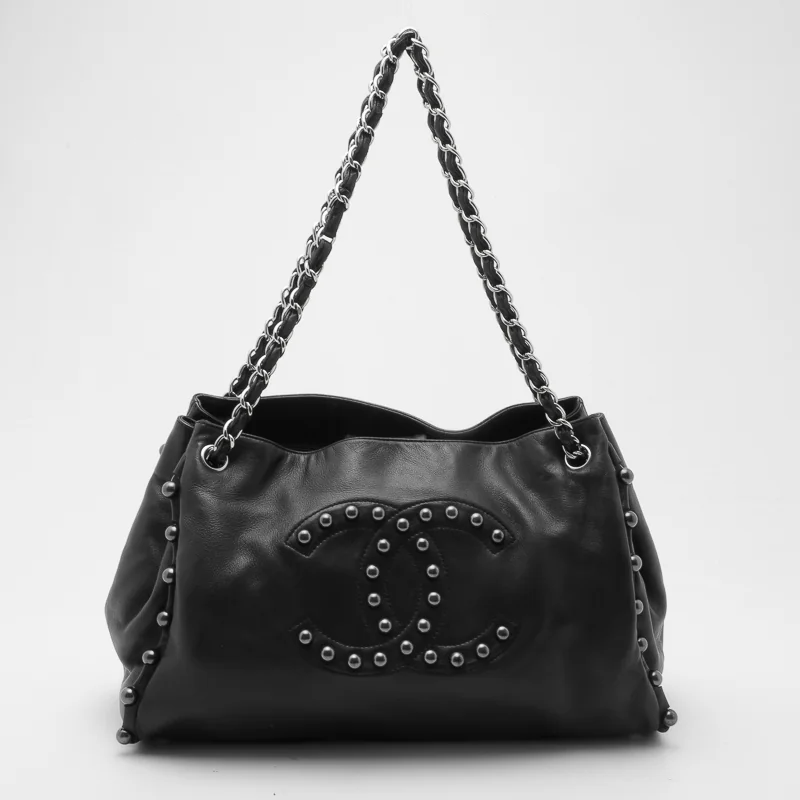
The Chanel Black Pearls Obsession Bag is the material-driven example. It’s a tote, not a flap, which already sets it apart from most Chanel collectibles that skew toward the 2.55 silhouette. The design pairs Chanel’s signature black leather with a scattering of pearls across the body and an exclusive decorative charm, giving it an edgy, almost jewelry-like presence rather than the polished ladylike look Chanel is known for. What makes it work is restraint — the pearls read as embellishment, not costume. Very few of these were produced, and the ones that do surface tend to command attention immediately because the silhouette photographs so differently from anything currently in Chanel’s regular lineup.
The Chanel Limited Edition Karl Lagerfeld Sketches Classic Flap is the more historically significant of the two. Instead of an added material, this flap carries Lagerfeld’s own sketches printed across the bag, turning the Classic Flap — Chanel’s most reproduced and recognizable design — into a canvas for the creative director’s personal hand. That’s the tension that makes it compelling: it’s simultaneously the most familiar shape in the Chanel catalog and one of the least familiar executions of it. For collectors specifically hunting a limited edition Chanel bag with genuine design provenance rather than just a rare colorway, this is the stronger acquisition of the two.
The honest caveat with both: Chanel doesn’t always document limited runs with the same paper trail rigor as, say, Hermès. Authentication and provenance research take longer, and you’ll want a specialist appraiser, not just a boutique receipt, before you commit real money.
Artist Collaborations: Louis Vuitton x Richard Prince and Kenzo’s Pagodon Tote#
Some of the most interesting limited editions aren’t about rare materials at all — they’re about what happens when a fashion house hands its most iconic silhouette to an outside creative voice.
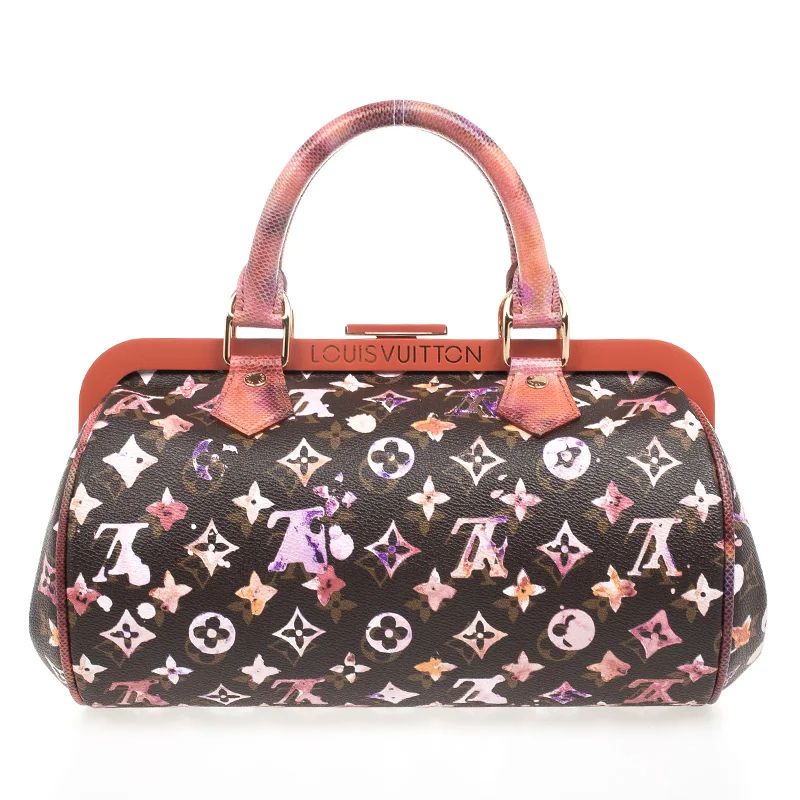
The Louis Vuitton Limited Edition Richard Prince Watercolor Papillon is the clearest example of this in the LV archive. It debuted on the Spring/Summer 2008 runway, part of a collaboration inspired by Richard Prince’s Nurse Paintings, and the execution is genuinely clever: the classic Monogram canvas isn’t replaced, it’s brushed over with watercolor paint, so the familiar LV print still shows through underneath the artistic layer. It’s a bag that rewards a closer look rather than shouting for attention from across a room, which is part of why it’s held its cachet with collectors long after the collaboration ended. The tradeoff is practicality — the hand-applied watercolor finish is more delicate than untreated canvas, and moisture or heavy handling will affect it in ways a standard Monogram bag simply wouldn’t have to worry about.
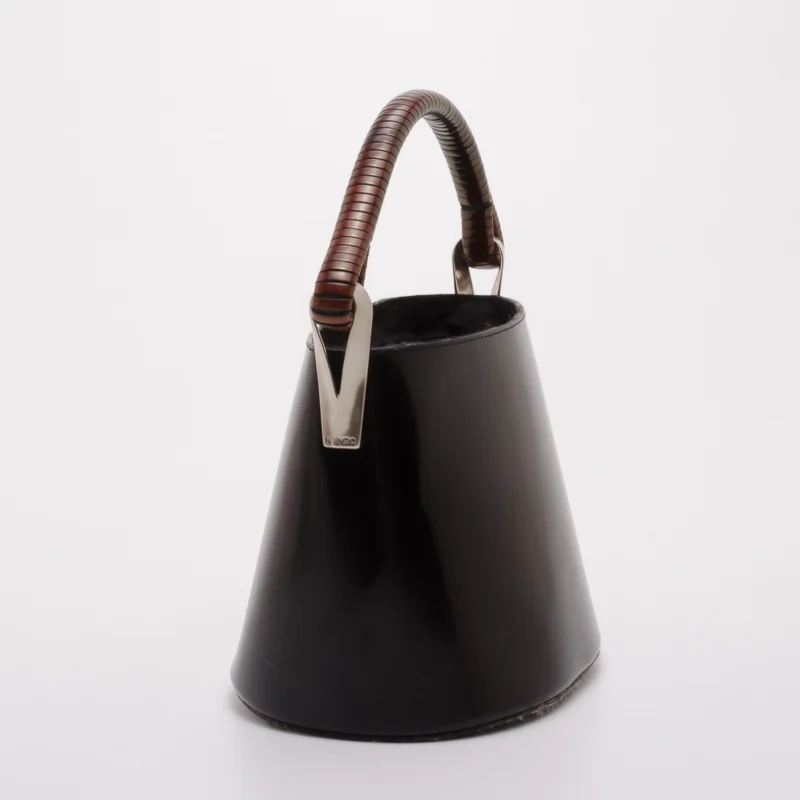
The Kenzo Pagodon Tote, first introduced in 1998, is a different kind of story: this isn’t a headline collaboration, it’s an archival deep cut, and that’s exactly its appeal. Drawing on Southeast Asian and Japanese design references, the Pagodon is a compact bucket-style bag with a rounded silhouette and a leather bond handle, and it manages to feel both traditional and modern at once rather than dated. It’s genuinely hard to find today, largely because Kenzo bags from this era simply weren’t chased the way Chanel or LV pieces were at the time, so far fewer survived in wearable condition. For collectors interested in rare [designer handbags](/brands/top-tory-burch-handbags/) with real cultural specificity rather than just a recognizable logo, the Pagodon is worth tracking down, though be prepared for a longer, more patient search with fewer resale listings to compare against.
Hermès Vinyl Kelly: Reinventing an Icon#
If there’s one bag on this list that proves a design house can take its most sacred silhouette and genuinely reinvent it, it’s the Hermès Limited Edition Vinyl Kelly. Produced in very limited quantities in 1998 to mark Hermès’ 160th anniversary — and tied to a celebratory exhibition at the newly opened Hermès store in Japan — the bag swaps the Kelly’s usual leather for a bright orange vinyl printed with the phrase “Un voyage au pays des merveilles” (“a trip to wonderland”).
What makes this piece stand out within the Kelly lineage specifically is how far it strays from the house’s own conventions. Hermès built its reputation on leather craftsmanship, so choosing vinyl for one of its most storied silhouettes was a genuine departure, almost playful in a way the brand rarely allows itself to be. That novelty is exactly why it’s remained so desirable among collectors decades later.
It’s also worth being clear-eyed about the material choice: vinyl doesn’t age the way Hermès leather does. Original pieces from 1998 can show cracking, stiffening, or discoloration depending on storage conditions, and that directly affects both usability and resale value. If you’re chasing this bag, condition assessment matters more here than with almost any other piece on this list.
What Makes a Limited Edition Bag Worth Buying#
Rarity alone isn’t a reason to buy. I’ve seen plenty of limited edition pieces that were genuinely scarce and still weren’t good investments, because scarcity was the only thing they had going for them. Before you commit to a rare designer handbag, run it through a few criteria:
- Craftsmanship, not just novelty. A limited run built on a genuinely strong base silhouette (like the Kelly or the Classic Flap) tends to hold up better than a one-off shape created purely for a marketing moment. Novelty fades; construction quality doesn’t.
- Provenance and paperwork. For anything produced before the early 2000s, original receipts, dust bags, boxes, or documented sale history matter enormously. Missing paperwork doesn’t make a bag fake, but it does make it harder to sell later and easier to question now.
- Condition relative to material. Vinyl, exotic skins, hand-painted finishes, and embellished leather all age differently. Ask specifically how a given material has held up over time, not just how the bag looks in current photos.
- Third-party authentication. For anything limited edition, especially pieces without a current retail equivalent to compare against, use an independent authentication service in addition to the seller’s word. Boutique receipts help, but they’re not proof on their own for older or resold pieces.
- Documented backstory. A collaboration or anniversary piece with clear, verifiable context (runway appearance, exhibition tie-in, designer credit) will always be easier to authenticate and sell than a vaguely described “rare vintage” bag with no traceable history.
If a piece is missing more than one of these, it might still be a beautiful bag. It’s just a riskier collectible.
Resale Value and Investment Potential#
Here’s the part sellers won’t tell you plainly: limited edition status improves a bag’s ceiling, not its guaranteed floor. A well-documented, well-preserved piece from a house with strong resale infrastructure — Chanel, Hermès, Louis Vuitton — genuinely can outperform a standard seasonal bag over time, sometimes significantly. The Hermès Vinyl Kelly and the Richard Prince Papillon are good examples of pieces that have appreciated specifically because the story behind them is well documented and easy to verify.
But limited doesn’t automatically mean liquid. A bag like the Kenzo Pagodon, however genuinely rare, has a much smaller pool of buyers actively searching for it compared to a Chanel flap, which means it can take considerably longer to sell even at a fair price. Niche collaborations and archival pieces from smaller or less consistently collected houses can sit for months, or sell at a discount to their perceived rarity, simply because demand hasn’t caught up with scarcity.
My honest recommendation: if you’re buying primarily for investment, prioritize houses with deep, established resale markets and pieces with strong documentation, and treat anything else as a passion purchase first. Limited edition designer bags can absolutely be smart acquisitions, but “limited” and “guaranteed appreciation” are not the same claim, no matter how a seller frames it.
FAQ: Buying Limited Edition Designer Bags#
Where should I look for limited edition designer bags? Start with reputable resale platforms and consignment houses that specialize in [[luxury handbags](/brands/fendi-baguette-review-worth-buying-2024/)](/brands/kelly-vs-birkin-hermes-bags-compared/), along with auction houses for higher-profile pieces like the Karl Lagerfeld Sketches Flap or the Richard Prince Papillon. Boutique waitlists rarely apply once a limited run has sold out, so the secondary market is usually your only route.
How do I authenticate a rare or discontinued piece? Use an independent authentication service in addition to any documentation the seller provides. For older limited editions especially, original receipts and boxes help, but they shouldn’t be your only verification, since paperwork can be separated from a bag or, in rarer cases, misrepresented.
Are limited edition bags always a good investment? No. Rarity helps, but resale value depends just as much on the house’s overall market strength, the bag’s condition, and how well-documented its history is. Some limited editions appreciate meaningfully; others hold steady or even lag behind a brand’s core bestsellers.
Do limited edition bags cost more to insure or maintain? Often, yes. Unconventional materials like vinyl, painted canvas, or embellished leather can require specialized cleaning and more careful storage than standard leather, and insurers may ask for a current appraisal given the difficulty of sourcing a replacement.
Should I buy a limited edition bag to actually carry, or only to store? That depends on the material and the piece’s rarity. Sturdier leather-based limited editions, like the Karl Lagerfeld Sketches Flap, can generally handle occasional wear. More delicate pieces, like the Vinyl Kelly or the hand-painted Papillon, are better treated as display or occasional-use pieces if you want to preserve resale condition.
Related Articles#
- Top ‘It’ Bags Worth Buying in 2024: Investment Guide
- Best Time to Buy a Luxury Handbag: Save More in 2025
- Classic and Chic Handbags: Timeless Style Icons
- Why the Chanel Crossbody Bag Never Goes Out of Style
- 5 Rare, Unique Chanel Bags Worth Collecting Now
Related guides
- Online Bag Authentication: What Photos Can and Cannot Prove
- Fake Goyard Bag Guide: How to Spot Real vs Fake (2026)
- How to Spot a Fake Chanel Flap Bag: Authentication Guide
- How to Spot a Fake Hermès Birkin: Expert Checklist
- How to Buy an Authentic Luxury Bag from China Safely
- New vs Pre-Owned Luxury Bags: Which Route Is Right for You?
- Chanel Bag Guide: What to Know Before You Buy
- Luxury Bag Houses


Keyword index