Introduction#
Most fashion trends arrive with fanfare and disappear just as quickly. Hemlines shift, color palettes rotate, and silhouettes that dominated one season feel dated the next. But a handful of handbags have quietly ignored all of that noise for decades. They sit in the same glass cases, carry the same waiting lists, and command the same reverence whether the year is 1985 or 2026.
That staying power is not accidental. The most classic and chic handbags share a specific set of qualities: a design that solves a real problem elegantly, materials built to outlast trends, and a heritage story strong enough to justify the price tag across generations. They also happen to be some of the strongest-performing alternative assets in the luxury market right now.
This guide breaks down the iconic handbags that consistently top investment rankings in 2026 — what makes each one worth considering, what the resale data actually says, and who should (and should not) spend the money. Whether you are building a collection from scratch or adding one considered piece to your wardrobe, this is where to start.
Product Overview#
The bags covered in this guide span a wide price range, from the accessible end of designer luxury to pieces that cost more than most cars. What they share is documented demand, recognizable design DNA, and decades of market history to back up their investment credentials.
| Bag | Retail Price (2026) | Resale Range | Investment Rating |
|---|---|---|---|
| Hermès Birkin 25 | ~$13,500 | $28,000–$250,000+ | ★★★★★ |
| Chanel 2.55 | ~$8,800+ | $6,500–$80,000 | ★★★★☆ |
| Louis Vuitton Speedy | ~$1,100–$1,500 | $600–$1,100 | ★★★☆☆ |
| Fendi Baguette | ~$2,500–$4,000 | $1,500–$5,000+ | ★★★☆☆ |
A note on resale figures: ranges this wide reflect the enormous difference between standard and exotic leather versions, vintage condition grades, and limited-edition status. The floor and ceiling of each range tell very different stories, and understanding that distinction matters before you buy.
Design#
The design language of these bags is worth studying closely, because it explains precisely why they have survived decades of changing taste.
Hermès Birkin: Structured Restraint#
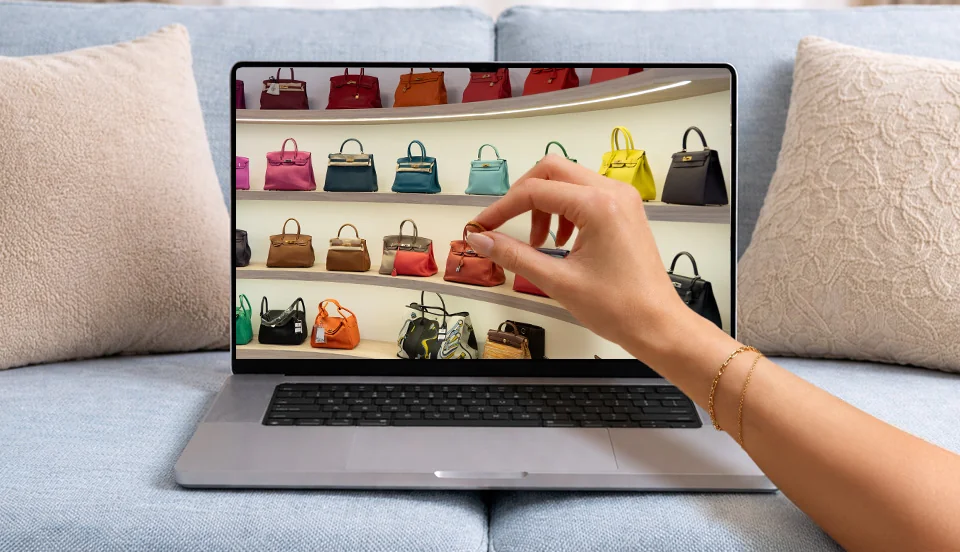 The Hermès Birkin — structured silhouette, hand-stitched saddle seams, and turn-lock closure that has not changed since 1984.
The Birkin’s origin story is well-documented: a chance encounter on a flight in 1984 between actress Jane Birkin and Hermès CEO Jean-Louis Dumas led to a collaborative redesign of an existing travel bag. What came out of that conversation was a structured, top-handle tote with a flap closure, signature turn-lock hardware, and proportions calculated to feel substantial without being cumbersome.
What is less often discussed is how deliberately conservative that design is. Hermès has made no meaningful structural changes to the Birkin in over 40 years. The hand-stitched saddle seams, the clochette key holder, the single flat pocket beneath the flap — all of it remains exactly as it was at launch. In an industry that monetizes novelty, that restraint is either stubborn or genius. The resale market suggests the latter.
Chanel 2.55: Function Disguised as Fashion#
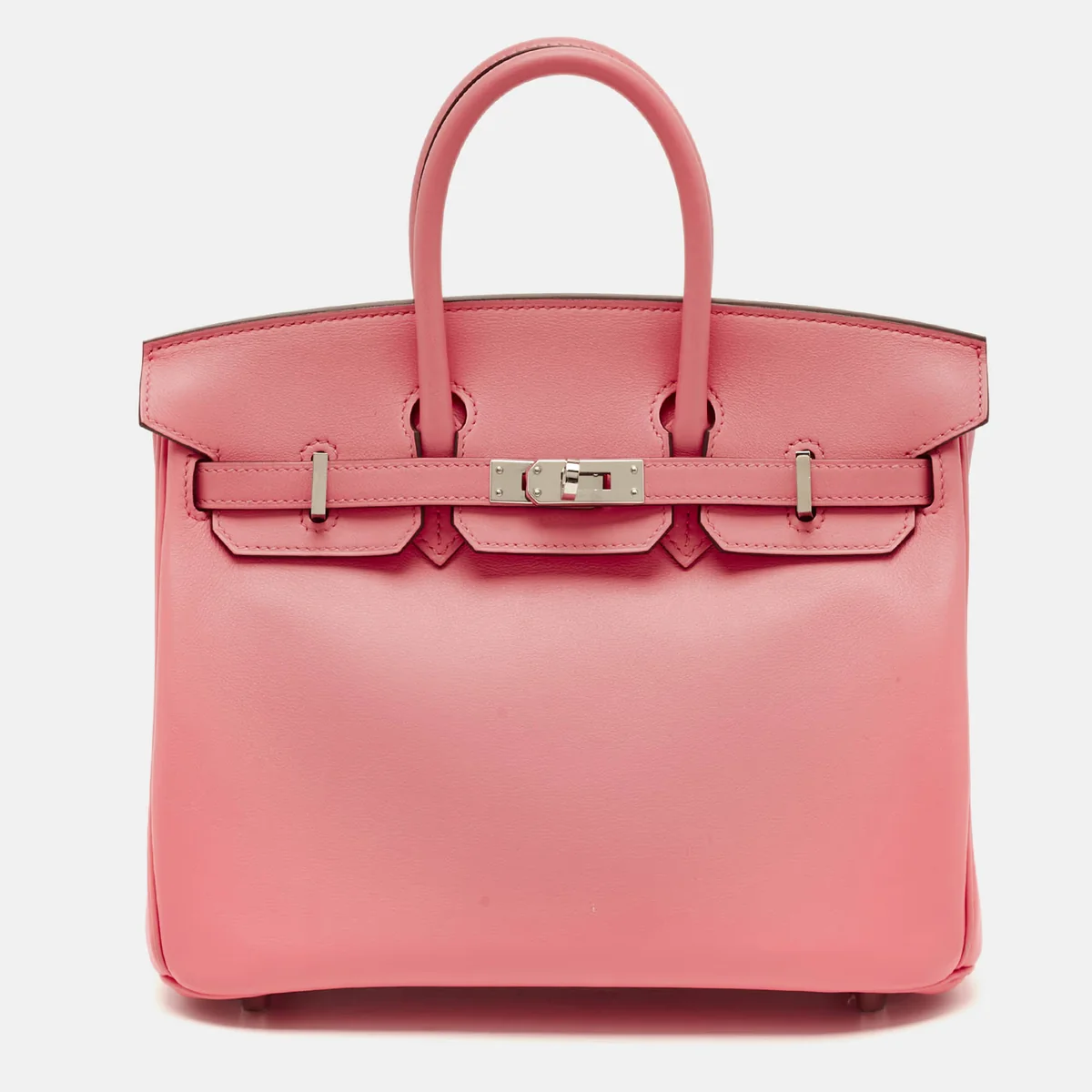 The Chanel 2.55 reissue — burgundy grosgrain lining, Mademoiselle lock, and the original February 1955 design.
Gabrielle Chanel introduced the 2.55 in February 1955 — the name is simply the date — and it solved a problem that sounds trivial until you think about it: women had nowhere to put their hands. Clutches required constant attention. The 2.55’s double chain strap, woven through leather loops, freed both hands completely. It was a practical innovation dressed in quilted lambskin.
The design details reward close inspection. The interior burgundy grosgrain lining was Chanel’s nod to the uniform she wore at the orphanage where she was raised. The back slip pocket was intended for personal letters. The Mademoiselle lock — named because Coco never married — distinguishes the original 2.55 reissue from the Classic Flap, which uses the interlocking CC clasp introduced later by Karl Lagerfeld. These are not marketing footnotes; they are the details that determine which version you are buying and, consequently, what it may be worth.
Louis Vuitton Speedy: Democratic Luxury#
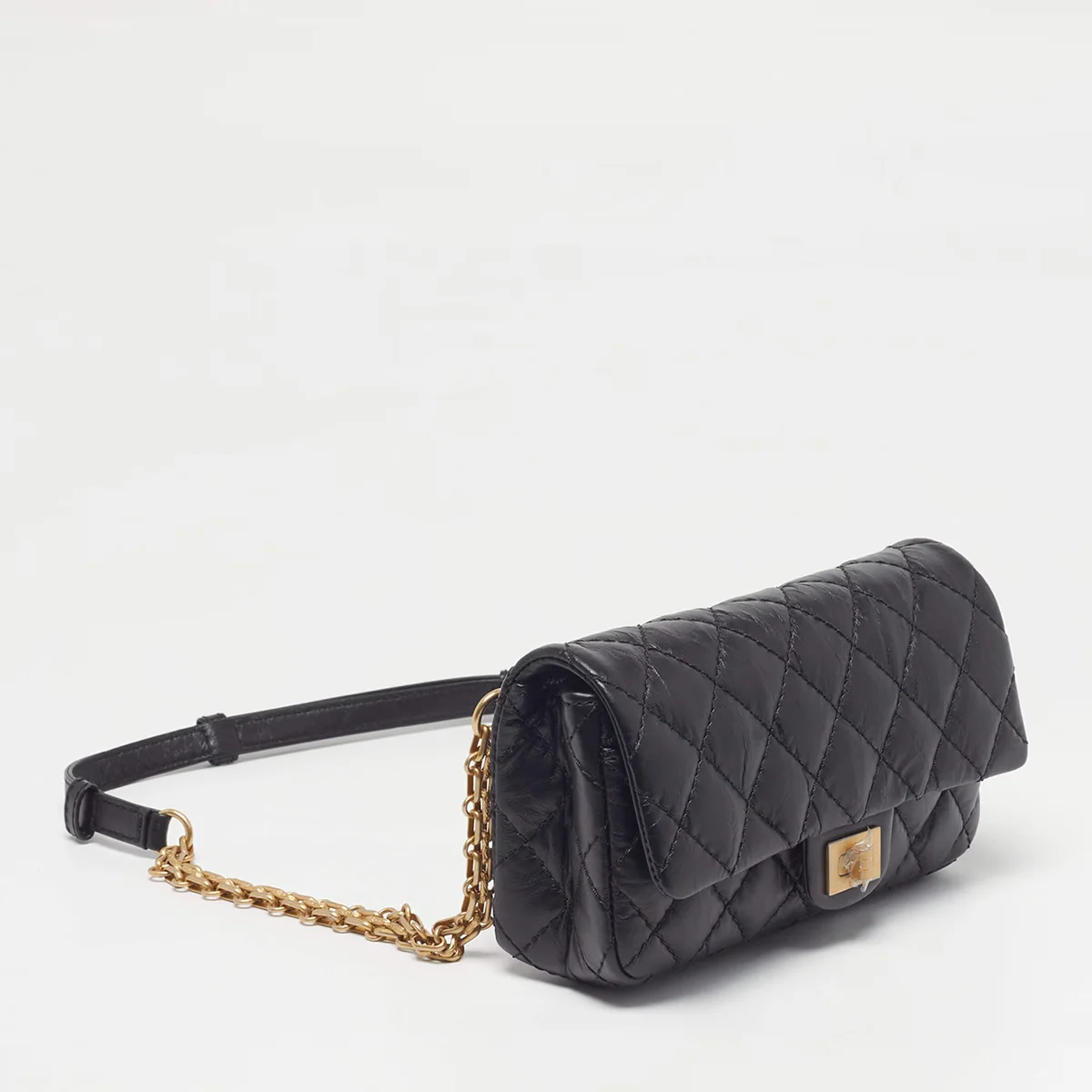 The Louis Vuitton Speedy 30 in classic monogram canvas — one of the most recognizable silhouettes in fashion history.
The Speedy began life in the 1930s as a scaled-down version of Louis Vuitton’s famous Keepall travel bag, designed for city use rather than long-haul travel. It became a cultural moment in the 1960s when Audrey Hepburn requested a smaller version — what became the Speedy 20 — and was photographed with it repeatedly. That association with effortless Parisian style defined the bag’s identity for the next six decades.
The design is deliberately uncomplicated: a barrel-shaped body, dual top handles, brass hardware, and the instantly recognizable monogram canvas. It does not attempt to be avant-garde. That accessibility is both its greatest strength and the reason it sits lower on the investment scale than the Birkin or 2.55.
Fendi Baguette: The Original “It” Bag#
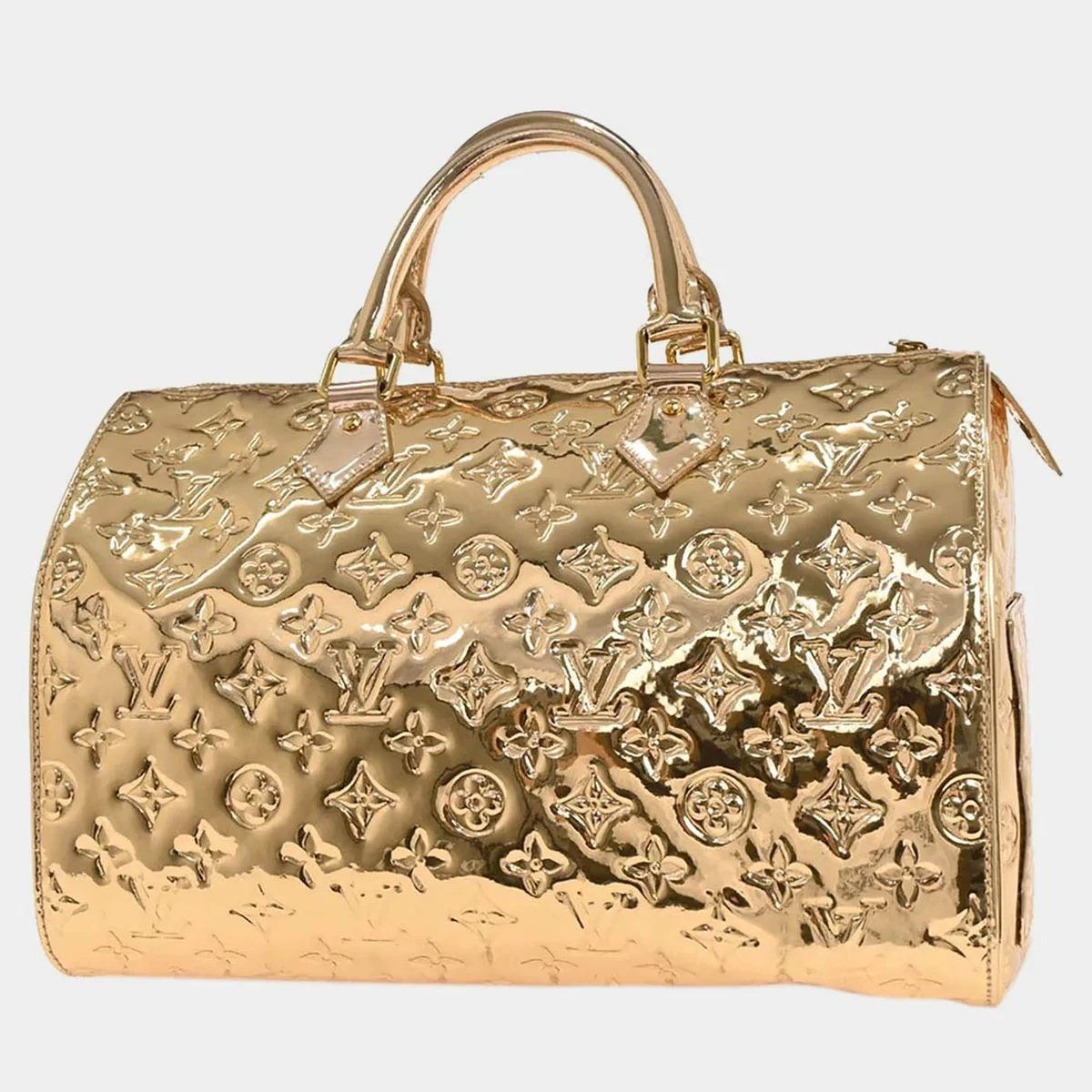 The Fendi Baguette — compact under-arm silhouette and FF clasp that launched the “It” bag era in 1997.
Silvia Venturini Fendi designed the Baguette in 1997, and the timing was fortunate. Sex and the City aired its first season the following year, and Carrie Bradshaw’s relationship with the bag — “It’s not a bag, it’s a Baguette” — embedded it permanently in popular culture. The compact, under-the-arm shape with its single short strap was a deliberate departure from the structured top-handle bags that dominated the mid-’90s.
What keeps the Baguette relevant is Fendi’s ongoing reinvention strategy. The house releases new versions in embroidered silk, beaded fabric, patent leather, and seasonal prints, each carrying the same silhouette but updated enough to feel current. The design sits at an interesting intersection: recognizably nostalgic and continuously refreshed at the same time.
Materials#
Material quality is not a luxury marketing point — it is the primary driver of long-term value in this category.
Hermès uses Togo, Epsom, Clemence, and box calf leathers for standard Birkins, each with different grain, stiffness, and scratch resistance. Exotic versions in crocodile Niloticus, Himalayan crocodile, or ostrich command exponentially higher prices and are what push resale values past six figures. Every bag is assembled by a single artisan over approximately 18 to 48 hours, with no assembly-line production. The saddle stitching is done by hand using two needles simultaneously — a technique that prevents unraveling if a single thread breaks.
Chanel primarily uses lambskin and caviar leather for the 2.55 reissue. Lambskin is softer and more susceptible to scratching; caviar is pebbled and more durable. From a purely practical standpoint, caviar is easier to maintain. From a collector’s standpoint, well-preserved lambskin commands a premium. The quilting on genuine 2.55 bags follows a consistent diamond pattern with precisely uniform rows — a useful authentication reference.
Louis Vuitton’s monogram canvas is coated canvas, not leather, which explains the Speedy’s comparatively accessible price point. It is highly durable and water-resistant, but it does not carry the same material prestige as full-grain leather. The Speedy is also available in Epi leather and Damier Azur, which tend to hold resale value slightly better.
Fendi uses a range of materials across Baguette versions, from the casual nylon that originally made the bag affordable to jacquard, beaded mesh, and full-grain leather. Material choice significantly affects both retail price and resale trajectory, with limited-edition fabric versions often outperforming standard leather on the secondary market due to collector demand.
Pros and Cons#
Hermès Birkin#
Pros
- Unmatched resale performance — standard leather versions routinely sell at 2x retail; exotic versions far beyond that
- Handcrafted construction using the most durable leathers available
- No meaningful design changes in 40+ years, which eliminates the risk of the bag looking dated
- Recognized globally as a status symbol, which sustains demand independently of fashion cycles
Cons
- Retail access requires an existing purchase history with Hermès — you cannot simply walk in and buy one
- Entry price of ~$13,500 for a standard Birkin 25 is prohibitive for most buyers
- Requires professional conditioning and careful storage; exotic leathers are especially high-maintenance
- Counterfeit market is aggressive, making authentication essential for any secondhand purchase
Chanel 2.55#
Pros
- Chanel has increased retail prices by over 50% in recent years, which has broadly lifted resale floors
- Genuine historical significance — one of the most influential bag designs in fashion history
- Versatile enough to work for both formal and casual settings
- Reissue vs. Classic Flap distinction creates collector interest that benefits both versions
Cons
- Lambskin versions scratch and scuff easily with daily use
- Retail price has climbed to a point where entry-level options are limited
- The CC logo makes authentication complex without professional verification
- Resale values vary significantly by hardware color, condition, and era of production
Louis Vuitton Speedy#
Pros
- Most accessible price point in this group (~$1,100–$1,500 retail)
- Coated canvas is exceptionally durable and easy to clean
- Widely available new and secondhand, making it easy to buy and sell
- Strong brand recognition means it carries visual weight beyond its price
Cons
- Resale typically trades below retail for standard versions
- Monogram canvas is so widely replicated that authenticity perception can be an issue
- Does not carry the same investment upside as higher-tier pieces
- The lack of a structured base means it can sag with heavy loads
Fendi Baguette#
Pros
- Compact size works exceptionally well for evening and daytime use
- Fendi’s continuous reinvention keeps the bag culturally visible
- Limited editions and collaboration pieces have strong secondary market performance
- Relatively accessible entry price compared to Birkin or 2.55
Cons
- Investment performance is less consistent than Birkin or Chanel
- Trend-sensitivity is higher — nostalgia cycles can work for or against resale value
- Standard versions may not appreciate meaningfully
- Smaller capacity limits everyday practicality
Who Should Buy#
The Hermès Birkin is for buyers who treat handbags as a serious asset class. If you are approaching this the way you would approach purchasing a piece of fine art or a rare watch — with authentication resources, proper storage, and a long-term horizon — the Birkin has the data to support that framing. It is also for buyers who want to wear what they own daily; despite its price, the Birkin is a working bag, not a display piece.
The Chanel 2.55 suits someone building a considered wardrobe of fewer, better pieces. It is genuinely versatile across settings, carries one of the most compelling origin stories in fashion, and has demonstrated consistent value appreciation. If you are going to own one Chanel piece, the 2.55 reissue (not the Classic Flap — they are different bags) is the one with the deeper heritage argument.
The Louis Vuitton Speedy is the right starting point for someone entering the designer bag market for the first time. It offers real brand equity, excellent durability, and a forgiving resale market. Do not buy it expecting the Birkin’s investment profile; buy it because it is a well-made, universally recognized bag at an honest price point for the category.
The Fendi Baguette works best for a buyer who already owns functional everyday bags and wants something with personality and cultural history. It is not a primary investment piece, but a limited-edition version bought thoughtfully and stored carefully can appreciate — particularly if Fendi releases a high-profile collaboration that renews interest in the silhouette.
Alternatives#
If the bags above are out of reach on price, or if you want to explore adjacent options before committing, these alternatives carry genuine merit.
Bottega Veneta Jodie — The woven intrecciato leather and understated branding have made Bottega one of the most discussed investment brands of the last five years. The Jodie’s soft, knotted silhouette is distinctive without relying on visible logos, which appeals to a specific kind of luxury buyer. Retail ranges from approximately $2,800 to $4,500.
Celine Box Bag — Originally designed by Phoebe Philo, the Box bag has a devoted following and strong resale performance for pre-Philo-era pieces in particular. It is structured, minimalist, and ages beautifully in box calf leather. Current retail sits around $3,000–$4,500.
Loewe Puzzle Bag — A more recent addition to the “investment consideration” conversation, the Puzzle’s geometric folded leather construction is genuinely original. It photographs well, carries comfortably, and Loewe’s profile has risen considerably since Jonathan Anderson took creative direction. Retail from approximately $2,750.
Saint Laurent Le 5 à 7 — For buyers interested in the under-arm silhouette of the Baguette at a slightly different price point, the Le 5 à 7 offers clean lines, quality leather, and strong brand recognition. Retail approximately $1,850–$2,200.
Pre-owned Hermès Kelly — If the Birkin is out of reach new, a pre-owned Kelly in good condition can offer similar brand equity and comparable investment characteristics at a potentially lower entry point, depending on size and leather. The Kelly also has a longer history than the Birkin, dating to the 1930s.
FAQ#
Are luxury handbags actually good investments? The short answer is: some are, most are not. The Hermès Birkin is the only bag with data consistently showing returns that rival or exceed traditional financial assets. The Chanel 2.55 has demonstrated strong value retention with upside, particularly for classic colorways in good condition. Below that tier, most designer bags depreciate off retail and should be bought for enjoyment first, with any resale value treated as a bonus rather than a guaranteed return.
How do I authenticate a secondhand Birkin or Chanel? Do not rely on seller photos alone. For any Hermès purchase above a few thousand dollars, use a professional authentication service — Entrupy, Real Authentication, and Bababebi are among the established options. For Chanel, examine the hologram sticker (introduced in 1984 and updated periodically), the quilting consistency, and the hardware engraving. A reputable consignment platform will have already authenticated the piece, but independent verification is worth the cost on high-value purchases.
What size Birkin should I buy as an investment? The Birkin 25 and Birkin 30 are the most liquid sizes on the resale market. The 25 commands a premium for its compact proportions; the 30 is considered the most practical everyday size. The Birkin 35 and 40 are harder to sell quickly and tend to fetch lower multiples of retail. Exotic leather versions in any size will always outperform standard leather in absolute terms, though they require more careful sourcing and authentication.
Does the color of a Chanel 2.55 affect its resale value? Significantly. Black with gold hardware is the benchmark — it is the most liquid, most universally wearable, and typically the easiest to sell. Classic neutrals like beige, navy, and white also perform well. Seasonal colors and unusual hardware combinations may appeal to specific collectors but can be harder to move quickly. If investment is a primary consideration, classic colorways are lower risk.
Is the Fendi Baguette still worth buying in 2026? For pure investment, it is not in the same category as the Birkin or 2.55. But as a piece with genuine cultural history and ongoing brand support, it is a reasonable purchase if you love the silhouette. Limited editions and collaboration pieces are where the real secondary market interest lies — standard leather versions in common colors are unlikely to appreciate meaningfully.
What is the difference between the Chanel 2.55 reissue and the Classic Flap? They are different bags. The 2.55 reissue is based on Coco Chanel’s original 1955 design and features the Mademoiselle lock, burgundy grosgrain lining, and dark silver chain. The Classic Flap was redesigned by Karl Lagerfeld in 1983 and features the interlocking CC turn-lock clasp and a gold or silver chain interwoven with leather. Both are valuable, but collectors generally treat them as separate pieces with distinct histories.
Final Thoughts#
The case for investing in classic and chic handbags in 2026 is straightforward when you approach it with realistic expectations. The Hermès Birkin remains the clearest argument for handbags as genuine financial assets — its production constraints, handcraft standards, and global demand are structural advantages that are essentially impossible to replicate. The Chanel 2.55 is the strongest choice for someone who wants both daily wearability and documented appreciation potential.
Below that tier, the Louis Vuitton Speedy and Fendi Baguette are excellent bags to own and wear, but they are better understood as quality purchases than as investment vehicles. Buy them because you will use them and because the design holds meaning for you — not because you expect them to outperform the stock market.
The most consistent advice across every level of this market: buy in the best condition you can afford, authenticate everything secondhand, stick to classic colorways and standard sizes for liquidity, and think in terms of years rather than months. The bags on this list have earned their reputations over decades. The buyers who treat them with the same patience tend to do the best.
Related Articles#
- Best Time to Buy a Luxury Handbag: Insider Tips
- Hermès Birkin Prices 2025: Where to Buy for Less
- Luxury Resale Condition Grades: Fair to Pristine Guide
Related guides
- Online Bag Authentication: What Photos Can and Cannot Prove
- Fake Goyard Bag Guide: How to Spot Real vs Fake (2026)
- How to Spot a Fake Chanel Flap Bag: Authentication Guide
- How to Spot a Fake Hermès Birkin: Expert Checklist
- How to Buy an Authentic Luxury Bag from China Safely
- New vs Pre-Owned Luxury Bags: Which Route Is Right for You?
- Chanel Bag Guide: What to Know Before You Buy
- Luxury Bag Houses


Keyword index