Introduction#
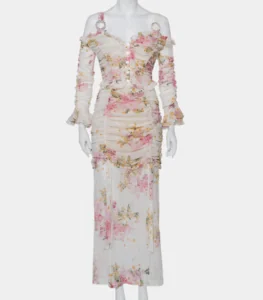
A white dress is the one piece I never let a client cut from her closet, no matter how minimal she’s trying to go. It’s not flashy, it’s not trend-dependent, and it photographs better than almost anything else in your wardrobe. What makes it tricky is also what makes it useful: white shows everything, from the cut of a seam to the shape of a shoe, which means styling it well matters more than styling any other color.
This guide walks through how to style a white dress across the moments that actually call for one, from a birthday dinner to a wedding-guest invite you’re slightly nervous about. I’ll cover fit advice for different body types, honest notes on what doesn’t work as well as people think it does, and climate adjustments for humid summers, cold receptions, and everything between. Thirteen looks, one dress color, zero interest in telling you white only belongs at weddings.
Celebratory & Milestone Looks#
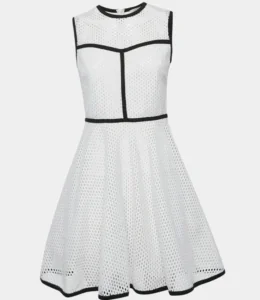
1. Birthday dinner. A white dress with texture, whether that’s a subtle sequin, a ruched bodice, or satin with a bit of sheen, earns its place at a birthday table. Strappy metallic heels and a small crystal-embellished clutch do the heavy lifting; you don’t need much else. Gold hoops read more festive than studs here. My honest take: skip head-to-toe sequins unless the venue is dim. Under bright restaurant lighting, heavy sparkle can look costume-y rather than celebratory.
2. Graduation. This is a moment where the dress should read composed, not party-ready. Lace or eyelet cotton in white keeps things soft, and nude block heels are the practical choice, since you’re likely standing, walking across a stage, or posing for an hour of family photos. Pearl studs and a soft blowout finish the look. Save the stilettos for the after-party.
3. Prom or a formal school event. Satin slips and tulle skirts both work, but fit is everything at this age and this occasion, since a dress that’s slightly too big will show in every photo. Rhinestone heels, a beaded mini bag, and diamond-drop earrings (real or convincing costume) round it out. If the venue has grass or gravel outside for photos, block heels save a lot of sinking-in-the-lawn moments.
Everyday & Casual White Dress Styling#
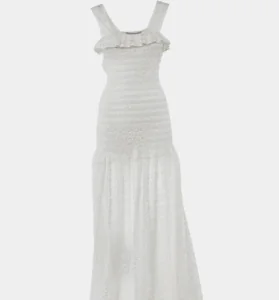
4. Daytime errands or a casual lunch. A simple white cotton or linen dress with sneakers and a crossbody bag is the easiest version of this color to wear well. Oversized sunglasses do more styling work than people give them credit for. In humid climates, stick to lightweight cotton or linen blends; white polyester clings and shows sweat marks fast, which nobody needs to learn the hard way twice.
5. Brunch. Slightly more considered than a daytime errand look: a tiered or ruffled white dress, espadrille wedges, and delicate layered gold necklaces. A woven tote instead of a crossbody signals “brunch” rather than “grocery run.” Tinted lip balm over a full matte lip keeps things relaxed.
6. Vacation or resort wear. This is where fabric choice really separates a good look from a wrinkled, wilted one. Crinkled cotton, linen, or a lightweight rayon blend handles heat and packing far better than silk, which creases the moment it’s folded. Flat sandals or espadrilles, a straw bag, and minimal jewelry (humidity plus metal jewelry is a recipe for green-tinged skin by day three). In cooler coastal climates, a lightweight cardigan or linen shirt tied at the waist covers the evening chill without hiding the dress.
Work & Smart-Casual White Dress Looks#
7. Office-appropriate white dress. A structured white shirt dress or a sheath in a slightly heavier cotton or crepe reads professional rather than bridal, which is the main risk with white at work. A tailored blazer in navy, black, or camel breaks up the white and adds authority. A thin leather belt at the waist, pointed-toe flats or low heels, and structured gold jewelry (think a signet ring or a chain-link bracelet rather than anything delicate) complete it. One honest caveat: avoid anything sheer or clingy for the office, since white fabric is the least forgiving when it comes to visibility under office lighting.
8. Smart-casual dinner or client event. Take the same white dress up a notch with a statement belt, a structured handbag, and heeled ankle boots or block heels depending on season. A blazer draped rather than worn (over the shoulders, sleeves empty) adds polish without looking stiff. This is a good look for a work happy hour or a semi-formal networking event where full evening wear would be overdressed.
Evening & Formal White Dress Styling#
9. Gala or upscale dinner. A white gown, whether column, draped, or off-the-shoulder, calls for statement jewelry, and this is one of the few times I’d say go bigger than feels comfortable. Chandelier earrings or a cuff bracelet, metallic strappy heels, and a structured clutch. Keep makeup slightly more defined, a stronger brow or a deeper lip, since all-white plus soft makeup can wash you out under evening lighting.
10. Cocktail party. A shorter, fitted white dress with one strong accessory moment, a bold cocktail ring or an architectural earring, works better than layering several statement pieces. Heeled sandals rather than pumps keep it from feeling too corporate. If the venue is outdoors or the season is cooler, a tailored trench in black or camel thrown over the shoulders reads elegant rather than like you forgot a jacket.
Bridal & Wedding-Related White Dress Moments#
11. Bridal shower (as the bride). This is one of the few times a white dress on someone other than the bride at a wedding isn’t the topic, since it’s expected. A flowy white midi with floral or eyelet detail, wedge sandals, and soft waves feels appropriately celebratory without competing with your actual wedding dress.
12. Engagement party or engagement photos. A white dress here works well if it’s simple and lets the ring and the moment stand out rather than the outfit. A flowing white maxi with minimal jewelry, natural makeup, and sandals or low heels photographs beautifully in outdoor light.
13. Wedding guest. Here’s where I’ll be direct: an all-white dress as a wedding guest is still, in most cases, a etiquette risk, even with the “not the bride” trend making rounds. If you want to wear white as a guest, go for a print, a colored trim, or a fabric with visible pattern or texture so there’s no ambiguity from across the room. A fully solid white column dress, even a beautiful one, can still read as trying to share the spotlight, and I’ve watched that assumption ruin an otherwise lovely outfit’s reception.
Styling by Body Type: Fit & Frame Tips#
White has zero tolerance for fit issues, so getting the silhouette right matters more here than with any other color.
Petite frames generally do best in fit-and-flare or A-line cuts that define the waist and avoid overwhelming a smaller frame with excess fabric. Higher hemlines or a leg slit help elongate. Avoid drop-waist or heavily tiered maxi dresses, which can shorten the look further.
Taller frames have more room to play with column silhouettes, midi lengths, and belted waists that create horizontal breaks in an otherwise long line. Maxi dresses with a defined waist avoid the “one long column” effect that can happen with unstructured styles.
Curvy frames are flattered by wrap details, ruching at the waist and hips, and bodycon or fit-and-flare cuts that follow the body’s natural shape rather than fighting it. Structured fabrics with a bit of stretch (cotton-spandex blends, ponte knits) hold shape better than flowy chiffon, which can read as shapeless on a curvier frame.
Athletic or straight frames benefit from details that add curve and softness: puff sleeves, tiered ruffles, sweetheart necklines, or a cinched waist. Structured bustlines or corset-style bodices also help create shape where a straight-cut white dress might otherwise look boxy.
Across all frames, the one universal note: white shows every seam pucker and every ill-fitting dart, so buy for your actual measurements rather than sizing down for aspiration. A tailor taking in the waist or shortening a hem on a white dress is a small cost that solves most of the fit complaints I hear.
Accessorizing and Climate-Smart Styling Tips#
A few rules that hold across almost every white dress outfit idea in this guide:
- Metals: gold reads warmer and more celebratory; silver or platinum reads cooler and more formal. Match the metal to the mood of the event rather than defaulting to one.
- One statement piece, not three. White is already the visual focus; overloading it with a bold necklace, big earrings, and a stacked bracelet competes rather than complements.
- Shoes set the formality level faster than the dress itself. Sneakers, sandals, block heels, and stilettos can take the same white dress from casual to formal without changing anything else.
For climate, fabric is the real decision point. In humid or tropical settings, cotton, linen, and lightweight rayon breathe and resist clinging; silk and heavier satin trap heat and wrinkle within an hour. In cooler climates, layering matters more than fabric weight alone, a tailored blazer, a wool coat, or a cashmere wrap in a contrasting color keeps a white dress wearable through fall and winter events rather than confining it to summer. In more conservative or modest-dress settings, opt for higher necklines, longer sleeves, or a light layering piece rather than assuming the dress needs to be swapped out entirely.
Frequently Asked Questions#
Is a white dress appropriate for a wedding guest? Solid white is generally best avoided as a wedding guest, even with looser modern etiquette. Choose a white dress with print, color trim, or visible texture if you want to wear white without risking comparison to the bride.
How do I keep a white dress from looking see-through? Check fabric opacity in daylight before buying, not just under store lighting, and consider a nude slip underneath for lighter cottons and linens. Structured or double-layered fabrics are more forgiving than a single sheer layer.
What’s the most versatile white dress to own? A midi-length shirt dress or a simple sheath in cotton or crepe adapts best across occasions, since it can go from office to dinner with just a change of shoes and jewelry.
Can white dresses work in winter? Yes, with the right layering. A wool coat, tights, ankle boots, and a contrasting scarf or blazer make a white dress season-appropriate rather than out of place.
Does a white dress wash out pale or fair skin? It can, particularly with soft, undefined makeup. A slightly stronger brow, a deeper lip, or bronzer helps create contrast rather than letting the dress flatten your features.
Related Articles#
- How to Style a Long Dress in Winter: Layering Guide
- Grey Outfit Ideas for Winter: Styling Tips That Work
- Party Season Bags: 4 Silhouettes You Actually Need
- How to Style an Hermès Bag for Any Occasion
Related guides
- Online Bag Authentication: What Photos Can and Cannot Prove
- Fake Goyard Bag Guide: How to Spot Real vs Fake (2026)
- How to Spot a Fake Chanel Flap Bag: Authentication Guide
- How to Spot a Fake Hermès Birkin: Expert Checklist
- How to Buy an Authentic Luxury Bag from China Safely
- New vs Pre-Owned Luxury Bags: Which Route Is Right for You?
- Chanel Bag Guide: What to Know Before You Buy
- Luxury Bag Houses


Keyword index