Introduction#
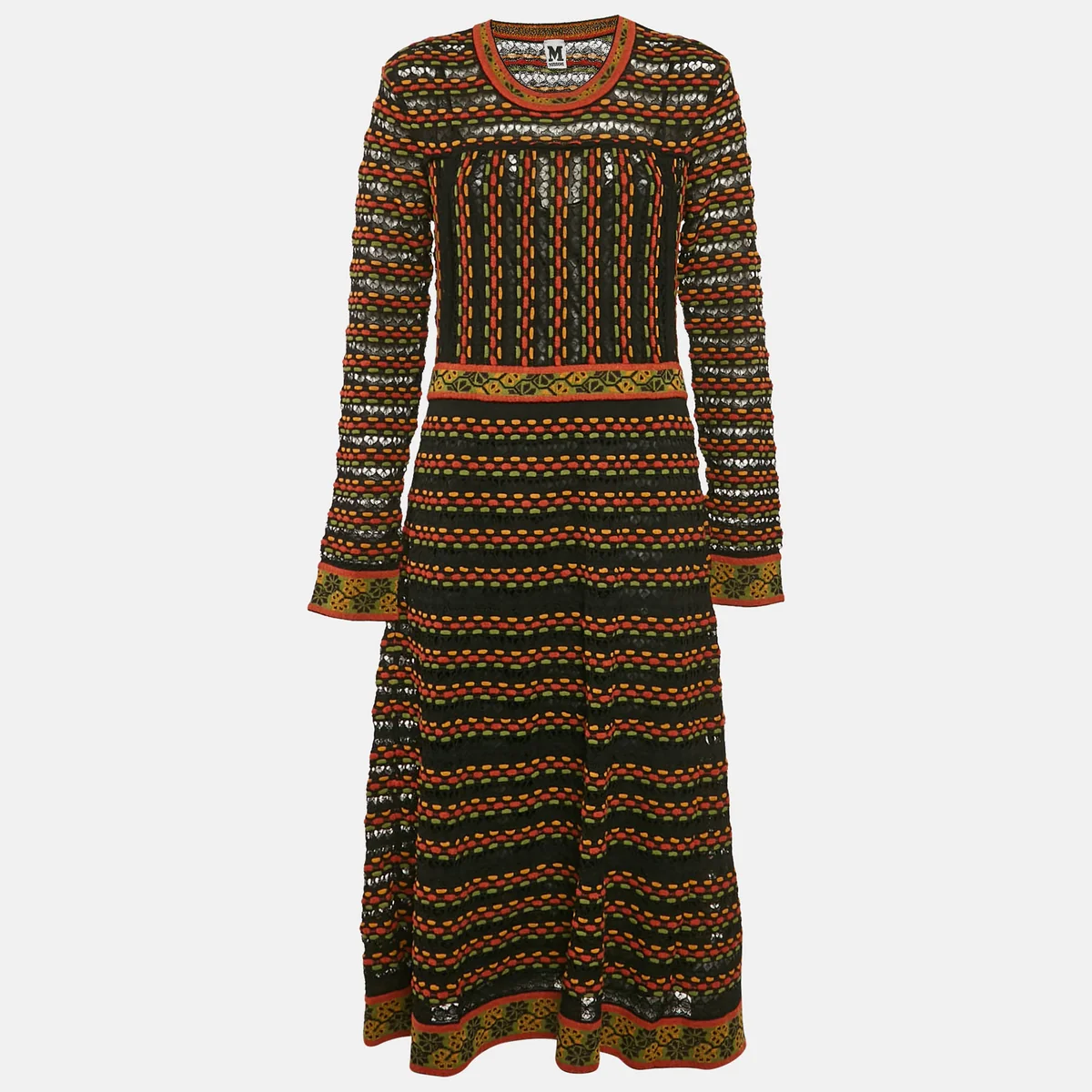
Long dresses get quietly benched every winter, and it’s a shame. The moment temperatures drop, most closets pivot hard into trousers, tailored coats and chunky knitwear, leaving the maxi dress folded at the bottom of a drawer until March. I get the instinct. A floor-length dress reads as “warm-weather piece” to most people, something for garden parties and August evenings, not January.
But that instinct is wrong, and I’ve spent enough winters testing this theory (sometimes shivering through it) to say so with confidence. A long dress, styled correctly, is one of the most flattering and versatile things you can wear between November and February. It elongates the frame in a season that tends to add bulk everywhere, it photographs beautifully against wool coats and leather boots, and it solves the eternal “what goes with what” problem of separates by giving you one clean base to build on.
The catch is that “styled correctly” part. A slip dress on its own in December is a mistake, not a fashion statement. This guide walks through exactly how to make a long dress winter-proof: the fabrics that actually hold heat, the outerwear that gives it structure, the footwear that keeps the silhouette intact, and the accessories that do double duty as both function and finish. By the end, you’ll have a real system for how to style a long dress in winter, not just a mood board.
Start With the Right Fabrics#
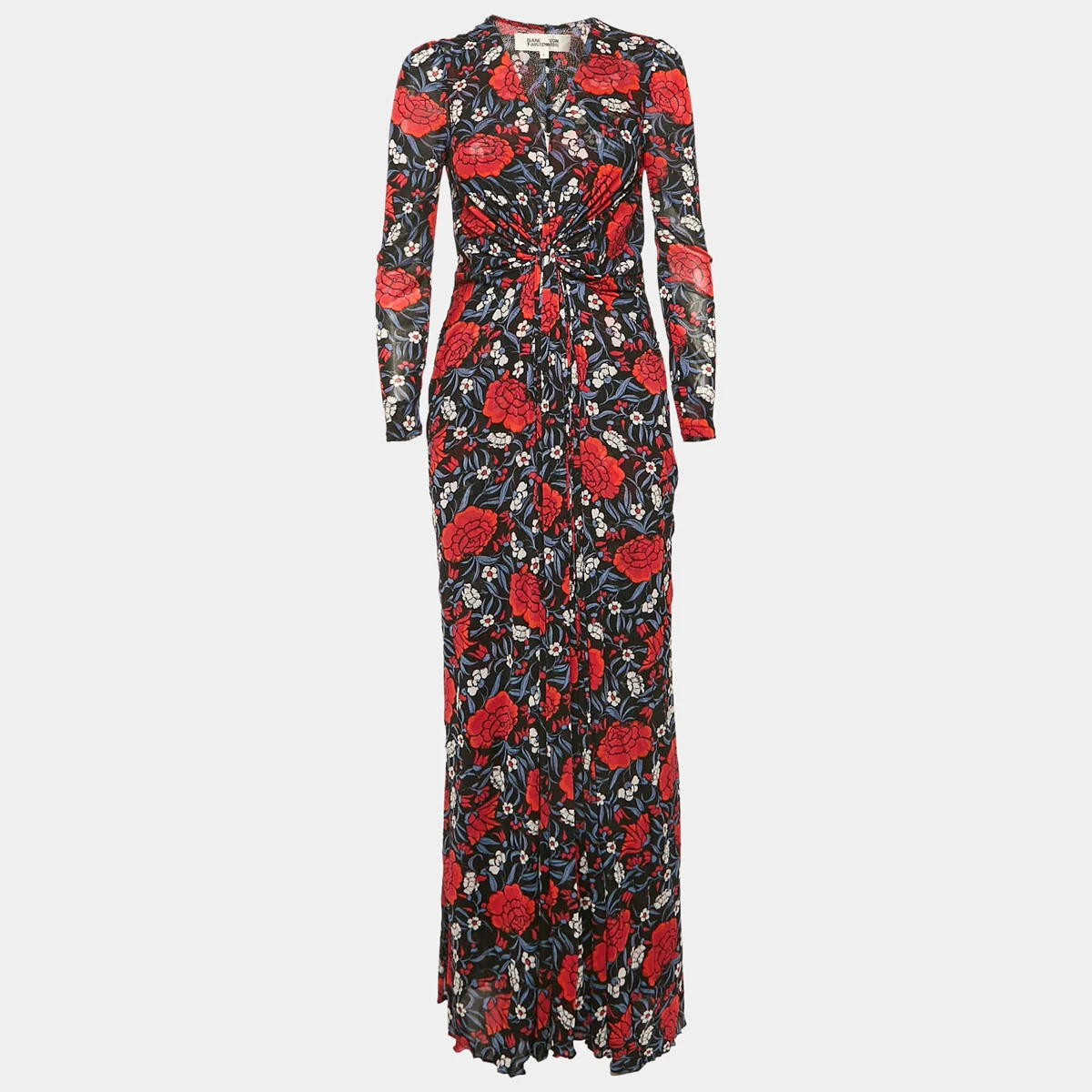
Everything else in this guide is layering strategy, but fabric is the foundation, and no amount of clever styling saves a dress that was never built for cold weather. If the fabric is thin, you’re not styling a winter outfit, you’re negotiating with hypothermia.
Here’s what actually performs when temperatures drop:
- Knits and sweater dresses – These are the easiest win in your closet. They hold their shape, trap warmth, and don’t need much help to look finished. A ribbed or cable knit maxi is basically a coat and dress in one.
- Wool blends – Structured, warm, and forgiving. Wool holds a silhouette in a way that jersey can’t, which matters when you’re adding heavy outerwear on top.
- Velvet – This is your evening fabric. It has weight, it photographs beautifully under low light, and it reads expensive even when it isn’t. Velvet is also more forgiving of a slightly looser fit, which helps once you start layering tights and thermals underneath.
- Heavy satin – Reserve this for dressier, shorter-exposure occasions (dinner, an event, a car-to-venue kind of night). Satin drapes well but doesn’t insulate much, so it needs serious backup from outerwear.
- Ribbed cotton or heavier jersey – Underrated for daytime. It’s stretchy enough to layer under, structured enough to hold a shape, and machine-washable, which matters more than fashion editors like to admit.
Chiffon and lightweight silk can still make an appearance, but only if you treat them as the base layer of a full outfit rather than the outfit itself. Thick opaque tights, a proper long coat, and a real scarf turn a summer fabric into a legitimate winter dress outfit. Skip any of those three and you’re just cold and slightly resentful.
One honest note: heavier fabrics like wool and velvet do add bulk under a fitted coat. If you’re choosing a dress to wear under a slim-cut trench or tailored blazer, size the dress a touch closer to the body, or you’ll fight the silhouette all day.
Layer Like You Mean It: Coats, Jackets and Outerwear#
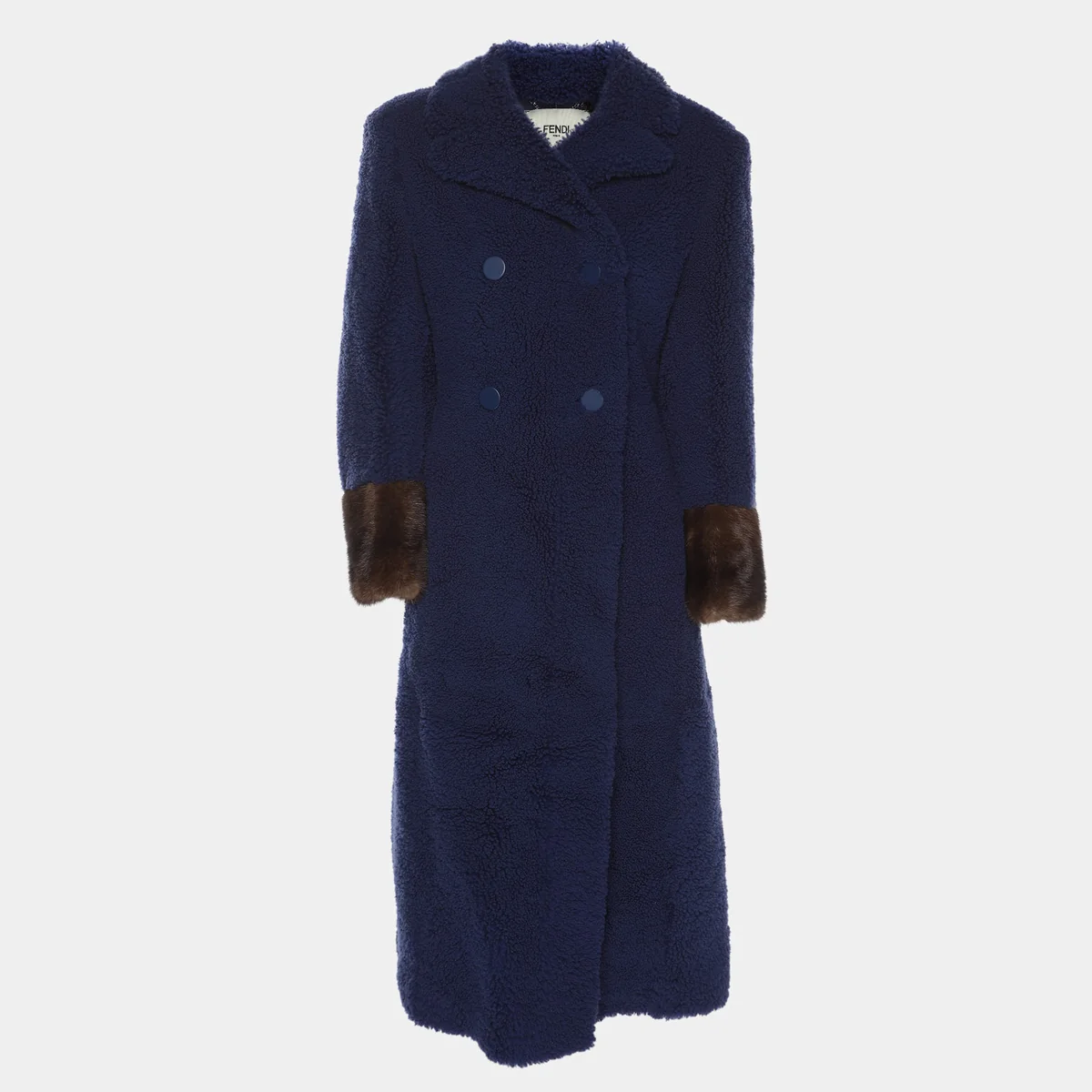
This is where most long-dress winter outfits succeed or fail. A dress on its own is an outfit for a warm restaurant. A dress under the right outerwear is a full winter look with intention behind it.
Structured long coats are the most reliable pairing, especially over flowy or A-line maxis. The coat gives the outfit a defined shoulder line and stops the dress from reading as loose or shapeless underneath. Belt it at the waist if the coat allows, since that one move does more for your silhouette than almost anything else on this list.
Fur or shearling jackets, real or faux, work brilliantly as a shorter, more dramatic layer, particularly over fitted or bodycon maxi dresses. The contrast between a sleek dress and a textured, voluminous jacket is genuinely one of my favorite winter pairings. It also solves the “too much fabric” problem that comes with pairing a long coat over an already-long dress.
Cropped jackets and blazers are the move for A-line and sweater dresses where you want to show off the waist. A cropped leather or tweed jacket over a fitted knit dress reads polished without any extra effort.
A few things worth knowing before you commit:
- Fur and shearling jackets add serious visual weight up top. If your dress already has volume (a flouncy A-line, a heavily textured knit), a cropped fitted jacket balances better than another bulky piece.
- Long coats over long dresses can visually shorten you if the coat and dress are similar lengths and similar tones. Break it up with a belt, contrasting boots, or a coat that hits at a different point than the dress hem.
- Wool coats are warmer than most people assume and don’t need to be layered over a heavy dress fabric. If your coat is doing real insulating work, you can actually get away with a lighter dress underneath, which helps with bulk.
Footwear That Works: Boots and Winter Shoes#
Footwear is doing more than keeping your feet warm here. It’s the anchor that finishes the silhouette a long dress creates, and it changes the entire mood of the outfit.
Knee-high and over-the-knee boots are the most natural pairing for maxi dresses, and for good reason. They block the wind at the exact point a long dress leaves skin exposed, and they add height and a clean vertical line, which is exactly what you want when a dress hem is already sweeping the floor.
Ankle boots work better with dresses that have a slit or a slightly shorter, tea-length cut. Without a slit, ankle boots under a full-length hem tend to disappear, and you lose the visual payoff entirely, so save them for dresses that actually show some leg or ankle.
Heeled boots maintain the elongating effect a long dress is built for. Flat boots are perfectly practical (and often the smarter choice for actual daily wear, let’s be honest about weather and sidewalks), but they do shorten the line slightly. Neither is wrong, it depends on whether you’re optimizing for comfort or silhouette that day.
A practical note from experience: block heels handle ice and slush far better than stilettos, and nobody looks chic doing an emergency grip-walk across a parking lot. If you’re dealing with real winter weather rather than a mild city chill, prioritize a boot with actual tread.
Accessorizing for Warmth and Polish#
This is the layer people skip, and it’s the layer that separates “I threw a coat over a dress” from an outfit that looks considered.
Scarves are non-negotiable in real cold, and they’re also the easiest way to add color or texture to an otherwise monochrome winter look. A chunky knit scarf softens a structured coat; a silk or cashmere scarf tied more precisely adds polish to an evening look. Both work, they just serve different moods.
Gloves matter more than people give them credit for, both functionally and visually. Leather gloves read sharp and slightly formal; knit gloves feel more casual and cozy. Match the glove to the formality of the rest of the outfit rather than treating them as an afterthought grabbed on the way out the door.
Tights are the real workhorse here. Opaque black tights are the default for good reason, they’re warm and they go with almost everything, but don’t underestimate ribbed or textured tights for adding a little visual interest to a plain dress. Fleece-lined tights exist and they are genuinely worth the investment if you live somewhere that takes winter seriously.
Jewelry layering is where a lot of people either overdo it or abandon it entirely under bulky outerwear. My rule: if you’re wearing a heavy coat, keep jewelry minimal and let the coat and boots do the visual work. Once you’re indoors and the coat comes off, that’s when a layered necklace or a stack of rings actually gets to be seen. Long dresses with high necklines can also carry a statement necklace beautifully, since there’s no competing detail at the neck.
Daytime Ease vs. Evening Drama#
The same long dress, the same core formula, but the execution shifts depending on where you’re headed.
For daytime, prioritize ease of movement and warmth over drama. A knit or ribbed cotton maxi, a structured wool coat left open or loosely belted, ankle or low knee-high boots, and a chunky scarf get you through errands, meetings, or a long lunch without constant readjusting. Keep jewelry minimal, keep the coat practical, and don’t be afraid of flats if you’re going to be on your feet most of the day. Daytime winter dressing rewards restraint.
For evening, this is where velvet, satin, and fitted silhouettes get to shine. Swap the wool coat for a fur or shearling jacket, trade ankle boots for heeled knee-high boots or even a sleek pump if you’re indoors most of the night, and let jewelry layer more freely once outerwear comes off. A slit in the dress also earns its place here in a way it doesn’t during a practical daytime look, since you’re not walking blocks in the cold, you’re stepping from a car to a venue.
The honest through-line: the dress rarely needs to change between day and night. The outerwear, footwear, and accessory choices do the heavy lifting of shifting the mood.
Editor’s Picks: Long Dresses Worth Styling This Winter#
If you’re building out (or editing down) a winter wardrobe, here’s where I’d actually spend money, and where I’d think twice.
Knit and sweater maxi dresses are the best investment for cost-per-wear. They’re warm on their own, need minimal styling to look finished, and hold up to repeated wear better than most other fabrics on this list. The downside: a poorly made knit dress loses its shape fast and can pill within a season, so check the knit density and fiber content before buying. Wool or wool-blend knits age far better than acrylic ones.
Wool-blend A-line dresses are the most versatile shape for winter layering, working under both a cropped jacket and a long coat without fighting either silhouette. The tradeoff is that a true wool blend can run warm indoors, especially if you’re already layering tights and a coat over it, so they’re better suited to genuinely cold climates than mild ones.
Velvet dresses are worth owning if your calendar includes actual evening events this season, and they photograph better than almost anything else in low light. Be honest with yourself about how often you’ll actually wear one, though. Velvet is a specific-occasion fabric, not an everyday layering piece, and it shows wear (crushing, shedding) faster than people expect.
Satin maxi dresses are the one category I’d caution against over-investing in for winter specifically. They look gorgeous but offer almost no insulation and rely entirely on outerwear and tights to function in cold weather. If your wardrobe is winter-focused, a satin dress will get less use per dollar than a knit or wool piece will.
Fitted jersey or ribbed cotton maxis are the quiet workhorses. Less exciting to talk about, but they layer under everything, machine-wash well, and rarely go out of style. If you only buy one long dress this winter and want it to earn its keep, this is the safer bet over something more dramatic.
FAQ#
Can I wear a long dress in winter without looking underdressed for the weather? Yes, as long as the fabric and layering do real work. A thin dress with a cute scarf on top isn’t enough. Pair a proper winter fabric (knit, wool, velvet) with tights, boots, and real outerwear, and it reads as intentional cold-weather dressing rather than a summer piece worn out of season.
What’s the biggest mistake people make styling a maxi dress for winter? Treating the dress as the whole outfit instead of the base layer. A long dress in winter needs the same layering logic as jeans and a sweater: base, mid-layer, outerwear, accessories. Skipping tights or wearing an unlined coat over a lightweight dress is the most common miss.
Are boots always better than shoes with a long dress in winter? Not always, but usually more practical. Boots block wind and cold at the ankle and calf, which flats and low shoes don’t. If you’re indoors most of the time (a dinner, an event with a coat check), a heeled shoe works fine. For anything involving actual outdoor walking, boots are the smarter call.
How do I keep a long dress from looking bulky under a big coat? Choose a coat that’s structured rather than overstuffed, and belt it if possible to define a waistline. Also consider the dress fabric: a fitted jersey or ribbed knit dress adds far less bulk under a coat than a thick sweater dress does. If you love a heavier knit dress, pair it with a coat that’s cut a little roomier through the body rather than fighting a slim silhouette.
Can chiffon or silk dresses ever work in real winter cold? Yes, but only as part of a full layering system, not on their own. Thick opaque or fleece-lined tights, a fully lined long coat, and a warm scarf can make a lightweight dress work for short outdoor stretches, like getting from a car to a restaurant. They’re not the right choice for a full day outdoors in genuinely cold weather.
Related Articles#
- Fall Fabric Trends 2024: Velvet, Brocade & Silk Guide
- Grey Outfit Ideas for Winter: Styling Tips That Work
- Best Luxury Sneakers 2026: Complete Buying Guide
- How to Style a Grey Outfit This Season | Guide
- Men’s Summer Fashion Trends 2017: What Actually Works
Related guides
- Online Bag Authentication: What Photos Can and Cannot Prove
- Fake Goyard Bag Guide: How to Spot Real vs Fake (2026)
- How to Spot a Fake Chanel Flap Bag: Authentication Guide
- How to Spot a Fake Hermès Birkin: Expert Checklist
- How to Buy an Authentic Luxury Bag from China Safely
- New vs Pre-Owned Luxury Bags: Which Route Is Right for You?
- Chanel Bag Guide: What to Know Before You Buy
- Luxury Bag Houses


Keyword index