Introduction#
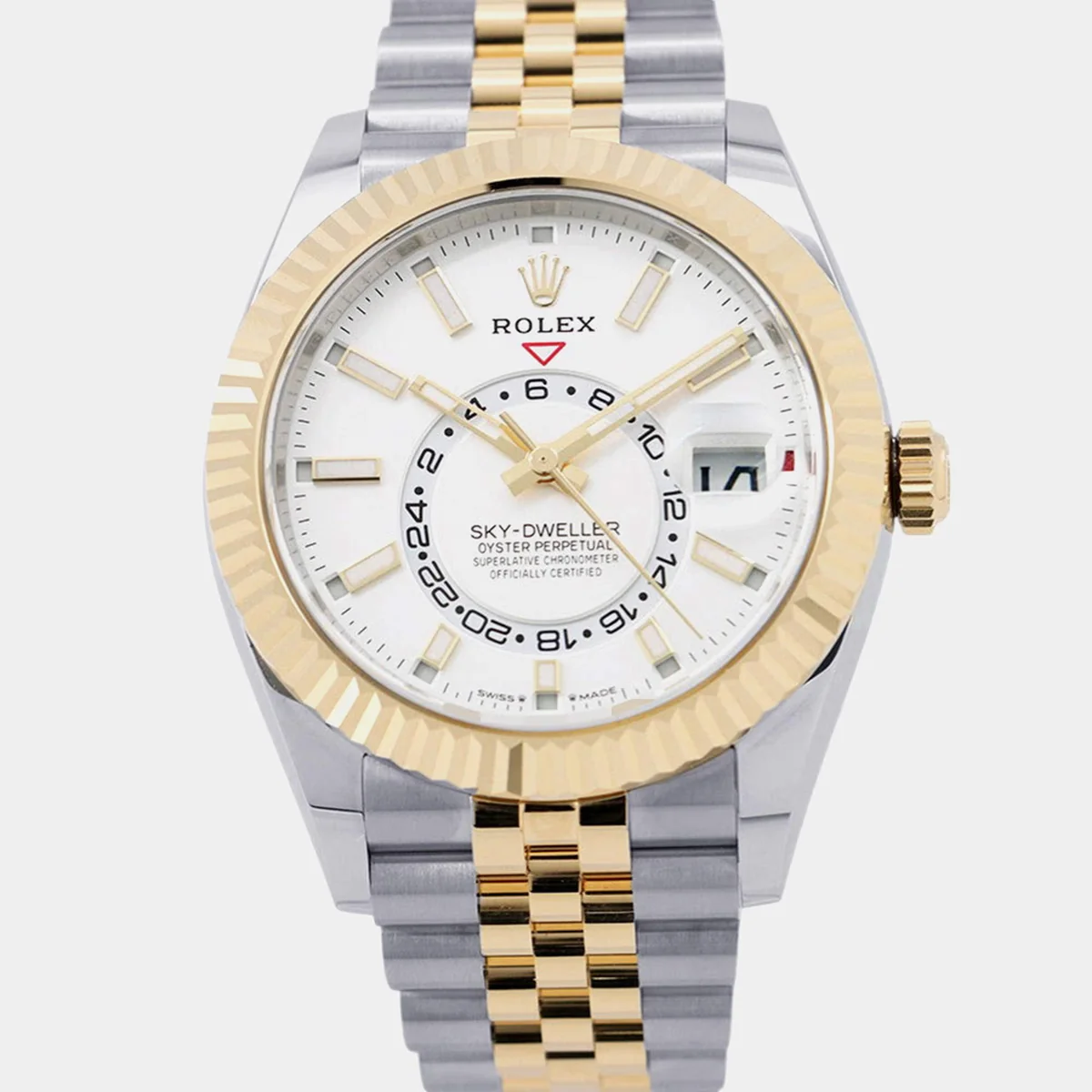
There’s a specific moment most watch people know intimately: standing in front of a boutique window, doing quiet mental math on a Rolex Submariner or a Patek Philippe Aquanaut, and realizing the number doesn’t work — not this year, maybe not next year either.
That moment is exactly where the pre-owned market starts to make sense.
I’ve spent enough time buying, selling, and evaluating watches to say this plainly: certified [[[[pre-owned luxury](/buying-guides/luxury-valentines-day-gifts-pre-owned-guide/)](/buying-guides/designer-beachwear-buying-guide/)](/buying-guides/best-pre-owned-luxury-watch-brands/)](/buying-guides/best-luxury-casualwear-brands-effortless-style-2025/) watches are not a compromise. Done right, they’re often the smarter purchase — same Swiss movement, same heritage, same weight on the wrist, at a price that’s already absorbed the steepest part of depreciation. Done wrong, they’re how people end up with an overpriced fake or a “serviced” watch that was never serviced at all.
This guide walks through what actually matters before you spend five, ten, or fifty thousand dollars on a used watch: how value holds up over time, what “certified pre-owned” is supposed to mean (and where sellers cut corners), how condition grading works, which brands are worth the premium, and where to buy without getting burned.
New vs. Pre-Owned Luxury Watches: Which Is the Smarter Buy?#
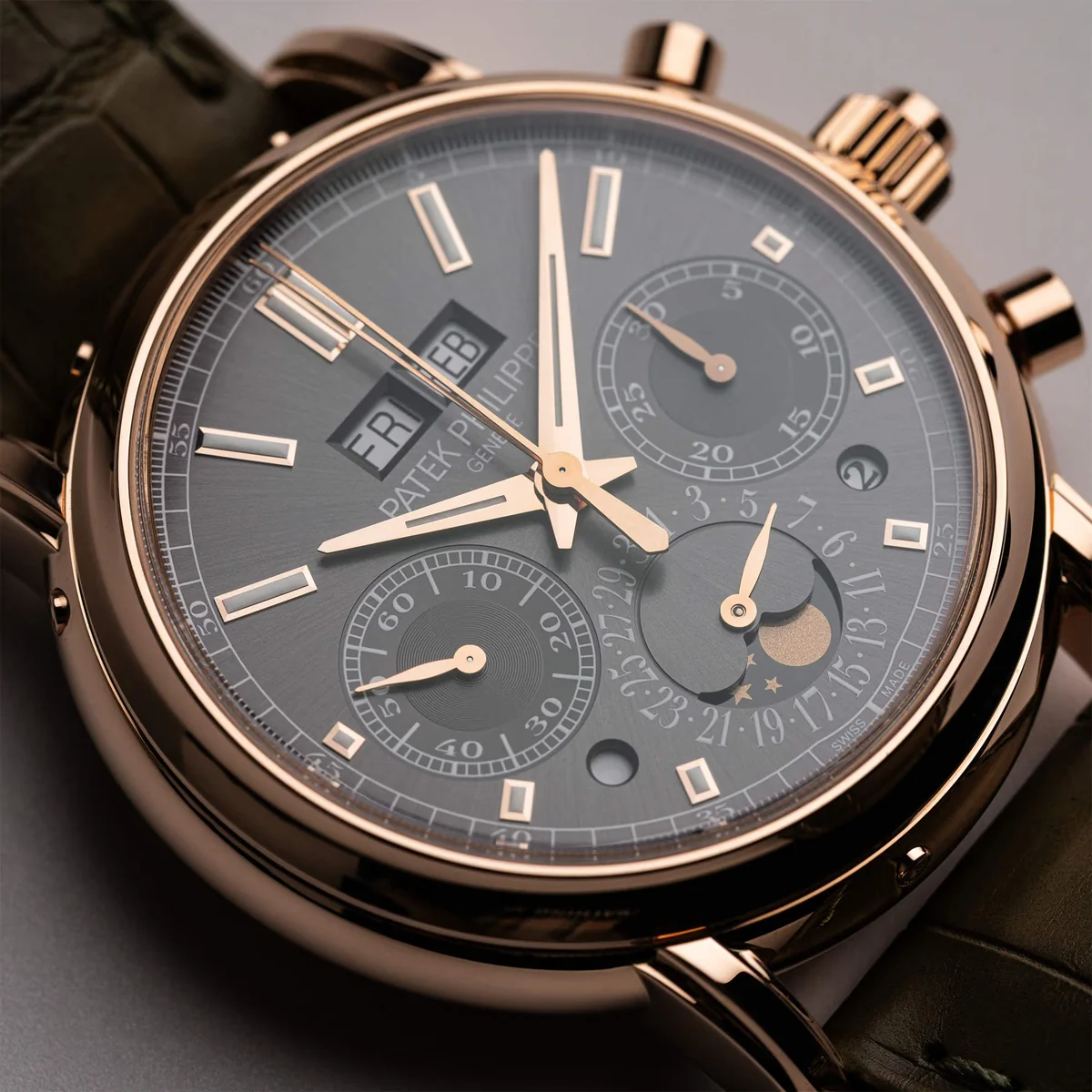
Here’s the uncomfortable truth authorized dealers don’t advertise: walk a brand-new Omega, Cartier, or most Rolex references out of the boutique, and it can lose 20% to 40% of its value almost immediately. That’s not a market failure — it’s just how retail pricing works when a watch isn’t scarce enough to hold a premium.
There’s a real exception, and it matters. A handful of references from Rolex and Patek Philippe — think steel Daytonas, Nautiluses, certain GMT-Masters — are in such short supply relative to demand that they hold value or trade above retail on the secondary market. If you can walk into a boutique and buy one at list price, you’re arguably getting a deal. Most people can’t, which is its own problem entirely (waitlists, allocation politics, “relationship” purchases).
For everything outside that narrow tier, the pattern is consistent:
- Depreciation is steepest in the first year or two
- Prices stabilize once a watch settles into the secondary market
- From that point on, pricing is fairly predictable and tied to condition, completeness, and demand
That stabilization point is where pre-owned buyers step in. Someone else already absorbed the sharpest drop. You’re buying closer to the price floor, which means less downside risk if you ever decide to sell.
Buying new makes sense if: you want the full manufacturer warranty, the unworn/unboxed experience matters to you (gifting, milestones), or you want absolute certainty the movement has never been opened.
Buying pre-owned makes sense if: value retention matters, you want access to discontinued references that boutiques simply don’t carry anymore, or you’re comfortable trading “first owner” bragging rights for real savings — often 20-50% versus retail on comparable pieces.
To put numbers on it, here’s what that gap actually looks like across popular references, based on recent market pricing:
| Watch | New Retail | Typical Pre-Owned Range | Savings vs. New |
|---|---|---|---|
| Rolex Datejust 36mm | ~$8,000–$11,000+ | $5,500–$8,000 | Up to $3,500 |
| Rolex GMT-Master II | ~$13,500–$15,000+ | $11,000–$14,000 | Up to $5,000 |
| Omega Seamaster | ~$8,600–$9,200+ | $3,800–$4,800 | Up to $3,200 |
| TAG Heuer Carrera | ~$3,000–$7,000+ | Under $3,000 | Over $2,500 |
| Cartier Pasha 38mm | ~$6,500–$8,500+ | $5,000–$7,000 | Up to $3,000 |
| Chanel J12 33mm | ~$5,500–$7,000+ | $2,500–$4,000 | Up to $3,500 |
| Bvlgari Serpenti 35mm | ~$7,500–$9,500+ | $4,500–$6,500 | Up to $3,000 |
These aren’t discount-bin watches with compromised parts. It’s the same movement, the same case metal, the same dial — the only thing that changed is who paid for the first year of depreciation.
What ‘Certified Pre-Owned’ Actually Means#
“Certified pre-owned” gets thrown around loosely, and that’s exactly the problem — it means something very specific from a reputable dealer and almost nothing from a private seller slapping the term on a listing.
From a legitimate certified pre-owned (CPO) program, here’s what should actually be happening behind the scenes:
Authentication. A trained watchmaker or gemologist-equivalent specialist physically inspects the case, movement, dial printing, clasp, and serial numbers against manufacturer specifications. This isn’t a visual glance — it involves opening the case back and checking movement finishing, screw patterns, and component stamps that are notoriously hard for counterfeiters to replicate convincingly.
Service verification. A proper CPO watch has either been recently serviced or tested to confirm timekeeping accuracy, power reserve, and water resistance are within acceptable tolerances. If a seller can’t tell you when the watch was last serviced, that’s a gap worth pushing on.
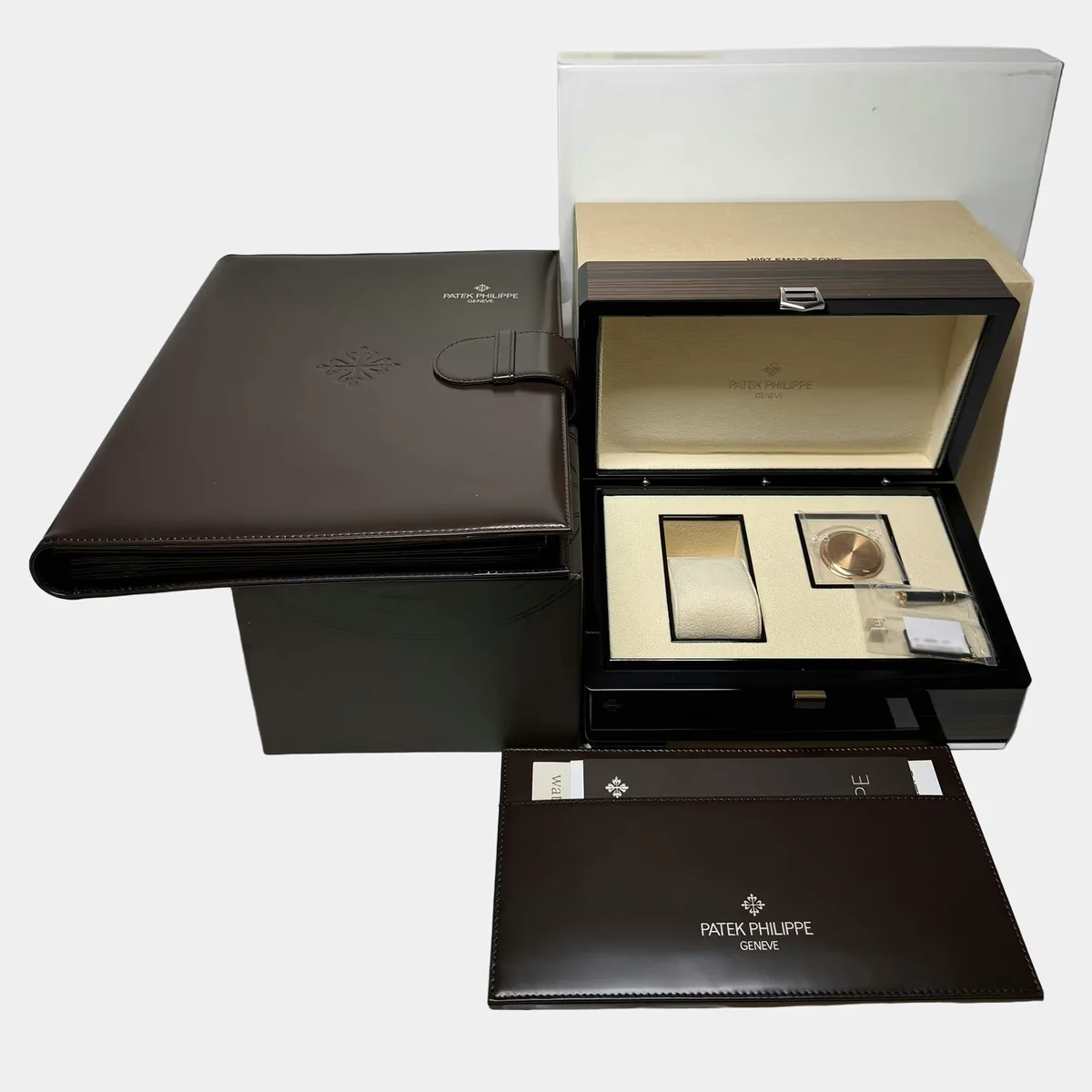
Documentation review. This is where papers, box, and warranty cards get checked for consistency — serial numbers on the papers should match the watch, and the paperwork should be period-correct for the reference.
Warranty. Reputable sellers back CPO watches with their own warranty, typically 1-2 years, separate from and in addition to any remaining manufacturer coverage. Brand-run programs (Rolex Certified Pre-Owned, for instance) can extend the manufacturer’s own warranty directly, which is a meaningfully stronger guarantee than a third-party dealer’s in-house policy.
The honest caveat: certification quality varies enormously between sellers. Some invest in real horological expertise; others hire someone to check a serial number against a database and call it “authenticated.” Ask directly who performs the authentication, whether it’s in-house or outsourced, and what happens if a problem surfaces after purchase. A seller who hesitates on those questions is telling you something.
Grading a Watch’s Condition: What the Terms Really Mean#
Condition grading is where a lot of buyers get quietly overcharged, mostly because grading isn’t standardized across the industry the way, say, diamond grading is. Every dealer uses roughly the same vocabulary, but the bar for “excellent” at one seller might be “good” at another.
Here’s how I’d translate the common terms, and what to actually check yourself:
Mint / Unworn. No wear on the case or bracelet links, box and papers present, often with protective stickers still intact. This should command near-new pricing — if it’s priced like a heavily worn piece, something doesn’t add up.
Excellent. Light, hard-to-spot wear — maybe a few hairline marks on the case back or clasp, but no dents, no case shape distortion, no dial issues. Bracelet links should show minimal stretch.
Good. Visible wear consistent with regular use: light scratches on the case and bracelet, possibly a small ding, but nothing structural. Movement and function should still be flawless even if cosmetics show age.
Fair / Well-worn. Notable case wear, possibly a polished case (which softens original edges — a dealbreaker for some collectors, a non-issue for others), scratches on the crystal, or bracelet stretch requiring a link removal or replacement.
What actually matters more than the label is what you or an inspector check directly:
- Case: Look at the lug edges — sharp, defined edges suggest an unpolished case; rounded, soft edges mean it’s been polished at least once, which affects both value and originality.
- Dial: Check for even color, no water spots, no “ghost” bracelet imprint from the strap, and correct font/logo placement for the production year — mismatched fonts are a red flag for a redialed (and therefore less original) watch.
- Movement: Ask for service history and, if possible, a timing accuracy check. A watch that’s “running fine” isn’t the same as one that’s been properly serviced.
- Papers: Original box and papers add real resale value — often 10-15% — and matter enormously for high-demand references like the Daytona or Nautilus, where a “full set” can be the difference between a quick sale and a watch that sits.
I’ll be blunt: a watch with light wear and honest papers is often a better buy than a “mint” piece with a story that doesn’t quite hold together. Trust what you can verify over what’s printed on a listing.
Which Brands and Models Hold Their Value Best#
Not every luxury watch is an investment, and any dealer telling you otherwise is selling you a story, not a watch. Some brands are genuinely appreciating assets. Most are simply well-made objects that lose value slowly. Knowing which category you’re in changes how you should shop.
Rolex remains the benchmark for value retention, and it’s not close. Steel sports models — Submariner, GMT-Master II, Daytona — routinely hold or exceed retail on the secondary market due to persistent waitlists at boutiques. The Datejust and Day-Date, while not appreciating assets, depreciate slowly and remain highly liquid, meaning you can resell them relatively quickly without a steep discount.
Patek Philippe sits at the top of the investment tier, particularly the Nautilus and Aquanaut. These references can trade well above retail, though that premium comes with real volatility — the Nautilus market corrected sharply in 2022-2023 after speculative highs, a reminder that even “safe” watches can swing.
Omega is the value play, not the appreciation play. A Seamaster or Speedmaster holds a respectable percentage of its value and depreciates gently, but don’t expect above-retail resale. What you’re buying is genuine engineering (Omega’s co-axial escapement and Master Chronometer certification are legitimately excellent) at a price point well below Rolex for comparable quality.
Cartier performs well in the jewelry-watch category — the Tank and Pasha have loyal followings and stable resale — but Cartier’s complicated pieces depreciate more like traditional watches than like Rolex sports models.
Chanel and Bvlgari watches (J12, Serpenti) are strong on design and craftsmanship but weaker on pure investment metrics. Buy them because you love wearing them, not because you expect a return. That’s not a knock — it’s an honest expectation-setting.
My rule of thumb: if resale value is your primary concern, stay in steel sports watches from Rolex, Omega, or Tudor. If you want something more unusual with better odds of a return, look at Patek or vintage Cartier — but go in knowing that market can be less predictable than the mainstream sports-watch segment.
My recommendations by goal and budget:
- Under $5,000, prioritizing resale liquidity: A pre-owned Omega Seamaster or Tudor Black Bay. Both hold value respectably and are easy to sell later.
- $5,000–$15,000, wanting the strongest resale floor: A certified pre-owned Rolex Datejust or GMT-Master II. The GMT in particular has strong ongoing demand.
- $15,000+, chasing appreciation potential: A Patek Philippe Aquanaut or a well-documented vintage Cartier — but only with full papers and a trusted authentication process, since the stakes for getting fooled are higher.
- Buying for the love of the piece, not the investment: Chanel J12 or Bvlgari Serpenti. Buy at a fair pre-owned price and enjoy it — don’t expect it to outperform a Rolex on resale.
Where to Buy Pre-Owned Luxury Watches Safely#
Where you buy matters almost as much as what you buy. The same reference can be a safe purchase or a genuine risk depending entirely on the channel.
Certified pre-owned marketplaces and dealers (think platforms specializing in authenticated luxury goods) are generally the best balance of selection, price, and protection. Reputable ones authenticate in-house, offer their own warranty, and provide return windows. The tradeoff is that pricing sits above private-sale prices — you’re paying for the vetting.
Authorized dealers running brand CPO programs (Rolex Certified Pre-Owned being the most notable) offer the strongest guarantee available on the secondary market, because the manufacturer itself stands behind the watch. Selection is more limited and prices run higher, but for a five-figure purchase, that peace of mind is often worth it.
Auction houses (Christie’s, Sotheby’s, Phillips) are excellent for rare, vintage, or historically significant pieces, and their authentication standards are typically rigorous. Buyer’s premiums (often 20-25% on top of the hammer price) meaningfully affect the real cost, so factor that in before bidding.
Private sellers — forums, classifieds, social media — offer the lowest prices and, correspondingly, the least protection. I don’t think private sales are inherently unsafe, but they demand real due diligence on your part: third-party authentication before payment, in-person inspection when possible, and a healthy skepticism toward “must sell today” urgency, which is a classic pressure tactic in counterfeit and fraud schemes.
If this is your first significant pre-owned purchase, start with a certified dealer or brand CPO program. Save the private-seller savings for after you’ve developed enough hands-on familiarity to spot problems yourself.
Red Flags to Avoid When Buying Used#
A few warning signs have come up often enough in my experience that they’re worth calling out directly:
- Price significantly below market. If a Submariner is listed 30% under every comparable listing, that’s not a deal — it’s a signal something is wrong with the watch, the paperwork, or the seller’s intentions.
- No serial number visible or seller reluctant to provide it. Legitimate sellers photograph and disclose serial numbers readily. Hesitation here is disqualifying.
- Mismatched fonts or logo placement on the dial. This is one of the more common counterfeit tells and also flags redial jobs on genuine watches — either way, it affects value and authenticity.
- “Papers available on request” instead of included. Genuine full-set watches come with papers upfront. Vague promises to “send papers later” are a common scam pattern.
- Pressure to pay via untraceable methods — wire transfers to personal accounts, cryptocurrency with no escrow, cash-only insistence for a five-figure item. Use payment methods with buyer protection or work through an escrow service.
- Movement inconsistent with the case reference. This shows up in service records or if you get the watch opened — a mismatched movement number suggests parts have been swapped, which affects both authenticity and resale value.
- Overly polished case with no acknowledgment. A seller should disclose if a case has been polished. If lug edges look suspiciously sharp for the watch’s claimed age with no service history to match, ask more questions.
If more than one of these shows up in the same listing, walk away. There will be another watch.
Frequently Asked Questions#
Is a certified pre-owned watch as good as buying new? In terms of function and quality, yes — a properly certified pre-owned watch has been authenticated and often serviced to the same standard as new. What you give up is the unworn condition and, in most cases, the length of remaining warranty, though brand CPO programs can close that gap significantly.
Do pre-owned luxury watches lose value faster than new ones? Generally the opposite. New watches take the steepest depreciation hit in the first one to two years. A pre-owned watch bought after that initial drop tends to depreciate more slowly, because the price already reflects the secondary market rate.
How much can I realistically save buying a used Omega or Rolex versus new? Savings of 20-50% are common depending on the reference and condition. Used Omega watches, for instance, often sell for well under half of current retail once they’re a few years old, while certified pre-owned Rolex pricing tends to track closer to retail on the most in-demand sports models due to sustained demand.
What’s the difference between a certified pre-owned Rolex from an authorized dealer and one from a third-party marketplace? An authorized dealer’s CPO program is backed directly by Rolex’s own warranty and service standards. A third-party marketplace’s certification is only as good as that company’s internal authentication process and warranty policy — both can be legitimate, but the guarantee behind them differs, so it’s worth asking specifically who backs the warranty.
How do I know a pre-owned watch hasn’t been stolen? Ask for the full ownership and service history, and check the serial number against any available manufacturer or insurance databases if the seller can’t provide clean documentation. Reputable dealers already run this check as part of authentication, which is one more reason to buy through them rather than an anonymous private listing.
Does buying pre-owned affect a watch’s future resale value? Not meaningfully, as long as the watch is authentic, well-documented, and in honestly represented condition. Buyers care about the watch’s condition and papers at the time they buy it, not how many owners came before you.
Related Articles#
- How Pre-Owned Luxury Fashion Is Reshaping the Industry
- 50 Best Bags Under $500: Smart Style on a Budget
- How to Sell Luxury Items Online: The Luxury Closet Guide

Keyword index