Introduction#
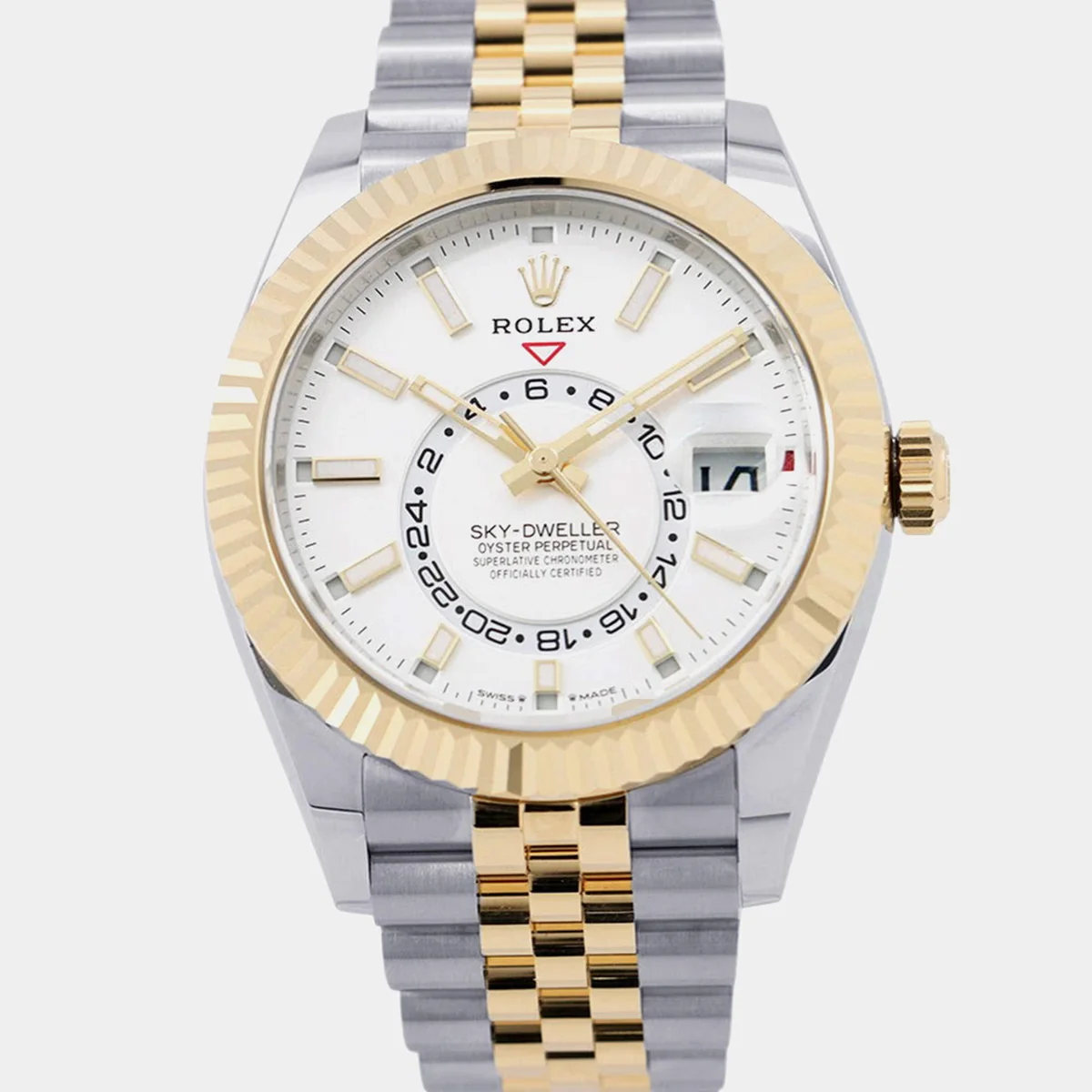
There’s a specific kind of pause that happens outside a boutique window. You’ve stopped mid-stride, phone forgotten in your pocket, doing quiet math on a Rolex Submariner or a Patek Philippe Aquanaut. The number on the little card in the window doesn’t match the number in your head, and for a long moment you just stand there, letting yourself want it anyway.
For most people, that gap between wanting and buying stays open for years. What rarely gets mentioned in that moment is that the same watch, the same movement, the same heritage, is often sitting a few blocks away in a certified pre-owned case for 20 to 40 percent less. Not a knockoff. Not a “similar model.” The actual watch, already broken in, already proven, already past the steepest part of its depreciation curve.
I’ve spent years buying, selling, and helping other collectors navigate this market, and the certified [pre-owned luxury](/buying-guides/best-luxury-casualwear-brands-effortless-style-2025/) watch space is still one of the most underused entry points into serious watch ownership. It’s not a compromise. Done correctly, it’s arguably the smarter purchase. Done carelessly, it’s also where people lose real money to counterfeits, frankenwatches, and sellers who use the word “certified” far too loosely. This guide is built to keep you on the right side of that line — whether this is your first serious watch or your fifteenth.
New vs. Pre-Owned Luxury Watches: Which Is the Smarter Buy?#
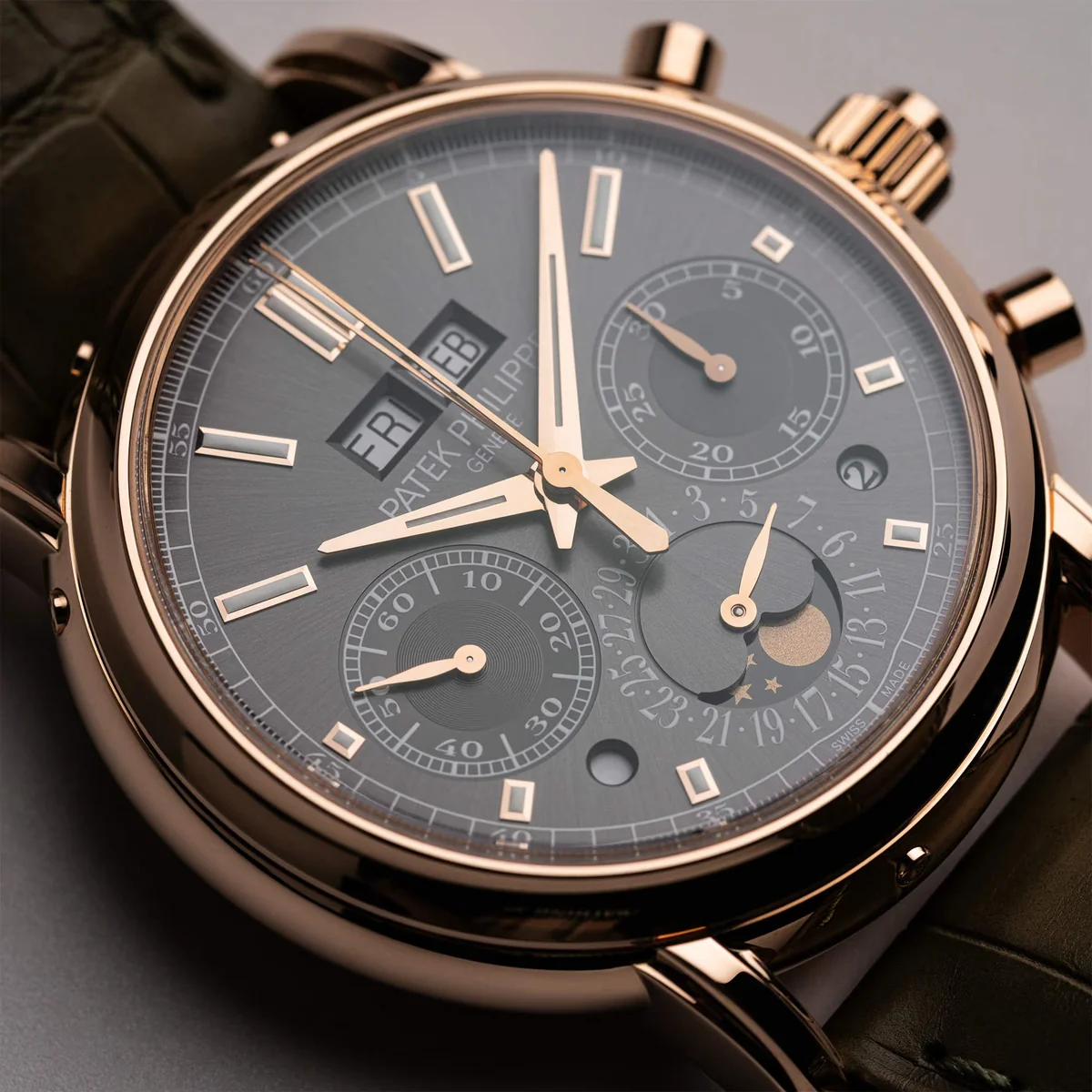
Here’s the uncomfortable truth authorized dealers won’t lead with: a brand-new luxury watch typically loses 20 to 40 percent of its value the moment it leaves the boutique. You’re not just paying for the watch — you’re paying a premium for being the very first owner, and that premium evaporates fast on the secondary market.
There’s a well-known exception, and it matters. Watches like the Rolex Submariner, GMT-Master II, and certain Patek Philippe references (the Nautilus and Aquanaut among them) don’t follow this pattern. Limited production and outsized demand mean these models can hold their retail value or trade above it on the pre-owned market. If you’re buying one of these specific references, “new vs. pre-owned” becomes less about depreciation and more about availability and waitlists.
For nearly everything else — Omega, Cartier, TAG Heuer, Chanel, Bvlgari, and even most non-flagship Rolex references — the depreciation curve is real and predictable:
- The steepest value loss happens in the first year of ownership
- Pricing stabilizes once a watch enters the secondary market
- From that point forward, resale value moves in a much narrower, more predictable band
That stabilization is exactly why pre-owned buying works in your favor. A certified pre-owned example has already absorbed that first-year hit. Someone else paid the “new owner tax.” You’re buying at or near the price floor, which means less risk of losing more value later.
Where buying new still makes sense:
- You want the full manufacturer warranty, typically two to five years depending on the brand
- The unboxing experience matters, particularly for milestone gifts
- You want absolute certainty the movement has never been opened or serviced by a third party
Where buying pre-owned wins:
- Realistic savings of 20 to 50 percent over retail on equivalent pieces
- Someone else already ate the first-year depreciation
- Access to discontinued references you simply cannot order new anymore
- Reputable certified pre-owned programs now include their own inspections and warranties, closing much of the gap with buying new
My honest take: if you’re buying primarily for value, long-term flexibility, or resale potential, pre-owned wins in most cases that aren’t Rolex or Patek flagship steel sports models. If the experience of being the first owner is the point, new still has its place — just go in knowing exactly what you’re paying for.
How to Verify Authenticity and Certification#
“Certified pre-owned” gets thrown around loosely, and that’s where a lot of buyers get into trouble. It should mean something specific: the watch has been authenticated by a qualified expert or the brand itself, inspected mechanically, and backed by some form of warranty. In practice, plenty of sellers slap “certified” on a listing with none of that behind it.
What legitimate certification actually includes:
- Authentication by a brand-trained specialist or the manufacturer’s own certified pre-owned program (Rolex Certified Pre-Owned and Omega Certified are the two most established)
- A documented service or inspection report, not just a visual once-over
- A warranty period, typically one to two years, backed by the seller or brand
- A serial number that has been checked against the movement, case, and papers for consistency
Papers, box, and records worth demanding:
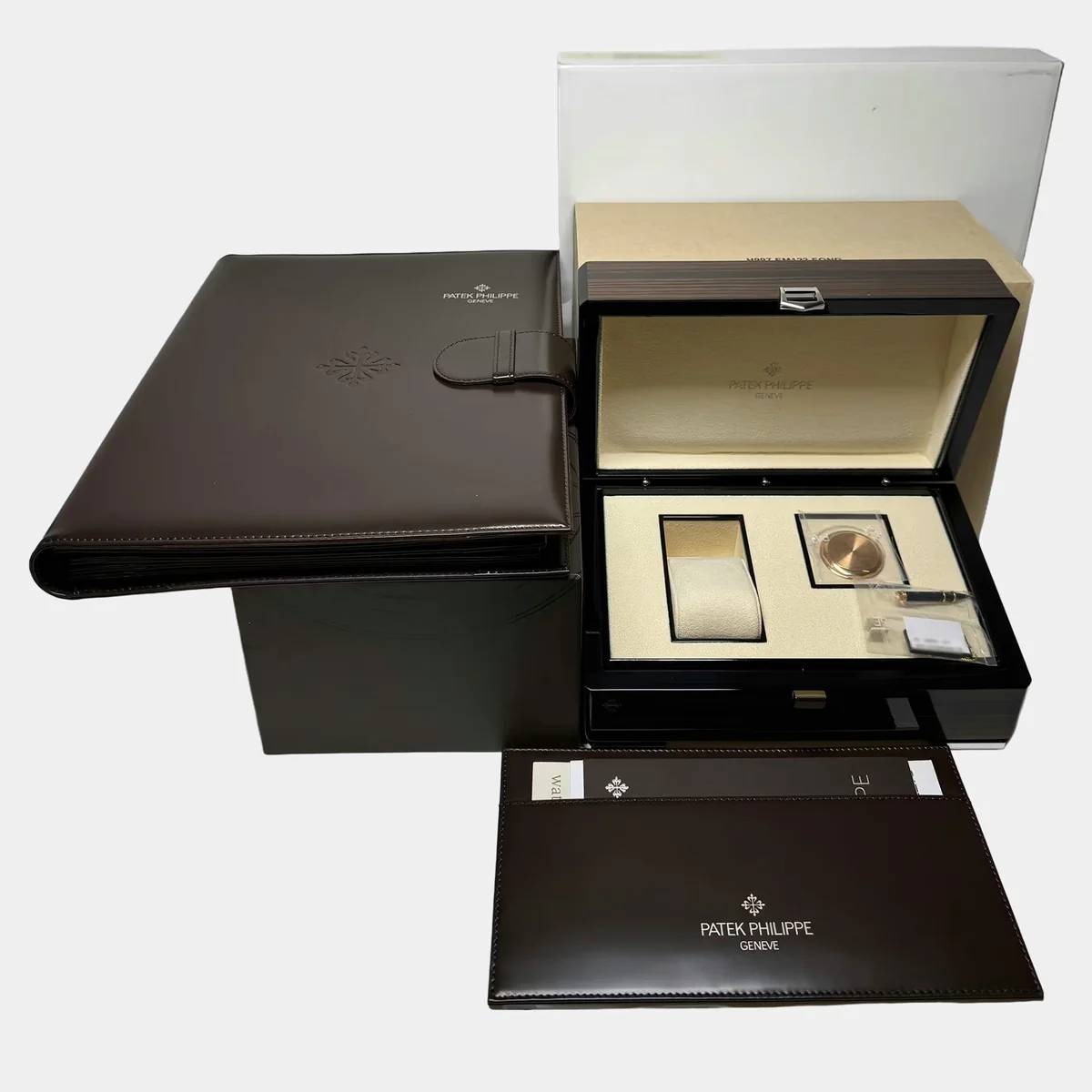
- Original box and papers (full sets command a premium and are worth the extra cost if resale matters to you)
- Warranty card with matching serial numbers
- Service history, ideally from an authorized service center
- Purchase receipt from the original retailer, if available
Full sets aren’t mandatory for a good buy, but their absence should adjust your price expectations, not your caution level.
Red flags I’ve learned to take seriously:
- A seller who’s vague or evasive about where the watch came from
- Serial numbers that don’t match between the case, movement, and papers
- A movement that looks “too clean” for its stated age, or conversely, one with mismatched parts and inconsistent finishing
- Pricing that’s dramatically below market for the reference — if a Datejust priced at market floor suddenly shows up 40 percent cheaper, that’s not a deal, that’s a warning
- Sellers unwilling to allow independent authentication before purchase
If a platform or dealer won’t let you verify the watch independently before you commit, walk away. This isn’t negotiable, regardless of how good the price looks.
What to Inspect Before You Buy: Condition, Movement and Service History#
Photos and listing descriptions only tell you so much. Before any pre-owned watch purchase, I go through the same checklist, and I’d encourage you to do the same — either yourself or through a trusted third-party inspector.
Case and bracelet condition:
- Check lug edges and bezel for over-polishing, which softens factory-sharp edges and can meaningfully hurt resale value
- Inspect the crystal for deep scratches versus light surface marks
- Look at bracelet stretch, especially on older Rolex and Omega sports models — excessive stretch signals heavy wear and adds to future service cost
Movement performance:
- Ask for a timegrading result or test the watch yourself over 24 to 48 hours against a reference clock
- A mechanical movement running within a few seconds per day is healthy; larger deviations suggest it’s due for service
- Listen for irregular ticking or a weak power reserve, both signs of internal wear
Service history and warranty coverage:
- Ask directly: when was it last serviced, and by whom? An authorized service center answer is worth more than “recently serviced” with no documentation
- Confirm what warranty, if any, transfers with the sale, and what it actually covers — cosmetic issues are usually excluded, movement failure usually isn’t
- Factor in that a full service at an authorized center can run several hundred to over a thousand dollars depending on the brand and complexity, so a watch that’s overdue for service should be priced accordingly
None of this is about being paranoid. It’s about knowing exactly what you’re paying for, and making sure the price reflects the watch’s actual condition, not just its reference number.
Where to Buy: Authorized Resellers, Auction Houses and Private Sellers#
Where you buy affects both your risk and your price, and each channel has a real trade-off worth understanding.
Certified pre-owned platforms and authorized resellers (including brand-run programs like Rolex Certified Pre-Owned, and established marketplaces such as The Luxury Closet) offer the most balanced combination of authentication, condition disclosure, and warranty coverage. You’ll typically pay slightly more than a private sale, but you’re paying for verified authenticity and recourse if something’s wrong. For most first-time pre-owned buyers, this is where I’d point you.
Auction houses (Christie’s, Sotheby’s, Phillips) are where you’ll find rare, vintage, or historically significant pieces, often with meticulous provenance research. The tradeoff is buyer’s premiums that can add 15 to 25 percent on top of the hammer price, and a bidding environment that can push final prices past retail on desirable lots. Auctions reward patience and a firm price ceiling you’re not willing to cross in the moment.
Private sellers (peer-to-peer sales, watch forums, classified listings) offer the lowest prices, full stop. They also carry the highest risk. There’s no institutional authentication, no guaranteed warranty, and disputes after the sale are your problem to solve. If you go this route, budget for independent authentication as a non-negotiable cost, and never wire funds before physically inspecting the watch or having someone you trust do it for you.
My honest ranking for most buyers: certified platforms first, auction houses for rare or vintage pieces, private sales only if you genuinely know what you’re inspecting or you’re working with an authenticator you trust.
Rolex, Omega, Patek Philippe and Beyond: Which Brands Hold Value Best#
Not every luxury watch holds value the same way, and pretending otherwise does buyers a disservice.
Rolex remains the benchmark for value retention in the pre-owned market. Steel sports references — the Submariner, GMT-Master II, and Daytona — routinely hold retail value or trade above it due to persistent demand outstripping supply. The Datejust and Day-Date hold value well but with more room to negotiate below retail than the sports lines.
Patek Philippe operates similarly at the top end. The Nautilus and Aquanaut, in particular, trade at significant premiums over retail on the secondary market, driven by waitlists that can stretch for years at the boutique level.
Omega doesn’t command Rolex-level premiums, but the Speedmaster Professional and Seamaster Diver 300M are the most consistent performers in the brand’s lineup, holding a meaningful percentage of retail value thanks to strong heritage and steady demand.
Audemars Piguet’s Royal Oak, particularly in steel, behaves more like a Rolex sports model than a typical luxury watch — high demand, limited allocation, strong resale.
Cartier’s Santos and Tank lines hold value respectably, aided by strong brand recognition, though they don’t command the premiums seen in the sports-watch category.
Where I’d urge caution: fashion-adjacent watch lines from brands better known for other categories — some Chanel J12 and Bvlgari Serpenti references, for example — tend to depreciate more like fashion accessories than horological investments. They’re beautiful watches and can be excellent pre-owned value plays precisely because of that depreciation, but don’t buy them expecting Rolex-level resale performance.
Buying Advice: How to Get the Best Deal Without Getting Burned#
This is where experience actually pays off, so here’s what I tell people before they make an offer.
Negotiate with information, not guesswork. Know the current market range for your specific reference, including recent sold prices, not just asking prices. A watch listed at market rate has little room to move; one priced above it has plenty.
Time your purchase around market cycles. Demand for certain references softens in slower economic periods, and patient buyers can pick up steel sports watches closer to retail than during hype cycles. If you’re not chasing a specific reference urgently, waiting a few months can meaningfully change your price.
Weigh certification and warranty against price, not just price alone. A watch that’s 5 percent cheaper but comes with no warranty and questionable papers isn’t actually the better deal once you account for service costs and resale risk.
Get full sets when resale matters to you. Box and papers add real, quantifiable value at resale time, even if they add a few hundred dollars to your purchase price now.
Never skip independent authentication on a private sale, even from someone you trust personally. It protects both parties, and any seller who resists it is telling you something.
Budget for service, not just purchase price. A watch that hasn’t been serviced in five-plus years should factor that cost into your offer, whether or not the seller has priced it in already.
The best deals I’ve seen weren’t the cheapest listings. They were fairly priced watches with clean documentation, verified condition, and a warranty that meant something — bought from someone willing to negotiate because the buyer clearly knew what they were looking at.
FAQ: Common Questions About Buying Pre-Owned Luxury Watches#
What does “certified pre-owned” actually mean for a watch? It means the watch has been authenticated and mechanically inspected by a qualified specialist or the brand itself, and typically comes with a warranty period. The term isn’t legally regulated, so the credibility depends entirely on who’s doing the certifying — a brand-run program or established platform carries far more weight than a private seller’s self-description.
Is buying a pre-owned Rolex actually safe? Yes, when purchased through an authorized dealer, Rolex Certified Pre-Owned program, or a reputable platform that authenticates inventory. The risk isn’t the watch category, it’s the sourcing. Private sales without independent authentication carry meaningfully higher risk of counterfeits or undisclosed issues.
How much can I realistically save buying a pre-owned Omega instead of new? Savings in the range of 30 to 45 percent off retail are common on popular references like the Seamaster, particularly for models a few years past their original release. Speedmaster Professional pricing tends to hold firmer due to steady collector demand.
Do [certified pre-owned watches](/buying-guides/certified-pre-owned-watches-buyers-guide-2026/) come with a warranty? Most legitimate certified pre-owned programs and reputable dealers offer a warranty, typically one to two years. Always confirm exactly what’s covered — movement issues usually are, cosmetic wear usually isn’t — before treating it as equivalent to a manufacturer warranty on a new watch.
Will a pre-owned luxury watch lose value after I buy it? Less than a new watch will, in most cases. Since the steepest depreciation happens in year one of ownership, buying pre-owned means that drop has already occurred. Value from that point tends to move in a narrower band, particularly for established references from Rolex, Patek Philippe, Omega, and Audemars Piguet.
Should I buy a pre-owned watch without box and papers? You can, and it’s often a smart way to save money if the watch authenticates cleanly and the price reflects the missing set. Just know it will affect resale value later, so factor that into what you’re willing to pay now.
Related Articles#
- Best Time to Buy a Luxury Handbag: Save More in 2025
- How Pre-Owned Luxury Fashion Is Reshaping the Industry
- Top 6 Pre-Owned Luxury Watch Brands Worth Buying in 2026
Related guides
- Online Bag Authentication: What Photos Can and Cannot Prove
- Fake Goyard Bag Guide: How to Spot Real vs Fake (2026)
- How to Spot a Fake Chanel Flap Bag: Authentication Guide
- How to Spot a Fake Hermès Birkin: Expert Checklist
- How to Buy an Authentic Luxury Bag from China Safely
- New vs Pre-Owned Luxury Bags: Which Route Is Right for You?
- Chanel Bag Guide: What to Know Before You Buy
- Luxury Bag Houses

Keyword index