Introduction#
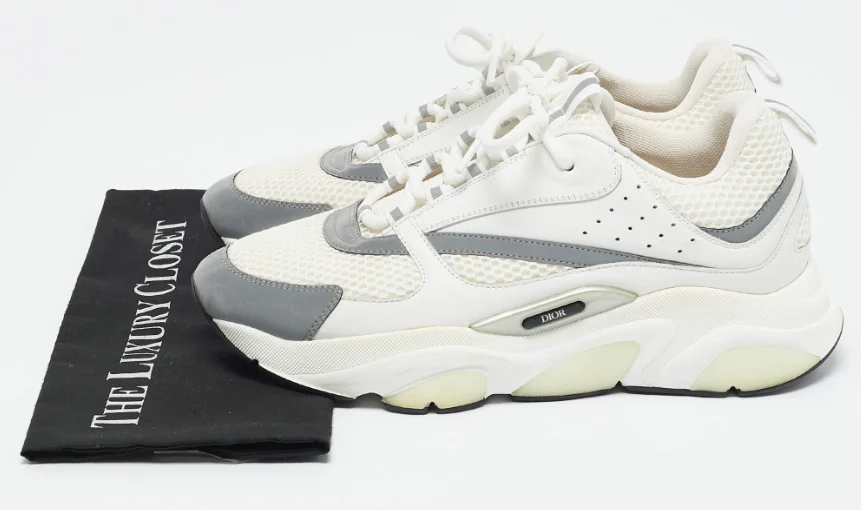
Luxury wardrobes used to have a strict hierarchy: heels for evening, loafers for the office, sandals for summer, and sneakers reserved for the gym bag. That hierarchy has collapsed. Walk into any boardroom, beach club, or after-party in 2026 and you’ll find the same category on almost every pair of feet: sneakers. Not the gym kind — the kind with a four-figure price tag, a waitlist, and a resale market that rivals handbags.
I’ve tested dozens of designer sneakers over the years, from Chanel’s tweed-trimmed pairs to Common Projects’ famously understated Achilles, and the pattern is clear. Sneakers haven’t just become acceptable in luxury dressing — they’ve become the default. The question isn’t whether you should wear them to work, on a flight, or to a dinner party. It’s which pair actually earns its place in each of those settings, because not every “luxury sneaker” is built the same, and plenty are better at looking expensive than at actually performing.
This guide breaks down why sneakers have become the smartest footwear investment for your feet and your joints, where other shoe styles quietly work against your body, and — most usefully — which luxury sneakers are actually worth buying for work, travel, parties, and everyday life in 2026.
Why Sneakers Are the Healthiest Choice for Your Body#
There’s a reason podiatrists and orthopedists have been nudging people toward sneakers for years, and it has nothing to do with trends.
Joint support. A properly constructed sneaker cushions the heel strike and distributes body weight across the whole foot instead of concentrating it on the ball of the foot or a narrow heel base. That matters more than most people realize — your knees, hips, and lower spine all absorb the shock that your shoes don’t.
Biomechanics. Sneakers are engineered around how the foot actually moves through a gait cycle: heel strike, midfoot roll, toe-off. Flat sandals and rigid dress shoes interrupt that cycle. Sneakers, when built with a real midsole (not just a flat rubber sole dressed up to look sporty), support it.
Posture. I notice this myself on days I switch between heels and sneakers — sneakers keep my pelvis and shoulders in a more neutral position because they don’t force a forward lean to compensate for an elevated heel. Over a full day of walking, that adds up.
It’s genuinely unisex. Unlike heels or narrow oxfords, sneaker anatomy adapts well across foot shapes and genders, which is part of why the category has expanded so aggressively into womenswear at the luxury level.
Longevity payoff. Podiatric issues from years of poor footwear — bunions, plantar fasciitis, chronic knee strain — are cumulative. Choosing joint-friendly shoes now is closer to a health investment than a style choice.
None of this means every sneaker is automatically good for you — a stiff, unpadded fashion sneaker with a flat rubber slab for a sole offers barely more support than a loafer. Construction still matters, which is exactly why the picks later in this guide matter more than the logo on the side.
Footwear Styles That Can Work Against Your Posture#
To be fair to heels, sandals, and dress shoes: they still have their place. But if comfort and joint health are the priority, it’s worth understanding what you’re trading off.
Stilettos and high heels shift your body weight forward onto the ball of the foot, tilting your pelvis and forcing your lower back to compensate. Wear them occasionally and it’s fine. Wear them daily and you’re looking at a higher risk of Achilles tightening, bunions, and chronic lower back pain.
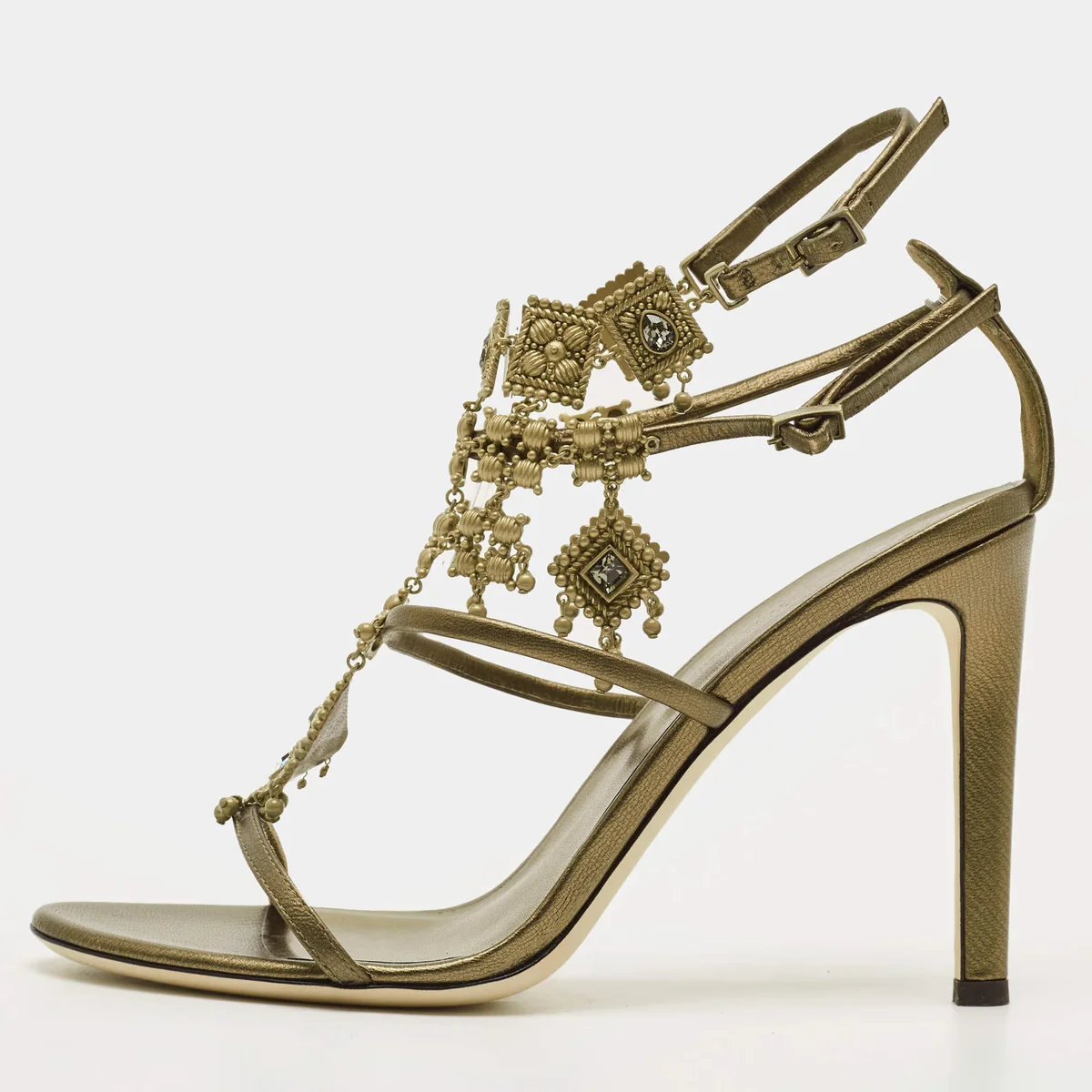
Gladiator sandals and flat slides look effortless, but most offer little to no arch support and almost no cushioning. I’ve worn gladiator styles — including pieces like the Giuseppe Zanotti Amira, with its olive leather straps and embellished detailing — and while they’re stunning for a few hours at an event, they do nothing to stop your foot from rolling inward over a long day. That overpronation eventually travels up into the knees and lower back.
Brogues and narrow dress shoes prioritize a sleek silhouette over actual foot shape. A tapered toe box that looks sharp in a photo can compress toes over time, contributing to hammertoes and corns.
None of these styles are “wrong” — they’re occasion pieces. But they reinforce why sneakers have earned a permanent seat at the luxury table: they’re the only category built primarily around how your foot functions rather than how it photographs.
Best Luxury Sneakers for Work and Office Days#
Office sneakers work when they read as tailored rather than athletic — clean silhouettes, minimal branding, and a neutral palette that pairs with structured trousers, pencil skirts, or a sharp blazer.
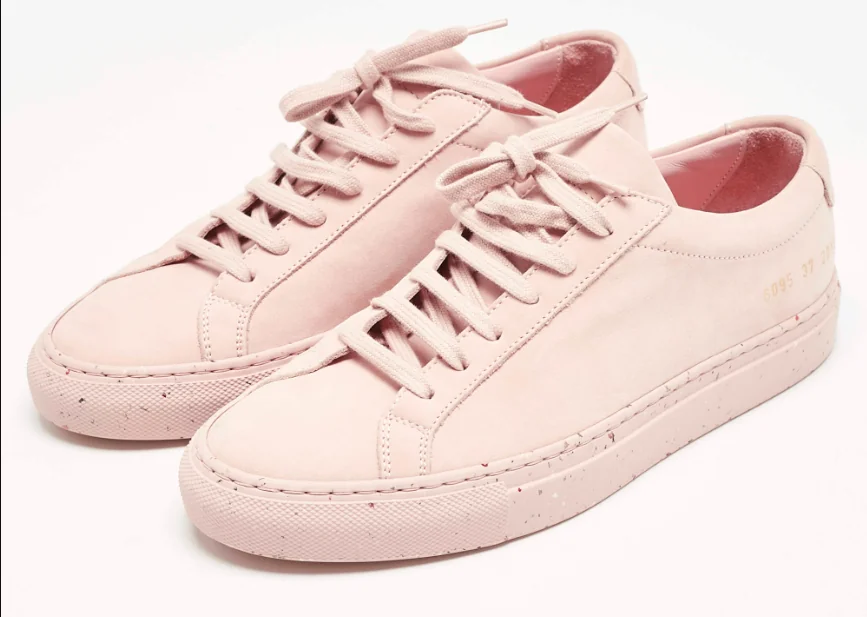
Common Projects Achilles Low — This is the sneaker that essentially created the “quiet luxury sneaker” category, and it still holds up. The clean leather upper and gold serial number on the heel signal understated confidence rather than logomania. The trade-off: the leather scuffs and creases faster than people expect for the price, and the sole isn’t heavily cushioned, so it’s better for office days than for miles of walking.
Axel Arigato Clean 90 — A slightly more architectural take with a lower price point than Common Projects, and genuinely comfortable out of the box. It reads polished with tailoring but leans a touch more casual, so it works best in business-casual offices rather than formal ones.
Cole Haan ZeroGrand — The sleeper pick here. It looks like a derby shoe from a distance but is built on a genuine athletic sole, which makes it one of the more comfortable options for anyone on their feet all day between meetings. It won’t turn heads the way a Chanel sneaker will, but for pure wearability at a desk job or client-facing role, it earns its spot.
Best Luxury Sneakers for Travel and Beach Getaways#
Travel demands something different: real cushioning, breathability, and a design that can survive a beach boardwalk one day and an airport terminal the next.
Louis Vuitton LV Trainer — Chunky, supportive, and instantly recognizable, this is a genuine workhorse for long transit days. The thicker sole absorbs pavement shock well, though it runs warmer than lighter styles, which makes it a better fit for cooler travel days than tropical beach heat.
Golden Goose Superstar — The distressed, “worn-in” leather look is polarizing (people either love the deliberate scuffing or think it looks pre-damaged for the price), but the flexible sole and low-profile build make it genuinely easy to wear for hours of sightseeing. It also hides travel wear well, which is a practical bonus.
Hermès Player Sneaker — Lighter and more minimal than the LV Trainer, with a soft calfskin construction that breaks in quickly. It’s less padded underfoot than some competitors, so it’s a better match for beach clubs and resort walks than for full days of hard pavement.
Best Luxury Sneakers for Parties and Evening Occasions#
Evening sneakers need to do double duty: comfortable enough to dance in, elevated enough not to look out of place next to a cocktail dress or tailored suit.
Chanel Tweed and Leather Sneaker — The tweed panelling and interlocking CC hardware make this one of the few sneakers that genuinely reads as evening-appropriate. It’s not built for heavy walking — the sole is thinner than a typical trainer — but for a dinner or party where you’re seated more than you’re pacing, it’s a smart trade of comfort for polish.
[[Valentino Rockstud](/buying-guides/best-valentino-bags-worth-the-investment/)](/brands/valentino-roman-stud-shoulder-bag/) Sneaker — The stud detailing gives it enough edge to pair with a slip dress or tailored suit for a night out. Comfort-wise it’s solidly mid-range: better than heels, not as cushioned as a proper trainer, which makes sense given its identity as a dress-first sneaker.
Dior B23 High-Top — The Oblique canvas and high-top silhouette make a statement without trying too hard, and the rubber sole is genuinely more supportive than most “dressy” sneakers. Sizing runs slightly narrow, which is worth knowing before buying online.
Best Luxury Sneakers for Everyday Casual Wear#
For daily errands, weekend brunches, and downtime, the priority shifts entirely to comfort and durability over polish.
Golden Goose Superstar (again) — It shows up twice on this list for a reason: it’s genuinely one of the most versatile luxury sneakers on the market, equally at home running errands as it is on a trip. The pre-distressed leather means you don’t need to babysit it against scuffs.
Balenciaga Triple S — Exaggerated, chunky, unapologetically maximalist. This is a shoe you either love or don’t bother with, but the layered sole is genuinely comfortable for long stretches of walking. It runs large in most cases, so sizing down half a size is common advice among owners.
Amiri Skel Top Low — A cleaner, lower-profile option than the Triple S, with a soft leather construction that’s comfortable almost immediately. It skews more minimal, which makes it easier to wear with jeans and loungewear without looking like you’re trying too hard.
Buying Advice and FAQs#
How to choose the right luxury sneaker
- Match the sole to the use case. A thin, elegant sole (Chanel, Valentino) is fine for events where you’re mostly standing or seated. A thicker, cushioned sole (Louis Vuitton LV Trainer, Balenciaga Triple S) is what you want for travel or all-day wear.
- Try before you commit to online buying, or check the brand’s sizing notes. Dior and Balenciaga in particular run noticeably off from standard sizing — narrow and oversized, respectively.
- Leather ages differently than you’d expect. Common Projects’ smooth calfskin scuffs faster than people anticipate for the price point; Golden Goose’s distressed leather is designed to look worn from day one, which sidesteps that problem entirely.
- Buy for resale value if you’re collecting. Common Projects, Chanel, and Louis Vuitton sneakers tend to hold value better on the resale market than trend-driven styles, partly because their designs don’t shift dramatically season to season.
Are luxury sneakers actually more comfortable than regular sneakers? Not automatically. Comfort comes from construction — midsole cushioning, arch support, leather quality — not from the brand name. Some luxury sneakers (Cole Haan ZeroGrand, Golden Goose) genuinely outperform mass-market options. Others (thin-soled Chanel or Valentino styles) prioritize aesthetics and are best treated as occasion pieces rather than daily walkers.
Can you really wear sneakers to a formal office? In most modern offices, yes, provided the sneaker is minimal, neutral in color, and free of chunky branding. Save the LV Trainer or Balenciaga Triple S for outside work hours; save the Common Projects or Cole Haan for the desk.
Do luxury sneakers hold their value like handbags? Some do. Discontinued or collaboration releases (particularly from Louis Vuitton and Dior) have shown strong resale demand. Core, ongoing styles like the Common Projects Achilles hold steady value rather than appreciating, which makes them a safer buy than a strong investment.
What’s the biggest downside of luxury sneakers overall? Price-to-durability ratio. A $150 running shoe and an $800 designer sneaker can have comparable midsole cushioning — you’re paying primarily for materials, branding, and design, not necessarily double the comfort. Buy them because you love the design and the fit works for your foot, not purely as a comfort upgrade over a well-made mainstream sneaker.
Related Articles#
- Louis Vuitton Archlight Sneakers: Full Review & Buying Guide
- Best Luxury Sneakers 2026: Complete Buying Guide
- How Pre-Owned Luxury Fashion Is Reshaping the Industry
- Designer Handbag Trends 2025: What’s Actually Worth Buying
Related guides
- Online Bag Authentication: What Photos Can and Cannot Prove
- Fake Goyard Bag Guide: How to Spot Real vs Fake (2026)
- How to Spot a Fake Chanel Flap Bag: Authentication Guide
- How to Spot a Fake Hermès Birkin: Expert Checklist
- How to Buy an Authentic Luxury Bag from China Safely
- New vs Pre-Owned Luxury Bags: Which Route Is Right for You?
- Chanel Bag Guide: What to Know Before You Buy
- Luxury Bag Houses


Keyword index