Introduction#
A designer handbag has always said something about the woman carrying it, but over the last decade it has also become something else entirely: an asset. Auction houses now run dedicated handbag sales, resale platforms publish price indices the way stock exchanges publish tickers, and collectors talk about “cost per wear” in the same breath as “annualized return.”
I’ve bought, sold, and worn more designer bags than I can comfortably admit to my accountant, and one thing has become clear: not every logo holds its value, and plenty of hyped releases lose 40% of their retail price the moment they leave the boutique. The bags that genuinely appreciate share a specific set of traits — scarcity, craftsmanship, brand heritage, and a waitlist that never quite catches up with demand.
This guide breaks down what actually separates the best designer handbags to invest in from the ones that just look good on Instagram, then ranks the ten pieces I’d put my own money behind for resale value, wearability, and long-term desirability. Whether you’re buying your first Birkin or trying to decide between a Chanel Flap and a Boy bag, the goal here is the same: help you buy something you’ll love carrying and won’t regret selling.
How to Choose an Investment-Worthy Handbag#
Before you fixate on a specific model, it helps to understand the mechanics behind [[designer handbag resale value](/prices-and-value/luxury-fashion-investment-pre-loved-luxury/)](/prices-and-value/sell-designer-handbags-2025/). These are the five factors I check before recommending any piece as an investment:
Heritage and brand history. Bags with decades of continuous production and a recognizable design language — think Chanel’s quilted Flap or Hermès’ saddle-stitched Kelly — tend to hold value better than trend-driven releases. A Baghunter study found Hermès Birkins gained an average of 14.2% annually between 1980 and 2015, outperforming both the S&P 500 and gold over the same stretch. That kind of performance doesn’t happen with a bag introduced two seasons ago.
Authenticity documentation. This sounds obvious, but it’s where most first-time buyers get burned. Counterfeit and “superfake” handbags have gotten disturbingly convincing, so buy from sellers who guarantee authenticity in writing, provide entry cards or certificates, and stand behind the item with a return policy.
Condition. Corners, hardware, and interior lining tell the real story of a bag’s life. Excessive wear, replaced zippers, or a sagging structure can knock 20–30% off resale price even on an otherwise desirable model. Buy the best condition you can afford, not the lowest price.
Scarcity and waitlists. Limited editions, discontinued colorways, and exotic leathers (crocodile, ostrich, lizard) appreciate faster because supply simply can’t meet demand. The Fashion Law has pointed out that this scarcity premium is exactly what turns an ordinary handbag into a genuine collectible.
Price history and valuation. Track a model’s retail price increases over time (Chanel alone has raised prices multiple times a year in recent cycles) and compare it against resale data before you buy. A bag that’s already trading below retail on the secondary market is a different investment proposition than one commanding a premium.
Top 10 Handbags with the Strongest Resale ROI#
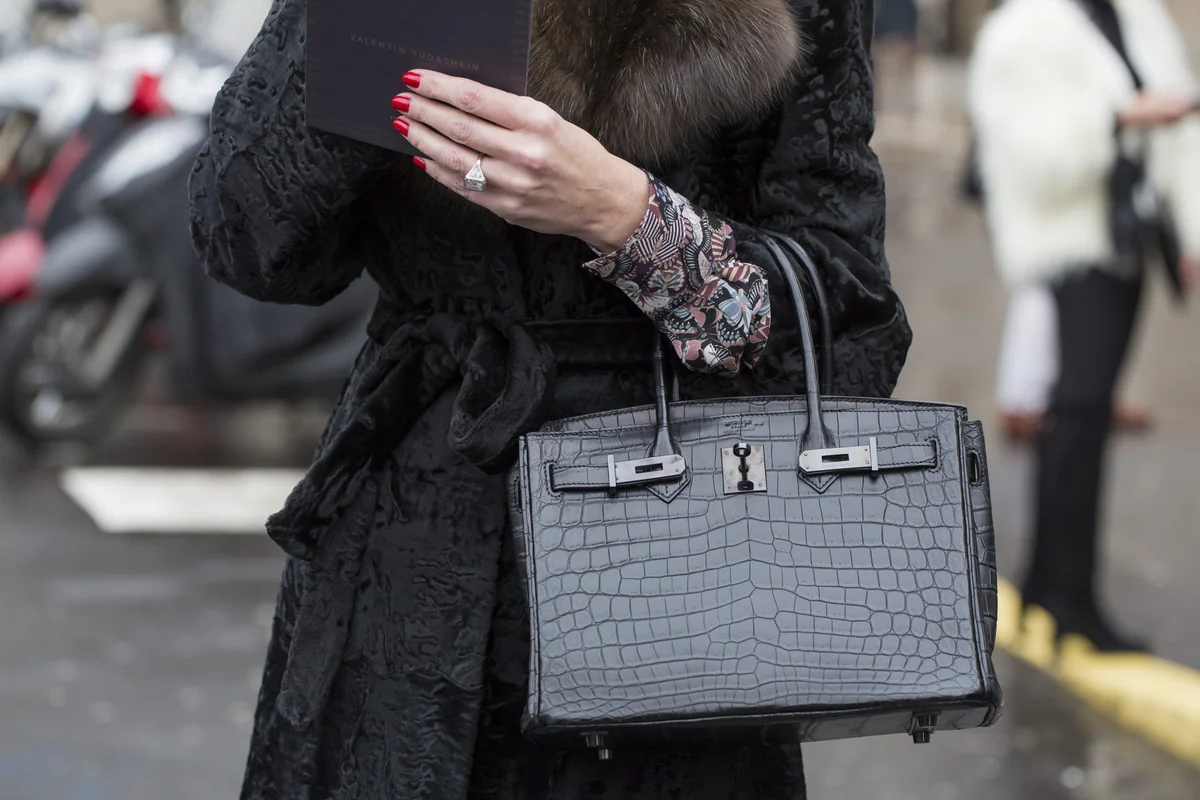
1. Hermès Birkin — The Benchmark for Handbag Investment#
There’s no getting around starting here. The Birkin isn’t just the most valuable handbag on the resale market, it’s the reference point everyone else gets measured against. Sotheby’s has reported Birkin values climbing over 500% between 1981 and 2016, and rare pieces like the Himalaya Birkin have sold at auction for over $450,000.
My honest take: the appreciation is real, but so is the waitlist frustration — Hermès doesn’t sell you a Birkin on demand, you build purchase history with the brand first, which is precisely why the secondary market commands such steep premiums. Popular sizes (25 and 30) in Togo or Epsom leather with palladium hardware are the safest bets for resale liquidity.
2. Hermès Kelly — More Versatile, Nearly as Strong#
The Kelly gets less headline attention than the Birkin, but it’s arguably the more elegant bag and, in my experience, easier to actually live with day to day thanks to its structured, top-handle silhouette. It shares the same leather and hardware pool as the Birkin, which means the same scarcity dynamics apply.
Pros: slightly more accessible waitlist than the Birkin, timeless silhouette, strong resale across sizes 25–32. Cons: the flap closure with the twist lock is genuinely less practical for everyday grab-and-go use — this is a bag you commit to, not one you casually toss things into.
3. Chanel Classic Flap — The Heritage Standard#
If the Birkin is the ceiling, the Chanel Classic Flap is the most attainable true investment piece for most buyers. Chanel has increased prices on this bag multiple times annually for the past several years, which has pushed secondary market values up in tandem rather than eroding them.
My take: the quilted lambskin versions are gorgeous but genuinely delicate — I’ve seen too many resell at a discount because of corner wear or sagging chains. If resale value is your priority over lambskin’s softness, caviar leather holds its shape and value considerably better.
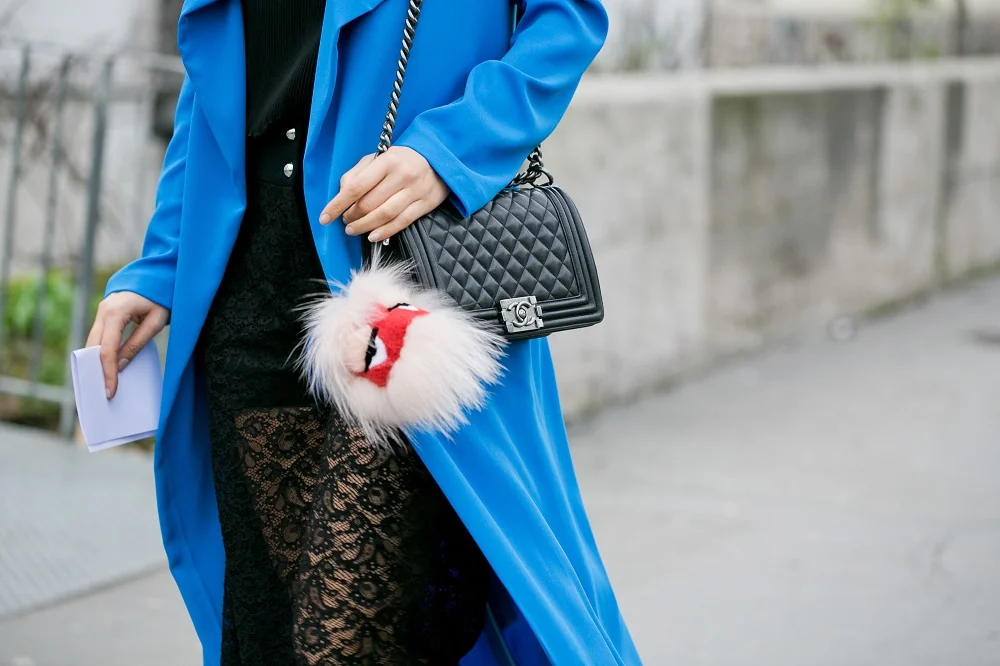
4. Chanel Boy Flap — The Contemporary Classic#
Created by Karl Lagerfeld, the Boy Flap’s rectangular, structured silhouette gives it a different personality than the rounder Classic Flap, and it’s aged well precisely because it doesn’t read as trend-driven. Luxury resale reports, including the 2023 Gugus Luxury Trends report, consistently place Chanel at the top of the resale appreciation market.
Pros: boxier shape holds structure better than the soft Flap over years of use; versatile hardware options (silver, gold, ruthenium). Cons: slightly less brand recognition to non-fashion buyers than the Classic Flap, which can mean a marginally smaller resale buyer pool.
5. Louis Vuitton Capucines — Craftsmanship-Led Value#
The Capucines doesn’t get discussed in investment circles as often as it should. It’s entirely leather (no coated canvas), hand-stitched, and produced in far more limited numbers than LV’s monogram staples, which gives it a scarcity profile closer to Hermès than to typical Louis Vuitton output.
Honest opinion: it’s one of the few “newer” LV bags (launched 2013) I’d actually call collectible rather than just popular. The tradeoff is that it’s less recognizable at a glance than the monogram Speedy or Neverfull, so you’re buying it for the leather and craftsmanship, not instant logo recognition.
6. Dior Lady Dior — The Celebrity-Backed Classic#
Named after Princess Diana and worn by everyone from Carla Bruni to Blackpink’s Jisoo, the Lady Dior’s cannage quilting and dangling charms make it instantly identifiable. It’s been in continuous production since 1994, which gives it genuine heritage credentials rather than manufactured hype.
Pros: strong brand story, consistent demand across markets (particularly Asia), classic sizes retain value well. Cons: the dangling “D-I-O-R” charms are the first thing to show wear or go missing, and a Lady Dior missing its charms sells for noticeably less.
7. Fendi Baguette — Proof That Nostalgia Sells#
The Baguette’s second life is one of the more interesting resale stories in recent years. Written off as a 2000s relic for a while, it came roaring back after the Sex and the City revival and renewed Y2K interest, and vintage/rare colorways from the original run now command real premiums.
My take: this is the clearest example on this list of a “modern collectible” driven by cultural moment rather than pure heritage. That makes it a slightly riskier long-term hold than a Birkin or Kelly — nostalgia cycles can fade — but short-to-medium term ROI on rare original-run pieces has been genuinely strong.
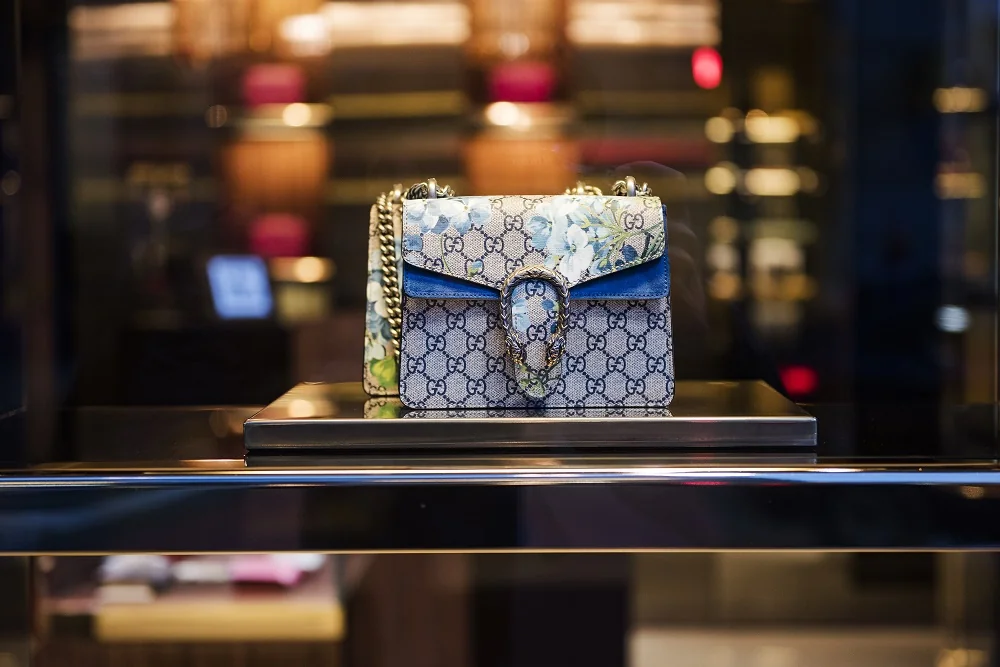
8. Gucci Dionysus — Modern Collectible with Global Reach#
The Tiger-head clasp, drawn from Greco-Roman mythology, gave the Dionysus a distinct identity the moment Alessandro Michele introduced it, and pieces from his era continue to resell well thanks to sustained global demand.
Pros: strong brand recognition, GG Supreme canvas variants are particularly sought after, wide range of sizes and price points. Cons: Gucci’s post-Michele direction under Sabato De Sarno has cooled resale enthusiasm for some of the maximalist Michele-era pieces — buy variants with broad, lasting appeal rather than of-the-moment prints.
9. Chanel 19 — The Newer Bag Worth Watching#
Launched in 2019, this is the youngest bag on this list, and I’ll be transparent: it hasn’t had decades to prove itself the way the Classic Flap has. But the quilted diamond stitching, mixed hardware, and Chanel’s broader pattern of consistent price increases have already pushed early resale values upward faster than most new releases achieve.
Honest caveat: newer designs carry more uncertainty. If Chanel’s design direction shifts or the 19 gets discontinued in favor of something else, resale performance could go either way. I’d treat it as a calculated bet rather than a sure thing, though early signs are promising.
10. Bottega Veneta Andiamo — The Craftsmanship Dark Horse#
Bottega’s intrecciato weaving is some of the most technically demanding leatherwork in luxury, and the Andiamo (along with the smaller Jodie) has built a genuine collector following among buyers who care more about construction than logos.
Pros: exceptional leatherwork, understated design that ages well, growing secondary market recognition. Cons: Bottega’s lack of visible branding is a double-edged sword — it appeals to quiet-luxury buyers but means a smaller resale audience than logo-forward brands, which can mean slower (though still solid) turnover.
What Makes These Bags Stand Out from the Rest#
Looking at this list as a whole, there’s a clear split between two investment profiles.
Heritage classics — the Birkin, Kelly, Chanel Flap, Boy Bag, and Lady Dior — hold value because of decades of consistent production, brand-controlled scarcity, and price increases that track (or outpace) inflation. Their risk profile is low: demand has been proven over 30+ years, and it’s unlikely to disappear. The tradeoff is entry cost and, for Hermès specifically, the waitlist gatekeeping.
Modern collectibles — the Dionysus, Baguette, Chanel 19, Capucines, and Bottega Andiamo — trade on craftsmanship, cultural moment, or design-era desirability rather than decades of track record. They can outperform heritage bags in the short term (the Baguette’s revival is a good example), but they’re more exposed to shifting trends, design-house leadership changes, and the general unpredictability of what younger buyers decide is cool next.
My honest recommendation: if resale certainty is your top priority, weight your collection toward heritage classics. If you’re comfortable with more risk in exchange for potentially sharper short-term gains, modern collectibles deserve a spot in the mix too — just don’t make them your only holdings.
Buying Advice: Where and How to Purchase Safely#
Buy from platforms that guarantee authenticity in writing. Reputable luxury resale sites (The Luxury Closet among them), authorized boutiques, and established auction houses like Sotheby’s and Christie’s all stand behind what they sell. Marketplace listings from unverified individual sellers are where the vast majority of counterfeit and misrepresented bags originate.
Request close-up photos or video before committing, especially for online purchases. Check stitching consistency, hardware engravings, date/serial codes, and interior lining stamps against known authentic references. If a seller is reluctant to provide this, that’s a red flag on its own.
Inspect condition in person whenever possible. Corners, base, handles, and hardware plating show wear first. Run the zippers, check for any odor (smoke, mildew, or heavy perfume can be difficult to remove and will hurt resale later), and confirm all original components — dust bags, cards, locks, clochettes — are included, since missing accessories reduce resale value.
Get a third-party authentication when the stakes are high. Services like Entrupy or Real Authentication offer independent verification for a modest fee, which is cheap insurance on a five- or six-figure purchase.
Keep your paperwork. Receipts, authenticity cards, and any original packaging materially affect what you can resell the bag for later. Store them the way you’d store a stock certificate.
Frequently Asked Questions#
Which designer handbags actually hold their value best? Hermès Birkins and Kellys consistently outperform every other brand on resale value retention, followed by Chanel’s Classic Flap and Boy Bag. These four have the longest track record of appreciation rather than depreciation.
Is a Chanel bag a better investment than a Louis Vuitton bag? For most classic styles, yes. Chanel’s frequent price increases and tighter production have pushed resale values up more consistently than Louis Vuitton’s higher-volume monogram lines. That said, LV’s more limited leather pieces, like the Capucines, perform closer to Chanel.
How much can a used designer handbag resell for compared to retail? It varies enormously by model and condition. A well-maintained Birkin can resell above its original retail price. A Classic Flap in good condition typically resells for 60–90% of current retail. Trend-driven bags from mass-market luxury lines often resell for 30–50% of retail or less.
Do I need the box, dust bag, and receipt to resell a handbag? You don’t strictly need them, but their absence will lower your resale price and slow down the sale, since buyers pay a premium for full sets with documentation.
Are limited-edition handbags always a good investment? Not always. Scarcity helps, but only when paired with genuine desirability. Plenty of limited editions from lower-demand brands or unpopular collaborations have failed to hold value simply because collector interest never materialized.
What’s the safest way to verify a handbag’s authenticity before buying secondhand? Buy from resellers who guarantee authenticity in writing and offer returns, cross-check serial numbers and hardware stamps against known references, and consider a third-party authentication service for high-value purchases.
Related Articles#
- Designer Handbag Trends 2025: What’s Actually Worth Buying
- Top ‘It’ Bags Worth Buying in 2024: Investment Guide
- Sell Designer Handbags in 2025: Get Paid More, Faster
- How Pre-Owned Luxury Fashion Is Reshaping the Industry
- Chanel Flap Bag Buying Guide: Sizes, Prices & Deals
Related guides
- Online Bag Authentication: What Photos Can and Cannot Prove
- Fake Goyard Bag Guide: How to Spot Real vs Fake (2026)
- How to Spot a Fake Chanel Flap Bag: Authentication Guide
- How to Spot a Fake Hermès Birkin: Expert Checklist
- How to Buy an Authentic Luxury Bag from China Safely
- New vs Pre-Owned Luxury Bags: Which Route Is Right for You?
- Chanel Bag Guide: What to Know Before You Buy
- Luxury Bag Houses


Keyword index