Introduction#
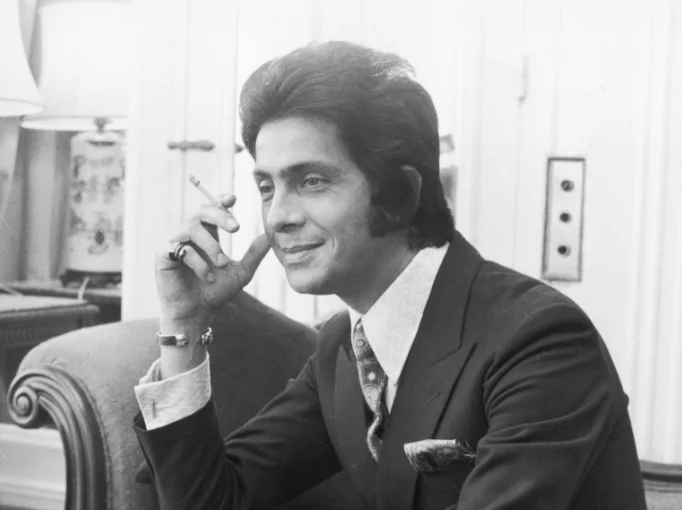
“I know what women want. They want to be beautiful.” — Valentino Garavani
On January 19, 2026, the fashion world lost one of its last true sovereigns. Valentino Garavani passed away in Rome at 93, leaving behind a body of work that spans more than six decades and touches virtually every corner of luxury fashion. He was not a designer who chased trends. He set them, then stood back while the world caught up.
The Valentino Garavani legacy is not defined by a single iconic bag or a viral runway moment. It is built from a lifetime of conviction — a belief that clothing should make a woman feel extraordinary, that color could carry emotion, and that glamour was not something to apologize for. In an industry that frequently rewards the provocative or the purely commercial, Valentino remained steadfastly devoted to beauty in its most opulent, romantic form.
For anyone who loves luxury fashion — whether you collect vintage Valentino couture, wear the Rockstud heels, or simply admire the craftsmanship behind the house — understanding the milestones of Valentino Garavani’s life gives critical context to why his work still resonates. This is not just fashion history. It is a masterclass in building something that lasts.
Product Overview#
Designer: Valentino Garavani Born: May 11, 1932, Voghera, Italy Passed: January 19, 2026, Rome, Italy Fashion House Founded: 1960, Rome Signature Aesthetic: Romantic glamour, architectural silhouettes, bold use of color — particularly Rosso Valentino Key Legacy Pieces: The Fiesta dress, the V-logo accessories, the Rockstud collection, and the iconic all-white and all-red runway collections Career Span: 1959–2008 (active design), with the fashion house continuing under subsequent creative directors
Valentino Garavani is consistently ranked among the most influential couturiers of the 20th century. His fashion house, simply known as Valentino, remains one of the most recognizable luxury brands globally, with annual revenues in the hundreds of millions. The cultural footprint, however, is impossible to quantify. From Jackie Kennedy’s wedding dress to Elizabeth Taylor’s red carpet choices, Valentino’s work is woven into the fabric of modern history.
Design#
A Visual Language Built on Emotion#
What made Valentino’s design philosophy distinct was its unapologetic emotional directness. Where some designers pursued conceptual abstraction or deconstruction, Valentino pursued beauty — and he pursued it relentlessly.
His silhouettes drew from the grand tradition of European couture: full skirts with architectural structure, form-fitting evening gowns with exquisite draping, and suits with the kind of precise tailoring that only comes from years of Parisian apprenticeship. But Valentino layered onto that foundation something deeply personal: an Italian sensibility for richness, warmth, and theatricality that French couture rarely allowed itself.
His use of embroidery was particularly distinctive. Hand-applied flowers, cascading lace, intricate beading — these were not decorative afterthoughts but central to the narrative of each garment. A Valentino dress did not need accessories to make a statement. It was the statement.
Rosso Valentino: More Than a Color#
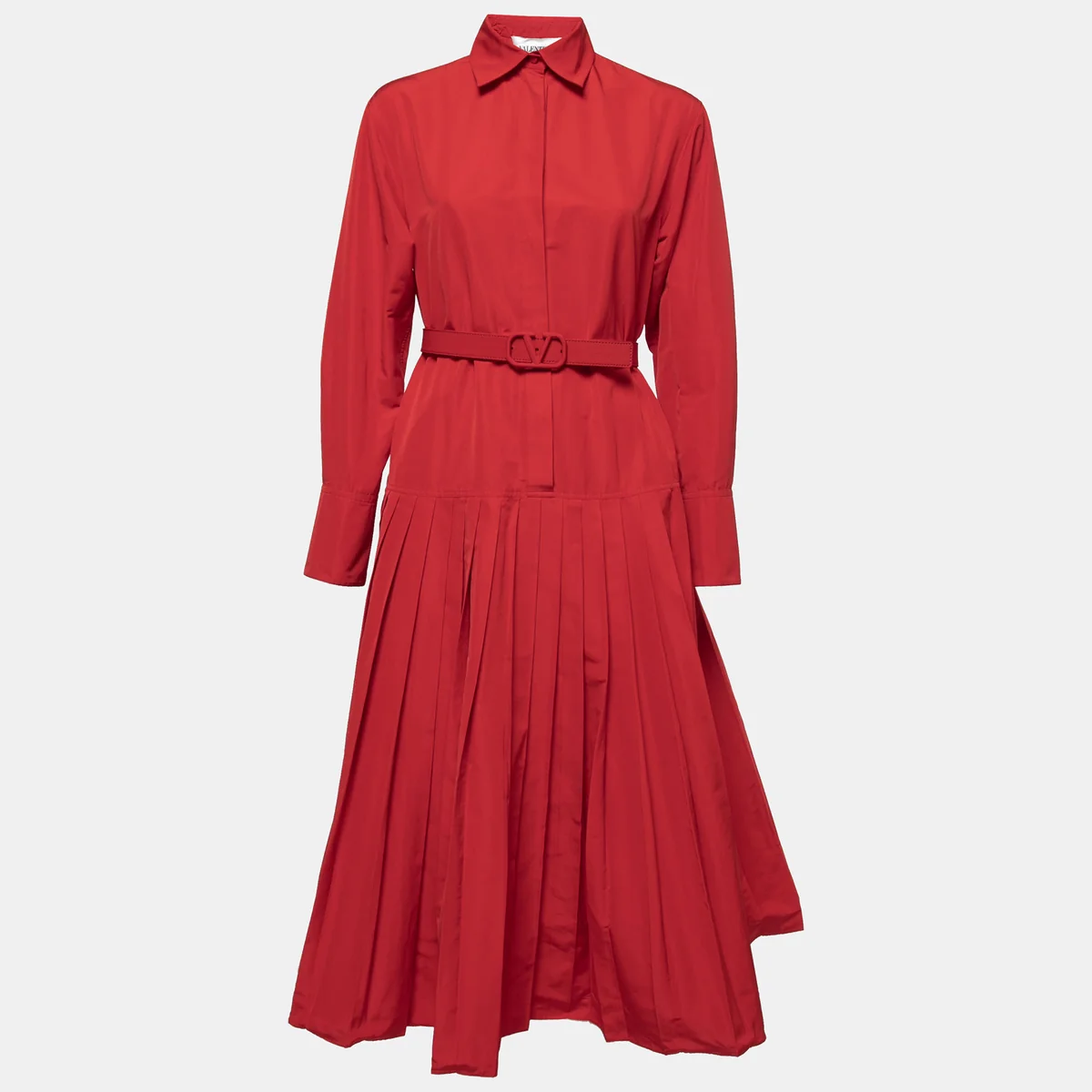
No discussion of Valentino’s design language is complete without addressing his red. The specific shade — a fierce blend of carmine, scarlet, and orange, often cited as hex #E4002B — was not chosen arbitrarily. It came from a formative experience in a Barcelona opera house in the 1950s, where a young Valentino watched a woman in a red velvet gown and understood, instinctively, what power and femininity could look like in fabric form.
That red became so synonymous with the brand that it earned its own name: Rosso Valentino. It debuted in his Spring/Summer 1959 collection and never left. Across decades, collections, and creative directors, the red has remained a throughline — the clearest signal that what you are looking at is, undeniably, Valentino.
The Menswear Dimension#
A less-discussed aspect of Valentino’s design legacy is his contribution to men’s fashion. Long before gender-fluid dressing became a mainstream conversation, Valentino was draping men in rich colors, bold patterns, and refined tailoring that pushed against the conservative norms of menswear. He believed men deserved the same permission to be glamorous — a conviction that, in retrospect, was quietly radical.
Materials#
The Standard That Defined “Luxury”#
Valentino’s commitment to materials was non-negotiable. Over his career, he worked with the finest silk organzas, heavyweight gabardine, hand-woven lace, duchess satin, and structured tulle — sourcing predominantly from Italian and French mills with centuries of textile heritage. This is what separated a Valentino garment from anything produced at scale.
His couture pieces were typically constructed over dozens, sometimes hundreds, of hours. A single embroidered evening gown could involve up to 1,500 hours of handwork across an atelier team. These were not garments designed to be worn twice and discarded. They were designed to be archived, preserved, and passed down.
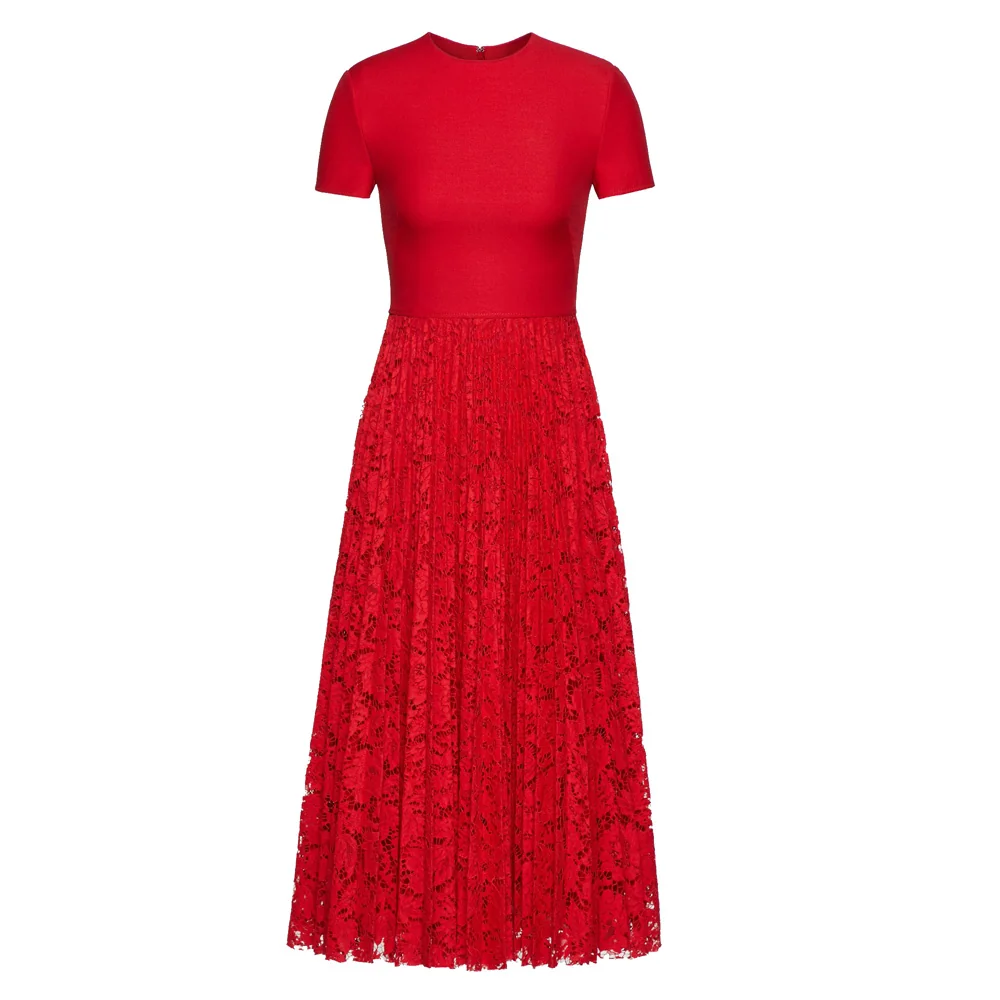
For the ready-to-wear lines, Valentino maintained rigorous material standards even as production scaled. The tactile experience of wearing Valentino — the weight of the fabric, the way it moves, the finish at the seams — has always been part of the value proposition. It is not something you need to be a fashion expert to notice. You feel it immediately.
The Red Valentino diffusion line, while more accessible in price point, maintained the brand’s aesthetic DNA and continued to use quality fabrics well above the fast-fashion norm. For buyers entering the Valentino world at a lower price point, it represented genuine value without the compromises that typically come with diffusion.
Pros and Cons#
No honest tribute to a designer of this scale should shy away from the full picture. Valentino Garavani’s legacy is extraordinary — but it is also human, which means it has tensions and contradictions worth acknowledging.
Advantages#
Timeless aesthetic with staying power. Valentino’s design language does not expire. A couture gown from the 1960s sits comfortably alongside contemporary fashion in a way that very few designers from any era can claim. This translates directly into resale and investment value for collectors.
Unmatched craftsmanship in couture. The construction quality of Valentino’s haute couture pieces is genuinely exceptional. For anyone who values the skill and heritage of handmade garments, there is little that competes at this level.
Strong brand identity. Few luxury houses have a visual identity as clear and consistent as Valentino’s. The red, the V-logo, the Rockstud hardware — these are instantly recognizable globally, which matters for both cultural cachet and resale value.
Broad range across price points. From haute couture to Red Valentino and accessories, the house offered entry points for different budgets without diluting the brand’s core identity — a balancing act that many luxury houses fail to achieve.
Significant cultural imprint. Valentino’s work was chosen for some of the most photographed moments in modern history: Jackie Kennedy’s second wedding, Elizabeth Taylor’s red carpets, royals and heads of state across decades. That provenance adds an intangible but real layer of value.
Disadvantages#
Price accessibility. Even at the ready-to-wear level, Valentino sits at the upper tier of luxury pricing. For new buyers, entry is a significant financial commitment, and couture is effectively limited to a very small global clientele.
Post-Valentino creative continuity. Since Valentino retired in 2008, the house has cycled through several creative directors with varying degrees of success. The brand’s identity has remained coherent, but buyers of contemporary Valentino are purchasing something that reflects the house’s heritage more than the man’s direct vision.
Delicate construction requires care. The same craftsmanship that makes Valentino extraordinary also makes it demanding to maintain. Silk, lace, and hand embroidery require specialized care, storage, and occasional professional restoration. This is not a wardrobe you can treat casually.
Limited menswear presence historically. Despite Valentino’s genuine interest in menswear, the house’s commercial strength has always centered on womenswear. Men seeking the same depth of offering will find the catalog comparatively narrow.
Who Should Buy#
Valentino is not for everyone — and that is entirely by design.
The luxury fashion collector is perhaps the ideal Valentino buyer. Pre-owned couture and archival ready-to-wear pieces hold and often appreciate in value, particularly pieces from the 1960s through the 1990s. For someone building a wardrobe that functions as both art and asset, Valentino belongs on the shortlist.
The occasion dresser who wants something genuinely memorable for a wedding, gala, or significant life event will find in Valentino a designer who understood exactly that need. His clothes were built for moments that matter.
The fashion history enthusiast will find the full arc of Valentino’s career — from his Parisian apprenticeships through the height of his Roman empire — endlessly rich for study. Owning even a secondary piece from the house connects you to that history in a tangible way.
The investment buyer looking at [[[[pre-owned luxury](/vintage-chanel-finds-top-picks/)](/best-white-designer-dresses-2025/)](/victoria-beckham-clothing-buying-guide/)](/luxury-resale-condition-guide-fair-to-pristine/) should note that Valentino couture and select ready-to-wear from key periods consistently perform well at auction. Iconic pieces in excellent condition with documented provenance are a defensible long-term hold.
Valentino is probably not the right choice for someone primarily seeking versatile everyday wear, casual dressing, or the lowest-maintenance option in their wardrobe. The house’s strengths are in occasion, drama, and formal contexts.
Alternatives#
For buyers who admire the Valentino aesthetic but want to explore the broader landscape, several houses occupy adjacent territory.
Giambattista Valli is perhaps the most direct spiritual heir to Valentino’s romantic, heavily embellished aesthetic. His couture work in particular carries a similar DNA — voluminous skirts, delicate florals, a preference for softness and femininity. Price points are comparable at the couture level.
Elie Saab occupies a similar niche for occasion dressing, particularly in evening gowns and bridal. The craftsmanship is exceptional, the aesthetic romantic and luxurious, and the brand has strong cultural recognition among buyers seeking red-carpet caliber pieces.
Dior under Maria Grazia Chiuri shares Valentino’s interest in femininity, historical craft references, and structural elegance. The house has significantly more commercial reach and product diversity, making it an option for buyers who want the lifestyle breadth alongside the occasion pieces.
Schiaparelli appeals to buyers who love Valentino’s boldness and theatrical color but want something more conceptually driven and contemporary in its references.
Oscar de la Renta (particularly archival pieces) is worth consideration for buyers in the North American market who want comparable quality in occasion dressing with a slightly different aesthetic vocabulary.
Each of these alternatives has genuine strengths. None of them, however, have Rosso Valentino.
FAQ#
Who is Valentino Garavani? Valentino Garavani (1932–2026) was an Italian couturier and the founder of the Valentino fashion house. He is widely regarded as one of the most influential luxury fashion designers of the 20th century, known for his romantic aesthetic, exceptional craftsmanship, and the iconic shade known as Rosso Valentino.
What are the most important milestones in Valentino Garavani’s career? Key milestones include his formal training in Paris in the late 1940s and 1950s, his apprenticeships under Jacques Fath, Jean Dessès, and Guy Laroche, the debut of his first collection in 1959, the opening of his Rome atelier in 1960, his partnership with Giancarlo Giammetti, dressing Jackie Kennedy for her 1968 wedding, his all-white 1968 collection, and his retirement in 2008 after nearly five decades of active design.
What is Rosso Valentino? Rosso Valentino is the specific shade of red that became synonymous with the Valentino brand. Inspired by a woman Valentino observed at a Barcelona opera in the 1950s, the color — a mix of carmine, scarlet, and orange — first appeared in his Spring/Summer 1959 collection and has remained central to the brand’s identity ever since.
When did Valentino Garavani retire? Valentino retired from his fashion house in 2008, at the age of 75, after nearly five decades as its creative director. The house has continued under subsequent creative directors, most recently Pierpaolo Piccioli, who led the brand from 2016 to 2024.
Is pre-owned Valentino a good investment? Couture pieces and archival ready-to-wear from Valentino’s active design period (1959–2008) have shown consistent value retention and appreciation at auction, particularly pieces in excellent condition with documented provenance. Secondary market platforms specializing in pre-owned luxury carry a strong selection at various price points.
What is the difference between Valentino and Red Valentino? Red Valentino (officially REDValentino) was the brand’s diffusion line, offering a more playful and accessible interpretation of the Valentino aesthetic at lower price points. The line was officially discontinued in 2021 as the brand consolidated its offering, making existing Red Valentino pieces increasingly collectible in the pre-owned market.
How should Valentino garments be cared for? Valentino’s couture and higher-end ready-to-wear pieces require professional dry cleaning and specialized storage. Silk, lace, and embroidered pieces should be stored in acid-free tissue, away from direct light and humidity. For significant or archival pieces, periodic consultation with a textile conservator is advisable.
Final Thoughts#
Valentino Garavani spent 93 years on earth and devoted the better part of them to the singular pursuit of making people feel extraordinary. That is an unusual and perhaps underrated ambition in an industry that frequently prizes disruption over devotion.
What the 14 milestones of his career collectively reveal is not just a talented designer navigating the fashion calendar. They reveal a man who understood, from a very young age, that clothes carry meaning — that what a person wears to a wedding, to an awards ceremony, to a moment of personal significance is not trivial. It is, in its way, a form of language.
His passing closes a direct line to a particular era of couture — one built on atelier craftsmanship, personal relationships with clients, and an almost defiant belief in beauty as a worthy end in itself. That era will not return in quite the same form. But the work remains. The dresses, the archives, the photographs, the inheritance of Rosso Valentino running through every collection the house produces.
For collectors, fashion scholars, and anyone who has ever slipped into something that made them feel genuinely, completely themselves — the Valentino Garavani legacy is not past tense. It is, in the truest sense, ongoing.


Keyword index