Introduction#
Ask a handbag person over 35 what they think of Coach and you’ll probably get a knowing smirk about mall kiosks and outlet malls. Ask someone under 30 the same question, and you’ll likely hear “Tabby” or “Keith Haring” instead. That gap says everything about what’s happened to this brand over the past decade.
Coach’s comeback isn’t marketing spin. It’s the result of a genuine creative reset, one that took a heritage American leather house known mostly for logo totes and turned it into something editors and resale buyers actually talk about again. The turning point was hiring Stuart Vevers as creative director, and the six bags below trace exactly how that shift played out, from playful collaborations to quietly upgraded everyday leather goods.
Below, I’m breaking these into two groups: the bold, collectible pieces that generated buzz, and the wearable classics that keep people coming back to buy a second or third bag. I’ll also get into where the brand genuinely earns its “trending” status, where it still falls short of true investment territory, and how to pick a Coach bag that actually fits your life rather than just your Pinterest board.
Coach’s Reinvention Under Stuart Vevers#
Coach’s shift didn’t happen by accident. When Victor Luis took over as CEO in 2013, the brand was in a rough spot, oversaturated in outlets and losing ground to the fast-fashion-adjacent aesthetic that had crept into its bags. Luis’s fix was to bring in Stuart Vevers, a designer with real luxury credentials from Louis Vuitton, Mulberry, Loewe, and Calvin Klein.
Vevers didn’t try to make Coach into another minimalist European house. He leaned into what Coach actually is: an American brand with a workwear and varsity-jacket sensibility. Under his direction, the label started mixing its classic saddle-leather DNA with streetwear energy, borrowed silhouettes, playful hardware, and a steady stream of collaborations that kept the brand culturally relevant rather than nostalgic.
The parent company move helped too. Coach’s holding group rebranded as Tapestry and folded in Kate Spade and Stuart Weitzman, giving the whole portfolio more scale and design cross-pollination. Combined with Vevers’ eye for collaborations (Keith Haring, Disney, Basquiat, and later Tom Wesselmann among them), Coach re-entered the cultural conversation in a way it hadn’t since the 1990s.
This context matters when you’re shopping the current lineup, because Coach today is really two brands living under one roof: the archive-driven, quietly-upgraded classics, and the statement pieces built for hype and collectibility. Both are worth understanding before you buy.
Bold, Statement-Making Bags from the New Era#
These are the pieces that made people who’d written Coach off take a second look. They’re not always the most practical bags in the lineup, but they’re the ones that show what Vevers-era Coach is capable of design-wise.
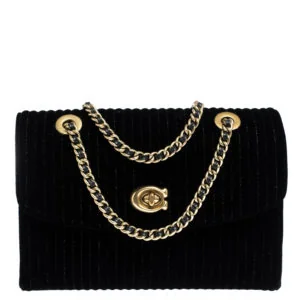
Coach Parker 18 is the clearest example of Coach stretching beyond its leather-goods comfort zone. This one comes in velvet, with a quilted pattern running through the body and a gold-tone C-shaped turnlock that reads more European ateliers than classic Coach. Handled in person, the quilting gives it a soft, almost pillowy structure that feels different from the stiffer leather satchels the brand is known for. The trade-off is durability: velvet shows wear and marks far more easily than the coated canvas or pebbled leather Coach usually relies on, so it’s a better going-out bag than a daily carry.
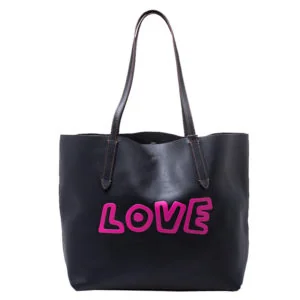
Coach x Keith Haring Shopper Tote came out of the Spring 2018 runway collaboration, and it’s aged better than most designer collabs do. Done in black leather with Haring’s “LOVE” graphic on the front, it reads as art-object as much as accessory. What I appreciate about this one is that Coach didn’t just slap a print on a basic tote. The scale of the graphic and the placement feel considered. It’s also one of the rare collab pieces that doesn’t scream “limited edition” so loudly that you feel silly carrying it three years later.
Disney x Coach Happy Clutch rounds out the statement group. This came from Coach’s third Disney collaboration, “The Dark Fairy Tale,” and features Happy from Snow White in coated canvas pink. It’s whimsical rather than edgy, and it’s honestly the most niche pick of the six. If you already love the Disney collabs, this is a fun, well-made little clutch you can tuck into a larger tote. If you’re not already a fan of character collaborations, it’s an easy one to skip.
The honest takeaway on this group: these bags are what generate the “trending Coach bags” headlines, and they’re genuinely fun to own. But collabs and directional pieces like the Parker 18 tend to have narrower resale audiences than Coach’s true classics, since demand depends heavily on whether that specific collaboration or trend still has cultural cachet a few years out.
Everyday Classics with a Modern Twist#
This is where Coach’s current collection actually earns its keep, and where I’d point most first-time buyers.
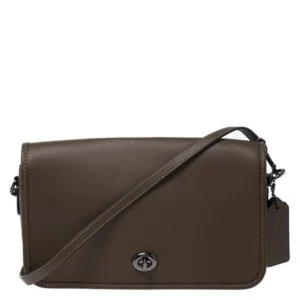
Coach Dinky is a personal favorite in the current lineup. Originally designed in 1973 and reintroduced through Coach’s “The Originals” collection in 2019, it carries the brand’s iconic turnlock front and center. What makes it work day-to-day is the detachable strap, which lets it switch between a clutch and a crossbody depending on the occasion. The proportions are compact without feeling too small to be useful, which is a balance a lot of “mini” bags get wrong.
Coach Grace Satchel takes the opposite approach: understated, structured, and built for people who want a bag that disappears into a work outfit rather than making a statement. The dowel hardware on top nods to Coach’s classic satchel silhouettes, and the interior is genuinely well organized, with slip and zip pockets that make it easy to keep a phone, cards, and keys from disappearing into a leather abyss. It’s not an exciting bag to talk about, but it’s the kind of bag you actually reach for on a Tuesday.
Coach Sadie Crossbody is the most quietly practical bag of the six. Compact but surprisingly roomy for its size, in black leather with a gold-tone brand label, it’s built for city errands and travel days when you don’t want to carry more than you need. The adjustable strap length is a small detail that matters more than it sounds. It’s Coach’s answer to the ubiquitous “everyday crossbody” that every brand now seems to make, and it holds its own against pricier competitors in that category.
Beyond these six, Coach’s current catalogue includes plenty of other worth-a-look styles, like the Tabby, Rambler, and Bowery, all of which lean into that same mix of Americana structure and modern proportions.
How to Choose the Right Coach Bag for Your Style#
Coach’s range is wide enough now that “which Coach bag should I buy” doesn’t have one answer. It depends on how you actually live.
- If you want a bag that photographs well and starts conversations, lean toward the statement pieces (Parker 18, collab totes). Accept that these are more special-occasion or capsule pieces than daily workhorses.
- If your priority is a reliable everyday bag that goes from desk to dinner, the Grace Satchel or Sadie Crossbody are better bets. Structured leather ages well and hides daily wear better than delicate fabrics.
- If you’re someone who switches bag styles depending on the day, the Dinky’s convertible strap makes it the most versatile single purchase of the six.
- If you’re drawn to collaborations because you genuinely love the artist or franchise, buy for that reason rather than resale speculation. Collab pieces like the Disney Happy Clutch are best bought because they bring you joy, not because you expect them to appreciate.
- If this is your first Coach bag, start with a classic silhouette in leather rather than coated canvas or a directional fabric. Leather ages into a patina; coated canvas and velvet show scuffs and edge wear faster.
A quick material note worth remembering: Coach uses a mix of full leather, pebbled leather, and coated canvas across its range, and the price and durability differences between those materials are real. If longevity matters more to you than trend-driven design, check the materials listing before you check the silhouette.
Are Coach Bags Worth the Investment?#
Here’s where I’ll be direct: Coach bags are not investment pieces in the way a [[[[Chanel Classic Flap](/buying-guides/chanel-flap-bag-buying-guide/)](/prices-and-value/chanel-classic-flap-bag-luxury-investment/)](/buying-guides/vintage-chanel-finds-top-picks/)](/buying-guides/designer-must-have-bags/) or a Hermès Birkin can be. They don’t have the scarcity, the waitlists, or the decades-long price appreciation history that drives true investment-grade resale. If someone’s telling you a Coach bag will “hold its value” the way a Birkin does, they’re overselling it.
What Coach does offer is a much lower barrier to entry into well-made leather goods, with construction quality that has genuinely improved since the Vevers era began. The hardware feels more substantial than it used to, stitching is tidier, and the leather sourcing on the mainline classics is a step up from the brand’s outlet-era reputation. On the resale market, Coach bags in excellent condition, especially collaboration pieces and discontinued classics like the Dinky reissue, do sell reasonably well on consignment platforms, but you should expect to recoup a portion of the retail price, not appreciate beyond it.
Pros:
- Noticeably improved leather and hardware quality since the design overhaul
- More accessible price point than the major European houses, which makes it a realistic “step up” bag
- Collaboration pieces have genuine collector interest and can resell better than mainline styles
- Classic silhouettes like the Dinky and Sadie are versatile enough to justify frequent use
Cons:
- Not a true investment category. Don’t buy expecting appreciation
- Fabric and coated canvas pieces show wear faster than leather
- Some collaboration pieces age out of relevance once the cultural moment passes
- Brand perception still carries some outlet-era baggage with certain shoppers, which can soften resale demand compared with houses that never diluted distribution
My honest read: buy Coach because you like the bag and the price makes sense for your budget, not because you’re chasing resale upside. If investment value is genuinely your goal, that budget is better spent moving up to Chanel, Louis Vuitton, or Hermès, even if it means buying pre-loved to get there.
FAQ#
Is Coach considered a luxury brand? Coach sits in the accessible luxury or “bridge” category rather than alongside houses like Chanel or Hermès. It uses genuine leather and improved construction, but its pricing and distribution are more accessible, which affects both perception and resale ceiling.
How can I tell if a Coach bag is authentic? Check the interior creed patch for a serial number, look for even, tight stitching, and inspect the turnlock or hardware for the correct weight and engraving. If buying secondhand, stick to reputable consignment platforms that authenticate before listing, since counterfeit Coach bags are common given the brand’s popularity.
What’s the typical price range for current Coach handbags? Mainline bags generally run from around $200 for smaller crossbodies to $600–900 for statement or collaboration pieces, with special materials like the Parker 18’s velvet sitting toward the higher end.
Where should I buy authentic Coach designer bags, new or secondhand? For new pieces, Coach’s own stores or authorized department stores are safest. For secondhand or discontinued styles like older Dinky colorways or past collaborations, choose an authenticated resale marketplace rather than unverified marketplace listings, since fakes are widespread at every price point.
Do Coach bags hold their value over time? Some do better than others. Collaboration pieces and reissued archive styles tend to hold value best, while basic mainline coated-canvas bags depreciate faster. None should be bought purely as a financial asset.
What is the most versatile Coach bag to start with? The Dinky, thanks to its detachable strap and manageable size, works across the widest range of occasions, which makes it a sensible first purchase if you’re testing whether Coach fits your personal style.
Related Articles#
- Why the Chanel Crossbody Bag Never Goes Out of Style
- 5 Most Popular Chanel Bags You Need to Know
- Popular Handbag Brands: Which One Is Right for You?
- How Pre-Owned Luxury Fashion Is Reshaping the Industry


Keyword index