Nike Air Max at 34: Why This Sneaker Still Matters#
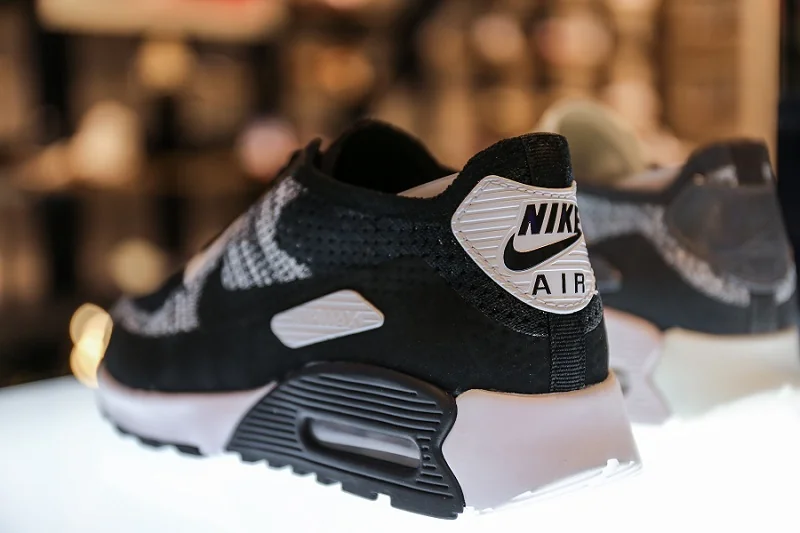
Every March 26, sneaker shops from Tokyo to London go quiet for about five minutes and then explode into chaos. That’s Air Max Day, the unofficial holiday Nike carved out in 2014 to mark the anniversary of a shoe that changed how footwear gets designed, marketed, and worn. In 2021, Nike Air Max Sneakers turned 34, and if you’ve spent any real time around sneaker culture, you already know this isn’t just corporate anniversary marketing. Few shoes have earned this kind of permanent cultural real estate.
I’ve bought, resold, and worn more Air Max pairs than I’d like to admit, and what strikes me every time is how a design built for distance running ended up defining streetwear instead. That’s the paradox at the center of this story, and it’s worth unpacking properly rather than just listing release dates.
The Engineer Nobody Wanted to Listen To#
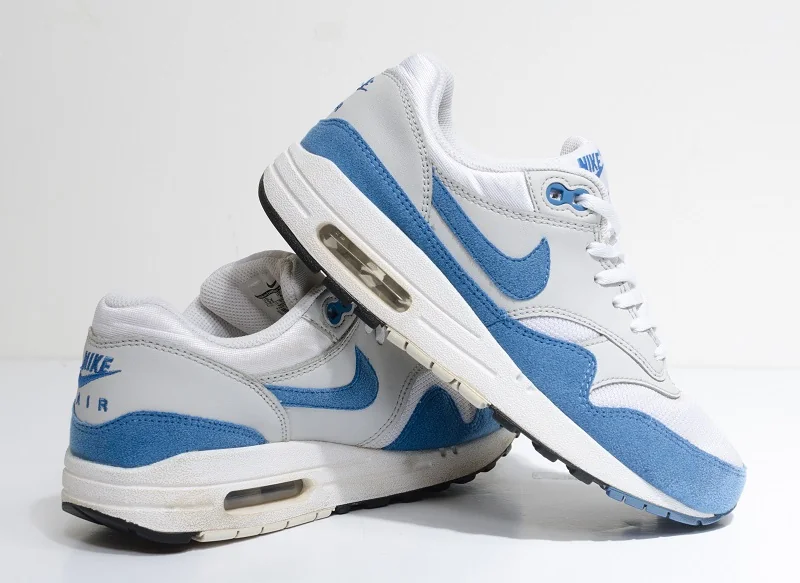
The Air Max story doesn’t start with a designer. It starts with an aerospace engineer named Marion Franklin Rudy, who had a fairly odd idea for the shoe industry in the 1970s: what if you took the pressurized gas encapsulation techniques used in aerospace and stuffed a little airbag into the midsole of a running shoe?
Rudy pitched this to twenty-three footwear companies. All twenty-three turned him down. That’s not a typo — it’s a useful reminder that even category-defining ideas usually get rejected first. He eventually got a meeting with Phil Knight, Nike’s co-founder, who was willing to actually test the concept rather than dismiss it on paper. The prototype worked, and in 1978 Nike released the Tailwind, the first running shoe with visible air cushioning built into the sole.
The Tailwind was produced in small numbers and sold out fast, but it wasn’t the finished product — it was proof of concept. The real cultural detonation was still almost a decade away.
Tinker Hatfield’s Gamble: The Original Air Max 1#
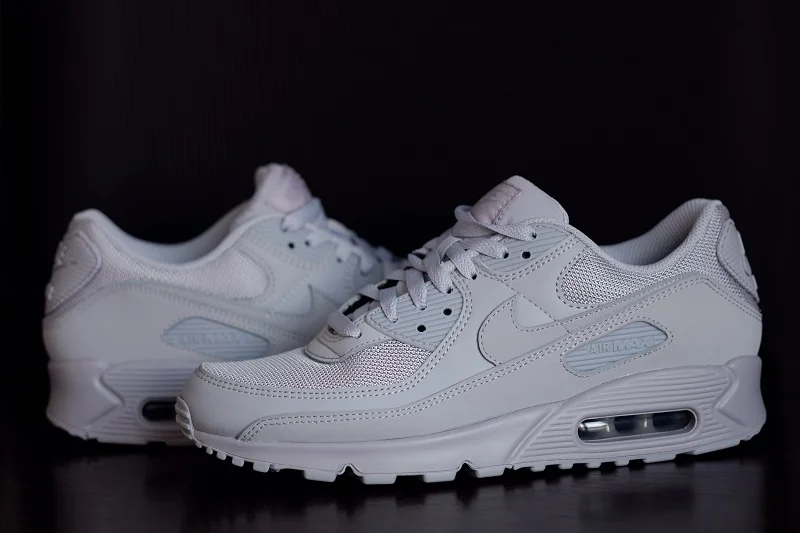
Tinker Hatfield is the name most sneakerheads associate with Nike’s design golden age, and for good reason. He’s the same designer behind the Air Jordan line and now serves as Nike’s Vice President for Design and Special Projects. But before any of that, he was a trained architect with an unusual reference point: the Centre Pompidou in Paris, a building famous for putting its structural guts — pipes, ducts, escalators — on the outside instead of hiding them.
Hatfield borrowed that inside-out logic for the Air Max 1, released in 1987. Instead of burying Nike’s Air cushioning inside the midsole where nobody could see it, he cut a window into the sole and let the airbag show. It sounds like a small move now, but at the time it was genuinely radical — no one had built a sneaker that treated its own technology as a design feature to be displayed rather than a mechanical detail to be hidden.
Context matters here too. The mid-80s were a period where consumers were actively rejecting the generic and the conventional across fashion, music, and product design. The Air Max 1 landed at exactly the right cultural moment, which is part of why it stuck rather than fading as a novelty.
From Air Max 90 to VaporMax: How the Silhouette Kept Reinventing Itself#
What makes the Air Max lineage interesting isn’t that Nike found one winning formula and repeated it — it’s that nearly every follow-up model made a genuinely different engineering or design bet.
- Air Max 90 (1990) enlarged the visible air unit and paired it with the now-iconic Infrared colorway. It remains one of the most re-released and reworked silhouettes in the entire catalog.
- Air Max 95 brought a layered, almost anatomical upper inspired by the human spine, a sharp departure from the cleaner lines of earlier models.
- Air Max 97 dropped the window entirely and introduced a full-length air unit running the length of the sole, along with a shinier, more futuristic upper that leaned hard into late-90s tech aesthetics.
- Air Max Plus / TN (1998) brought the wavy “tuned air” pods and gradient uppers, and became less of a running shoe and more of a cult streetwear object, particularly outside the US.
- Air Max 720, decades later, pushed the air unit to its largest volume yet, running the full length of the sole and up around the heel.
Not every experiment aged equally well. Some of these later models leaned so heavily into exaggerated silhouettes and max-volume air units that comfort and practicality took a backseat to visual statement. That’s a fair critique, not a knock on the brand’s ambition — but it’s worth knowing before you commit to a pair expecting classic Air Max 1 comfort.
How a Running Shoe Became a Streetwear Icon#
The Air Max 1’s visible air window did something no marketing campaign could have manufactured on its own: it turned technology into a status symbol. Once the shoe became something people wanted to be seen wearing rather than just running in, its trajectory shifted permanently away from the track and into everyday wardrobes.
Hip-hop culture, particularly in the UK and across Europe, adopted the Air Max Plus and 95 in ways Nike hadn’t fully anticipated, cementing the line as streetwear rather than strictly athletic gear. Collaborations, limited colorways, and deadstock resale culture followed naturally from there. Today, certain Air Max pairs trade on resale markets well above retail, though it’s worth being clear-eyed that [[[[resale value](/brands/saint-laurent-opyum-pumps-style-fit-resale-value/)](/buying-guides/luxury-resale-condition-grades-explained/)](/brands/celine-luggage-tote-guide-sizes-history-resale-value/)](/buying-guides/sneaker-trends-2025-styles-worth-the-hype/) on Air Max models is generally more modest and more volatile than what you’d see with Jordan 1s or Dunks — this is a line collectors buy for love of the design first, investment second.
Why March 26 Is Sacred to Sneakerheads#
Nike didn’t pick March 26 randomly — it corresponds to the release date of the original Air Max 1 prototype. Since establishing Air Max Day in 2014, Nike has used the date to drop new colorways, retro reissues, and occasionally entirely new silhouettes within the Air Max family.
For collectors, Air Max Day functions similarly to a controlled release event: it’s predictable enough to plan around, but competitive enough that popular colorways still sell out within minutes. It’s also become a useful entry point for newer sneaker fans to learn the line’s history, since Nike typically pairs releases with retrospective campaigns rather than treating it as a plain product drop.
The Last Word: Does Air Max Deserve the Hype?#
Thirty-four years in, Air Max’s relevance isn’t really about performance anymore — most serious runners have moved on to more specialized cushioning systems. Its relevance is cultural. It’s one of the rare sneakers where the underlying engineering story is genuinely compelling on its own, independent of hype or scarcity marketing.
That said, I’d be doing readers a disservice if I didn’t mention the practical tradeoffs. Visible air units are more prone to punctures and slow deflation over years of wear than fully encased midsoles. Sizing has also varied noticeably across different Air Max generations, so trying before buying (or at least checking model-specific sizing notes) is worth the extra step. And if you’re buying with resale value in mind rather than personal style, understand you’re buying into a design legacy more than a guaranteed appreciating asset.
None of that changes the fact that this is one of the few sneaker lines where you can trace a direct, documented line from an aerospace engineer’s rejected pitch to a shoe people still queue up for every March. That’s a rare kind of staying power.
FAQ#
When was the first Nike Air Max released? The Air Max 1 launched in 1987, designed by Tinker Hatfield. The underlying Air cushioning technology itself debuted earlier, in the 1978 Nike Tailwind.
Who invented Nike’s Air cushioning technology? Aerospace engineer Marion Franklin Rudy developed the concept and pitched it to Nike co-founder Phil Knight after it was rejected by twenty-three other shoe companies.
Why is March 26 called Air Max Day? March 26 marks the anniversary of the original Air Max 1 prototype’s release. Nike began officially celebrating the date in 2014 with new releases and retrospective campaigns.
What makes the Air Max 1 design significant? It was the first sneaker to expose its cushioning technology through a visible window in the sole, a concept Tinker Hatfield borrowed from the architecture of the Centre Pompidou in Paris.
Are Air Max sneakers good running shoes today? They’re better understood as lifestyle and streetwear staples at this point. Nike’s more specialized performance lines now handle serious running cushioning needs.
Do Air Max sneakers hold resale value? Some colorways and limited releases do appreciate, but resale demand for Air Max tends to be less consistent than lines like Air Jordan or Dunk. Buy for the design history first.
Related Articles#
- Designer Handbag Trends 2025: What’s Actually Worth Buying
- Popular Handbag Brands: Which One Is Right for You?
- Saint Laurent Opyum Pumps: Full Buying Guide & Review


Keyword index