Introduction#
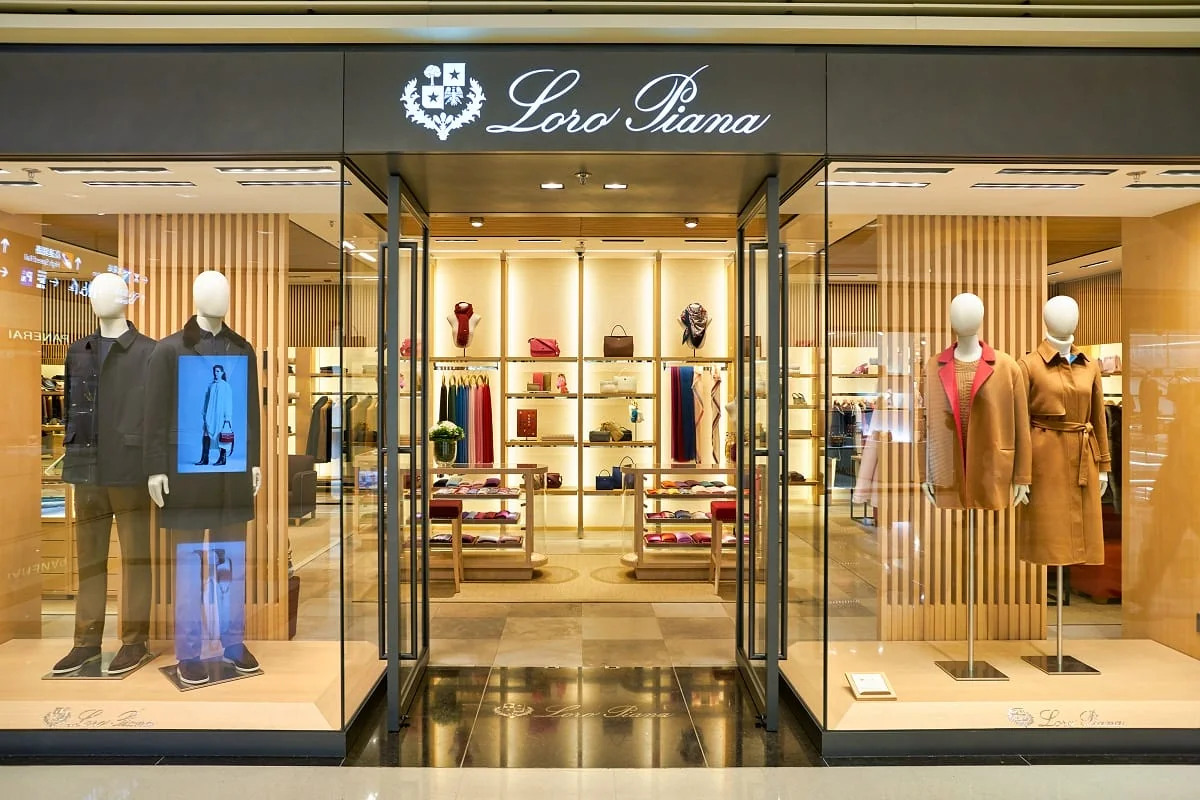
Loro Piana doesn’t chase trends, and that’s precisely the point. Founded in the early 1800s as a modest woolen mill in Piedmont, Italy, the house built its reputation one bolt of fabric at a time, long before “quiet luxury” became a marketing term borrowed from a menswear house’s back catalog. Six generations later, the family-run company still operates on the same premise: source the rarest natural fibers on earth, refuse to compromise on how they’re processed, and let the fabric speak instead of a logo.
That restraint is exactly why Loro Piana has become shorthand for old-money style. There’s no monogram canvas, no branded hardware shouting from across a room. What you’re paying for is the raw material itself, the milling process behind it, and a level of quality control most fashion houses outsource long before it reaches this standard. Having handled Loro Piana knitwear alongside pieces from other so-called “quiet luxury” labels, the difference is tactile within seconds. It’s the kind of quality that rewards close inspection rather than logo recognition, which is exactly why it appeals to buyers who’ve already owned the loud stuff and moved past it.
Loro Piana for Responsible Luxury#
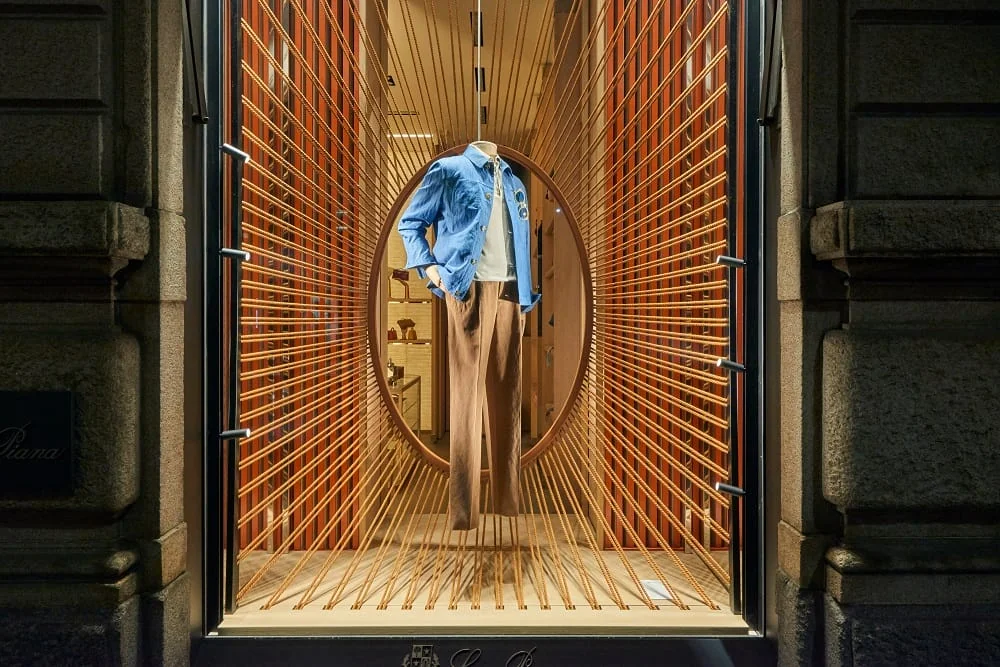
Loro Piana’s cashmere doesn’t come from just any goat. The house sources it from the Hircus goat, a breed native to Mongolia’s Gobi Desert that survives temperature swings most animals wouldn’t tolerate. That harsh climate is precisely what produces the exceptionally fine, soft undercoat the brand is known for. It’s a slower, costlier way to source cashmere than farming goats in a more temperate, accessible region, but Loro Piana has never taken the cheaper route when it compromises fiber quality.
The sourcing model is also unusually low-impact by industry standards. Herding requires minimal machinery, limited land disruption compared to mass ranching, and the goat population itself is naturally small, which keeps output deliberately limited rather than scaled for volume. This is part of why Loro Piana cashmere carries a premium price tag that has little to do with brand markup and a lot to do with genuine scarcity.
In 2015, the brand launched its Cashmere of the Year award, a program that financially rewards herders who raise the highest-quality fiber under sustainable, humane conditions. It’s a smart piece of supply chain engineering dressed up as an award: by incentivizing quality and responsible herding practices simultaneously, Loro Piana protects both the ecosystem its raw material depends on and the long-term relationships with the communities that supply it. For a brand this size, that kind of vertical accountability isn’t common, and it’s a legitimate point of difference when shoppers weigh Loro Piana against other self-described [[[[sustainable luxury](/brands/stella-mccartney-white-mini-falabella-tote/)](/brands/stella-mccartney-wild-cat-crossbody/)](/news/pre-owned-designer-fashion-beats-brand-greenwashing/) fashion](/sourcing-stories/sustainable-luxury-fashion-resale-vs-greenwashing/) labels that talk more than they document.
Vicuña: The Rarest Fiber in the World#
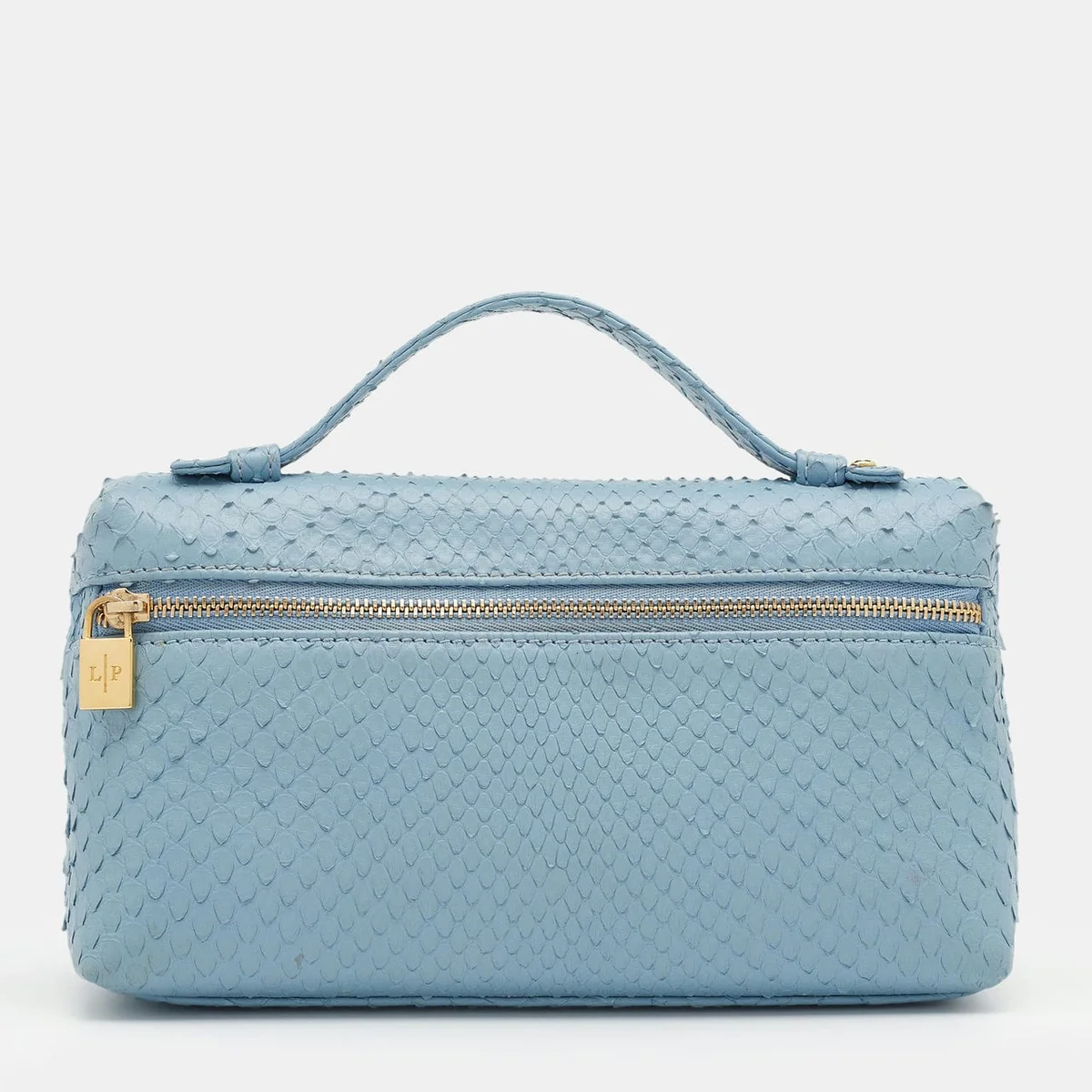
If cashmere is Loro Piana’s bread and butter, vicuña is its crown jewel. Harvested from a wild relative of the llama found in the high altitudes of the Andes, primarily across Peru, Bolivia, and parts of Argentina, vicuña fiber is finer than cashmere and produced in vastly smaller quantities. Each animal yields a tiny amount of usable fleece, and shearing can only happen once every two to three years.
Vicuñas were hunted close to extinction for their coats over the 19th and 20th centuries, which makes the current sourcing model worth understanding before you understand the price tag. In 1994, Loro Piana signed an agreement with the Peruvian government granting it exclusive rights to purchase vicuña fiber, on the condition that the animals are sheared alive and released, not killed. Peru also established its first nature reserve around this initiative, giving vicuña populations protected land to roam and recover. It’s one of the rare cases in luxury fashion where exclusivity and conservation are genuinely aligned rather than used as a marketing narrative.
None of this makes vicuña pieces cheap, and it shouldn’t. A vicuña coat or scarf reflects an animal welfare-conscious harvesting process, near-impossible scale limitations, and fiber so fine it’s often blended sparingly rather than used alone. If you’re comparing sticker shock between a Loro Piana cashmere sweater and a vicuña piece, that price gap is the scarcity talking, not the brand.
Artisanal Craftsmanship and Italian Tradition#
What separates Loro Piana from other “heritage” labels leaning on old logos is that the production side has stayed genuinely artisanal. This is still a family-run business, and that ownership structure shows up in decisions that a shareholder-driven company would likely cut for margin. Quality control happens at multiple stages of production, not just a final inspection, and Italian mills still handle much of the weaving, dyeing, and finishing in-house rather than farming it out to the lowest-cost subcontractor.
The manufacturing philosophy prioritizes hand-finishing on details that mass production typically automates: seam work, button attachment, and the kind of finishing touches that determine whether a coat holds its shape after fifty wears or twenty. It’s not flashy work, and that’s the point. You won’t see it advertised on a hangtag, but you’ll feel it in how a piece drapes after a year of regular wear compared to a fast-turnaround competitor.
The honest caveat here: this level of craftsmanship comes with production limits. Loro Piana doesn’t, and structurally can’t, produce at the volume of larger conglomerate-owned houses. That means less inventory, longer wait times on certain pieces, and fewer discounts or markdowns industry-wide, since the brand isn’t overproducing to begin with.
Signature Pieces: From Sweaters to Outerwear#
Loro Piana’s product range is intentionally narrow compared to a full luxury house, and that focus is a strength. Knitwear is the foundation of the brand’s reputation, particularly cashmere sweaters and cardigans that use minimal seaming and a soft, unstructured cut designed to feel more like a second layer of skin than a garment. This is where most first-time buyers start, and for good reason: it’s the clearest expression of what the brand’s raw material sourcing is actually for.
Outerwear is the other pillar. Loro Piana’s jackets and coats often use proprietary fabric technologies, like Storm System, a water-repellent finish applied to natural fibers without coating them in synthetic laminate, so the garment stays breathable and tactile rather than feeling like a technical shell. The brand’s suede and shearling jackets are similarly understated, favoring clean lines and neutral tones over anything directional.
Footwear and accessories, including the well-known Open Walk boat shoes and Summer Charms loafers, round out the range with the same philosophy: soft construction, muted palettes, and details built for longevity rather than seasonal relevance. Structurally, these pieces lean toward comfort-driven silhouettes rather than sharp tailoring, which is worth knowing if you’re used to a stiffer, more architectural shoe.
Is Loro Piana Worth the Investment?#
Here’s the honest answer: it depends on what you’re buying and how you plan to wear it. A Loro Piana cashmere sweater, properly cared for, will outlast several cycles of trend-driven knitwear from other luxury houses. The fiber quality genuinely holds up, and the minimal, logo-free design means a ten-year-old piece doesn’t look dated the way a heavily branded item from the same era might. For everyday luxury basics, the cost-per-wear math works in the brand’s favor over time.
Vicuña pieces are a different calculation entirely. You’re paying largely for scarcity and provenance, and while that holds resale interest among serious collectors who understand what they’re looking at, the buyer pool is narrower than for cashmere or leather goods. Don’t expect a casual resale platform to reflect the true value; specialist buyers and knowledgeable collectors are where vicuña holds its worth.
On resale generally, Loro Piana performs well but not spectacularly compared to a Hermès Birkin or a Chanel flap bag, categories that benefit from decades of documented appreciation. Loro Piana’s resale strength comes from consistent demand for its neutral, wearable pieces rather than speculative hype. That’s a legitimate investment case, just a quieter one, in keeping with the brand itself.
The downside worth naming: without a logo to signal value at a glance, resale buyers rely heavily on fabric quality and condition to judge worth, which means damaged or poorly stored pieces lose value faster than with more recognizable brands.
Buying Advice: How to Shop Loro Piana Smartly#
If you’re buying new, start with knitwear or a Storm System jacket rather than a vicuña piece for your first purchase. It’s the most representative introduction to the brand’s fiber quality and the easiest category to judge cost-per-wear on. Try pieces on in person if you can; Loro Piana’s fits run generous and unstructured, which some buyers love and others find shapeless compared to more tailored competitors.
For pre-owned shopping, authentication is less about logo details, since there mostly aren’t any, and more about fabric hand-feel, weave density, and stitching consistency. Buy from platforms or resellers who specialize in luxury authentication rather than general marketplaces, and always ask for close-up photos of interior tags, care labels, and seam finishing. Genuine Loro Piana cashmere has a distinct softness that’s difficult to fake convincingly in photos, so requesting a video or in-person viewing is worth the extra step on a high-value piece.
For collectors thinking about resale value, prioritize neutral colorways and classic silhouettes over seasonal collaborations or bold colors; the brand’s resale demand skews conservative. Coats, cashmere knitwear, and Storm System outerwear tend to hold value better than accessories or footwear, which see more inconsistent secondary demand. And if vicuña is the goal, buy from Loro Piana directly or an authorized retailer rather than resale, given how thin and specialized that secondary market currently is.
Frequently Asked Questions#
Is Loro Piana more expensive than other cashmere brands, and why? Yes, generally. The premium reflects the sourcing method (Hircus goats in harsh Mongolian conditions), limited supply, and Italian-based production rather than brand markup alone.
What makes vicuña so much pricier than cashmere? Vicuña fiber is finer, shearable only every two to three years, and sourced under strict conservation agreements that limit annual yield far more than any cashmere supply chain.
Does Loro Piana hold resale value? Reasonably well for classic knitwear and outerwear in neutral tones, though not at the same appreciation rate as heavily branded handbag icons. Vicuña resale is strong but limited to a specialist buyer pool.
How can I tell if a Loro Piana piece is authentic? Focus on fabric quality, interior tag details, and stitching consistency rather than logos, since the brand deliberately avoids visible branding. Buying from authenticated resellers is the safer route for pre-owned pieces.
Is Loro Piana considered a sustainable luxury fashion brand? It has stronger sustainability credentials than most luxury houses, particularly through its Cashmere of the Year program and the vicuña conservation agreement with Peru, though it’s not a fully transparent supply chain by modern sustainability certification standards.
Related Articles#
- Why the Chanel Crossbody Bag Never Goes Out of Style
- Popular Handbag Brands: Which One Is Right for You?
- Classic and Chic Handbags: Timeless Style Icons


Keyword index