Introduction#
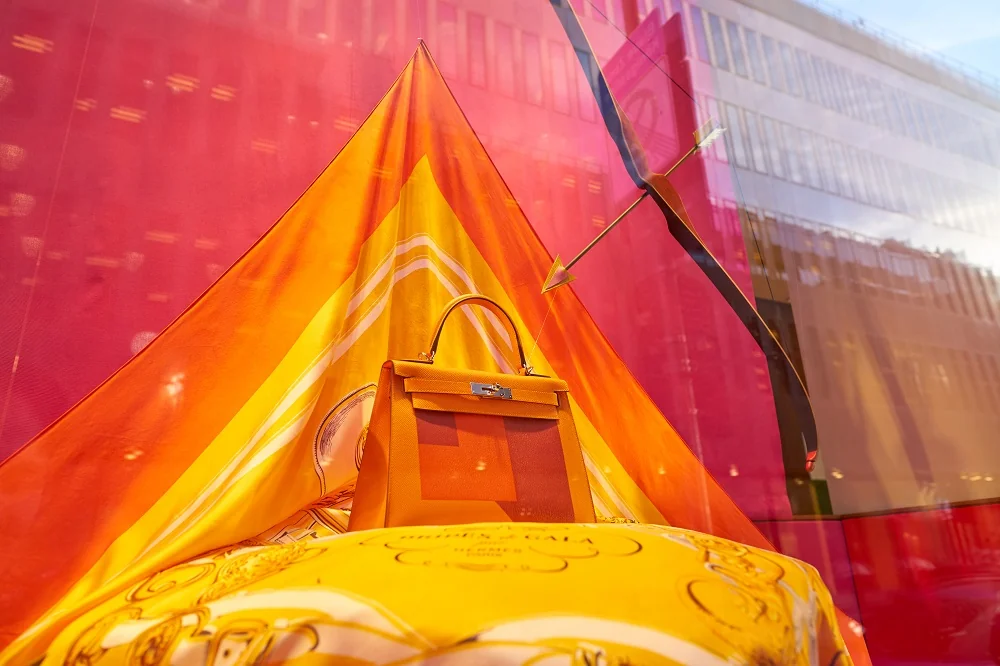
Few handbags carry the weight of both fashion history and financial logic quite like the [Hermès Kelly](/prices-and-value/hermes-birkin-prices-2025-where-to-buy/) and Birkin. Ask any seasoned collector why these two bags command five-figure price tags and waitlists that stretch across years, and you’ll get the same answer: it’s not hype, it’s decades of consistent craftsmanship, scarcity by design, and a cultural mythology that neither Hermès nor its competitors have managed to replicate.
I’ve spent years handling, researching, and writing about these bags, and I still think most buyers approach them the wrong way. They ask “which one is more popular” instead of “which one fits how I actually live.” This guide breaks down where each bag came from, how they differ in real, practical terms, and what you genuinely need to know before spending Kelly or Birkin money.
The Kelly: From Sac à Dépêches to Grace Kelly’s Signature#
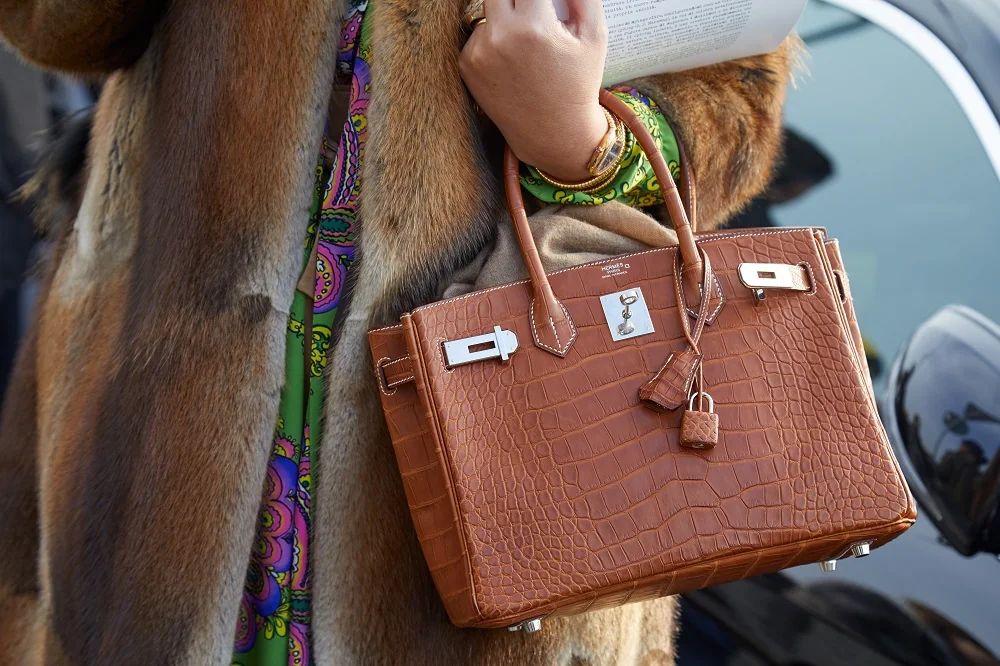
The Kelly wasn’t always the Kelly. Hermès introduced it in 1935 as the Sac à Dépêches, a structured saddle-inspired bag built for practicality rather than red carpets. It sat quietly in the Hermès catalogue for two decades until Grace Kelly changed its trajectory entirely.
In 1956, the newly minted Princess of Monaco was photographed holding the bag in front of her body, reportedly to shield a pregnancy from photographers. That single image, syndicated across magazines worldwide, did more for the bag than any marketing campaign could have. Demand surged, shoppers started calling it “the Kelly bag” in stores, and in 1977 Hermès made it official, renaming the Sac à Dépêches in her honor.
What most people don’t realize is that “the Kelly” isn’t one bag, it’s two distinct constructions, and the difference actually matters for daily use:
- Sellier: Structured, sharp-edged, stitching visible on the exterior. This is the architectural version, closer to the bag’s original saddle-making roots. It holds its shape beautifully but is less forgiving if you overpack it.
- Retourne: Softer, rounder, with the seams turned inward so the exterior looks smoother. It’s more relaxed, slouches slightly with wear, and is generally more comfortable to carry against the body.
The Kelly has since spun off into clutches, wallets, mini sizes, and even a bucket silhouette, but the Sellier vs Retourne distinction remains the one every serious buyer should understand before choosing.
The Birkin: Born from a Chance Encounter#
The Birkin’s origin story is one of the few in luxury fashion that actually happened the way it’s told. In 1984, actress and singer Jane Birkin sat next to Jean-Louis Dumas, then Hermès’ Executive Chairman, on a flight from Paris to London. Her straw bag spilled its contents in the aisle, and she complained, half-joking, that she’d never found a leather bag roomy enough for a young mother’s essentials. Dumas sketched a solution on an airsickness bag right there. The Birkin was born from that napkin-sketch practicality, not from a design brief.
What’s followed is arguably the most successful piece of unplanned marketing in fashion history. Celebrities didn’t just wear the Birkin, they collected it obsessively. [Victoria Beckham](/brands/victoria-beckham-clothing-buying-guide/) is widely reported to own well over 100. Kate Moss famously used hers as a diaper bag, which tells you something about how differently people treat a $10,000+ object once it’s actually theirs. Drake has spoken about stockpiling them, and Kylie Jenner reportedly has an entire closet dedicated to the collection. None of this was orchestrated by Hermès, and that’s precisely why it worked.
Kelly vs Birkin: Key Differences#
Strip away the mythology and the two bags are genuinely different tools, not just different aesthetics.
- Handle structure: The Kelly has a single top handle plus a detachable shoulder strap, making it more versatile for hands-free carrying. The Birkin has two short top handles and no strap, so it’s handheld or forearm-carried only.
- Silhouette: The Kelly is trapezoidal, narrower at the base, with a flat front flap that closes with a strap and turn-lock. The Birkin is boxier and more rectangular, with a fold-over flap secured by the signature lock-and-key closure.
- Everyday practicality: This is where opinions diverge, and I’ll give you mine honestly. The Birkin’s open-top-then-flap design makes it slightly easier to access quickly. The Kelly’s structure, especially in Sellier, forces more discipline in how you pack it, but rewards you with a silhouette that photographs better on the shoulder. If you’re commuting, standing on trains, or need a free hand, the Kelly’s strap option wins. If you want maximum visual presence in a static setting, the Birkin edges it.
- Perceived formality: The Kelly reads slightly more “old money conservative,” the Birkin slightly more “look at what I’m carrying.” Neither is objectively better, they signal differently.
Why These Bags Hold (and Grow) Their Value#
This is the part collectors actually care about, and it’s worth being precise rather than promotional. Hermès deliberately restricts production of both bags, no factory expansion, no mass output, regardless of demand. That artificial scarcity, combined with a retail allocation system where you often can’t simply walk in and buy one, has created a secondary market where certain Birkins and Kellys resell above their original retail price.
Exotic skins (crocodile, alligator, lizard) in rare colorways see the sharpest appreciation, sometimes doubling or tripling retail depending on condition and hardware. Classic leathers like Togo or Epsom in neutral colors hold value well but are less likely to appreciate dramatically, they’re stable stores of value rather than aggressive investments.
The honest caveat: not every Kelly or Birkin appreciates. A well-worn Retourne in a common color and standard leather will often resell below retail once you account for wear and the retailer’s margin. The “Hermès bags are always a great investment” line gets repeated constantly, but it’s true mainly at the higher end of rarity, not universally.
Buying Advice: Choosing Your First Kelly or Birkin#
If this is your first Hermès bag, here’s what I’d actually tell a friend, not a sales pitch.
On sizing: The 25 and 30 are the most versatile everyday sizes for both bags. The 35 and 40 are roomier but genuinely heavy once loaded, don’t buy a 40 assuming you’ll “grow into” carrying it comfortably. Try both in person if you can; photos flatten proportions.
On leather: Togo is the practical choice, scratch-resistant and forgiving for a first bag carried daily. Epsom is structured and holds shape well but shows scuffs on corners more visibly. Box calf and Swift are more delicate and better suited to occasional use rather than daily rotation.
On where to buy: Walking into an Hermès boutique and simply purchasing a Kelly or Birkin off the shelf is rare; most buyers build a purchase history with a store over time before being offered one. Reputable resale platforms and consignment specialists are realistic alternatives, but authentication matters enormously here.
Downsides worth knowing: The waitlist process can feel opaque and frustrating. The bags are heavier than they look once you’re carrying daily essentials. And because counterfeiting at this price point is sophisticated, buying secondhand without expert authentication is a real risk, not a theoretical one.
FAQ#
How much do the Kelly and Birkin cost at retail? Entry-level leather Kelly and Birkin bags in standard sizes typically start in the $10,000–$12,000 range, with exotic skins and larger sizes climbing well beyond that.
Why is there a waitlist, and can I just ask for one? There’s no official public waitlist. Availability is generally tied to your purchase relationship with a specific Hermès boutique, which is why buyers often purchase other Hermès items first.
Is the Birkin really a better investment than the Kelly? Not definitively. Rare exotic Birkins have shown stronger resale appreciation historically, but a rare exotic Kelly performs similarly. Standard leather versions of both are stable rather than spectacular investments.
How do I know if a secondhand Kelly or Birkin is authentic? Check stitching consistency, hardware stamping, blind stamp date codes, and leather grain. For anything above a few thousand dollars, use a professional authentication service rather than relying on visual comparison alone.
Which bag should a first-time buyer choose? If you want versatility and hands-free carrying, the Kelly. If you want maximum visual impact and don’t mind handheld-only carrying, the Birkin. There’s no wrong choice, only the wrong choice for your lifestyle.
Related Articles#
- Hermès Leathers Guide: Togo, Epsom, Exotic Skins Explained
- Exotic Skin Handbags: What You’re Really Paying For
- Top ‘It’ Bags Worth Buying in 2024: Investment Guide
- How Pre-Owned Luxury Fashion Is Reshaping the Industry
Related guides
- Online Bag Authentication: What Photos Can and Cannot Prove
- Fake Goyard Bag Guide: How to Spot Real vs Fake (2026)
- How to Spot a Fake Chanel Flap Bag: Authentication Guide
- How to Spot a Fake Hermès Birkin: Expert Checklist
- How to Buy an Authentic Luxury Bag from China Safely
- New vs Pre-Owned Luxury Bags: Which Route Is Right for You?
- Chanel Bag Guide: What to Know Before You Buy
- Luxury Bag Houses


Keyword index