Introduction#
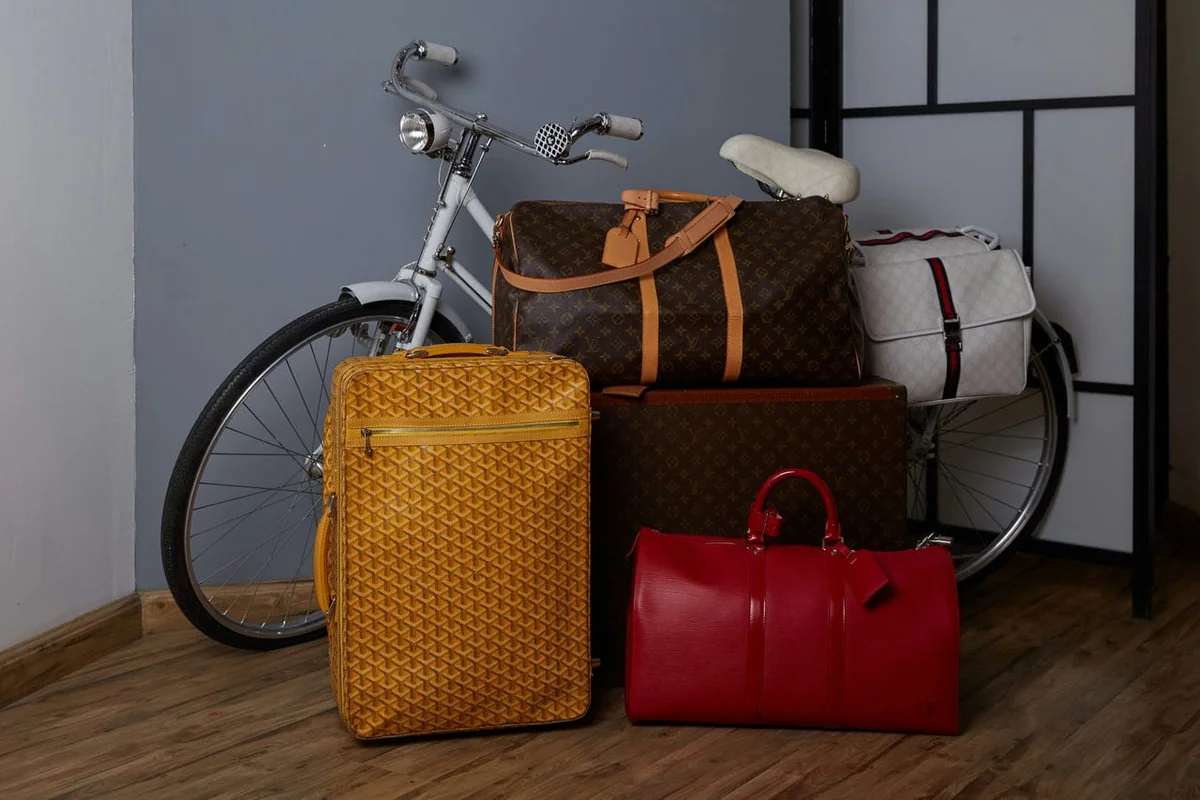
The handbag’s origin story doesn’t start on a runway. It starts in the 14th century, tucked into the belts of medieval travelers who needed somewhere to stash coins, keys, and the occasional relic on long journeys. That’s a strange starting point for what eventually became one of the most fiercely tracked, resold, and speculated-upon categories in luxury fashion, but it’s the truth. The history of handbags is really a story about mobility, independence, and status, and it took roughly five centuries for a practical pouch to become a five-figure investment piece with a waiting list attached.
I’ve spent years handling, authenticating, and reselling [designer handbags](/brands/top-tory-burch-handbags/), and what strikes me most is how much of that early functional DNA is still visible in bags being sold today. The hardware, the structured silhouettes, the obsession with closures that actually work — all of it traces back further than most shoppers assume. Understanding that lineage doesn’t just satisfy curiosity. It’s genuinely useful if you’re trying to figure out why certain bags hold value and others don’t.
From Travel Necessity to Fashion Object#
The handbag as we’d recognize it today didn’t really take shape until the 1800s, and the catalyst wasn’t fashion at all. It was the train.
The Industrial Revolution made long-distance travel accessible to a much wider population, and with railway travel came a very specific, very mundane problem: passengers needed somewhere secure to keep tickets, papers, and small valuables that wasn’t buried in a trunk stowed away in the luggage car. Larger luggage — trunks, cases, hatboxes — already existed, but none of it was designed for something you needed to reach quickly and repeatedly during a journey.
That gap created the leather handbag as a distinct category. Early versions were essentially miniature trunks: built with the same buckles, straps, locks, and heavy leather-and-metal construction as the larger luggage sets they were modeled after. This is worth sitting with for a second, because it explains a lot about why certain heritage houses still build bags the way they do. The hardware-heavy, saddlery-inspired construction you see in a Hermès Kelly or a Louis Vuitton trunk-adjacent design isn’t a stylistic flourish. It’s a direct descendant of luggage engineering.
Once these smaller bags were in production, they found an audience beyond just train passengers. Doctors making house calls, traveling professionals, and anyone who needed to carry documents on the move adopted them for the same reason travelers had: they were functional in a way nothing else on the market was.
Independence and the Birth of the Designer Handbag#
The shift from “useful object” to “fashion object” tracks almost exactly with women’s growing social and economic independence in the early 1900s. As women gained more freedom to move through public life on their own terms, the need to carry personal items — money, cosmetics, correspondence — stopped being incidental and started being a daily reality. A bag that had been a travel accessory became a personal one, and that’s the moment the designer handbag industry, as a concept, was born.
Hermès entered this story in 1922, when the French saddlery house — already established for its equestrian leather goods — introduced its first handbag. That single product launch is worth pausing on, because it set a precedent that still defines the luxury handbag category today: a house built on functional, technical leather craftsmanship applying that same rigor to a fashion object. It’s why Hermès handbag history is inseparable from the brand’s saddlery roots, and why bags like the Kelly and Birkin are still discussed in terms of their construction, not just their branding.
Hermès has since become one of the most recognizable names in luxury leather goods, with waiting lists stretching up to six months for its most in-demand styles — a scarcity model that, whether intentional or not, has done wonders for resale value. The house also holds the record for the most expensive handbag ever sold at auction: the Diamond Himalaya Birkin, which fetched over $400,000 USD when it went under the hammer in 2017. I’d flag one honest caveat here for anyone using that headline number to size up the market: auction records like this are outliers, driven by rare exotic skins and diamond hardware, not a reflection of what a “normal” Birkin resells for. Don’t let one record sale set your expectations for the category as a whole.
Decades of Change: War, Boom, and Bold Design#
Handbag design has always moved in step with whatever was happening culturally and economically, which makes it a genuinely useful lens for reading 20th-century history.
1940s — Wartime scarcity. During the world wars, shortages of metal and leather pushed designers toward canvas and cotton construction. Bag sizes also grew, largely out of necessity, as women started carrying practical items like gas masks. This is a good example of how material history isn’t just trivia — it explains why certain wartime-era pieces are prized by collectors today for their scarcity and improvised materials, even though they’re far from the most “luxurious” bags of their era.
1950s–60s — Post-war boom and shrinking, richer silhouettes. As Western economies recovered and boomed, handbags became more decadent again. Interestingly, sizes shrank even as the materials and craftsmanship became more elaborate — a sign that the bag was shifting from a carry-everything necessity to a considered accessory.
1960s — Pop culture takes the wheel. Design started responding directly to broader cultural movements, from pop art to the emerging ecology movement. This decade cemented the handbag as a class and identity signal rather than a purely practical item. Women of established status, like the Queen of England and Margaret Thatcher, favored the same kind of piece: structured, oblong, clasp-closed leather bags that projected authority and consistency. Meanwhile, actresses, models, and musicians used bag choice — shape, color, material — as a way to signal everything from personal style to political stance.
What I find most useful about this decade-by-decade view is that it shows the handbag was never a static object. Every material shortage, economic shift, and cultural movement left a fingerprint on design, and those fingerprints are exactly what collectors are chasing when they hunt for a piece from a specific era.
The Handbag as Status Symbol and Investment#
By the time you reach the late 20th century, the handbag had fully completed its transformation from travel accessory to status object, and that status has increasingly translated into hard investment value.
This is where I’d separate hype from reality, because it matters if you’re spending real money. Certain designer handbags genuinely do hold or appreciate in value — the Hermès Birkin and Kelly are the clearest examples, with well-documented cases of specific colorways and leathers outperforming stock market benchmarks over long holding periods. Chanel’s classic flap and Louis Vuitton’s most iconic silhouettes also tend to retain strong resale value, particularly in sought-after sizes and hardware finishes. But this is not universal. A huge number of designer bags, including plenty from the same houses, depreciate the moment they leave the boutique and never really recover. Limited editions, discontinued colors, exotic skins, and pieces tied to a specific cultural moment tend to perform best. Trend-driven “it bags” from a decade ago are, more often than not, sitting in resale marketplaces at a fraction of their original price.
Condition, documentation, and rarity matter more than brand name alone. I’ve seen well-loved, honestly-priced pre-owned bags outperform pristine new releases simply because the model was discontinued or the leather is no longer produced. If you’re buying with resale or investment in mind, research the specific model and material history, not just the logo.
Frequently Asked Questions#
When did handbags first appear? The earliest handbag-like accessories date back to the 14th century, when travelers used small pouches attached to belts to carry coins and valuables. The modern handbag, however, took shape in the 1800s alongside the rise of train travel.
Why did the modern handbag develop in the 1800s? Railway travel created a specific need: passengers wanted quick access to tickets and documents without digging through larger luggage. This demand led to the development of the leather handbag as a standalone accessory, distinct from trunks and cases.
What was the first designer handbag? While several houses were producing leather goods earlier, Hermès’ 1922 handbag launch is widely regarded as a landmark moment in designer handbag history, applying the brand’s saddlery craftsmanship to a fashion-forward accessory.
What is the most expensive handbag ever sold? The Hermès Diamond Himalaya Birkin holds the auction record, selling for over $400,000 USD in 2017. It’s worth noting this is an extreme outlier driven by rare crocodile skin and diamond hardware, not representative of typical Birkin resale prices.
Are designer handbags actually a good investment? Some are. Hermès Birkins and Kellys, along with select Chanel and Louis Vuitton pieces, have a strong track record of holding or increasing in value, especially in rare colors, leathers, and discontinued models. Many other designer bags depreciate after purchase, so this depends heavily on the specific model, condition, and market demand rather than the brand name alone.
How did wars and economic shifts affect handbag design? Material shortages during the world wars pushed designers toward canvas and cotton, with bags growing larger for practical wartime use. The post-war economic boom of the 1950s and 60s reversed that trend, bringing smaller sizes but richer materials and more elaborate craftsmanship.
Related Articles#
- Classic and Chic Handbags: Timeless Style Icons
- How Pre-Owned Luxury Fashion Is Reshaping the Industry
- Chanel Flap Bag Buying Guide: Sizes, Prices & Deals
- Why the Chanel Crossbody Bag Never Goes Out of Style
Related guides
- Online Bag Authentication: What Photos Can and Cannot Prove
- Fake Goyard Bag Guide: How to Spot Real vs Fake (2026)
- How to Spot a Fake Chanel Flap Bag: Authentication Guide
- How to Spot a Fake Hermès Birkin: Expert Checklist
- How to Buy an Authentic Luxury Bag from China Safely
- New vs Pre-Owned Luxury Bags: Which Route Is Right for You?
- Chanel Bag Guide: What to Know Before You Buy
- Luxury Bag Houses


Keyword index