Introduction: Hermès, the Epitome of Luxury#
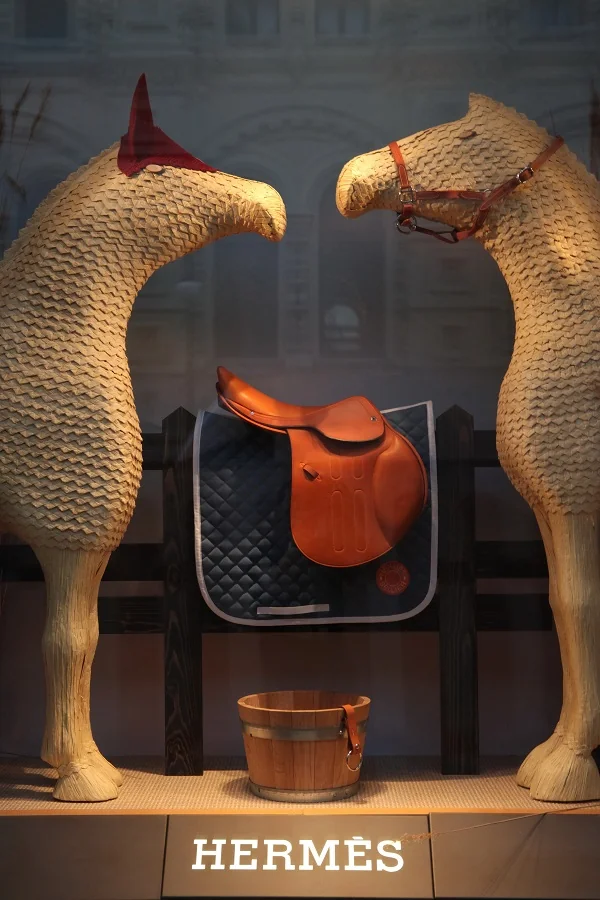
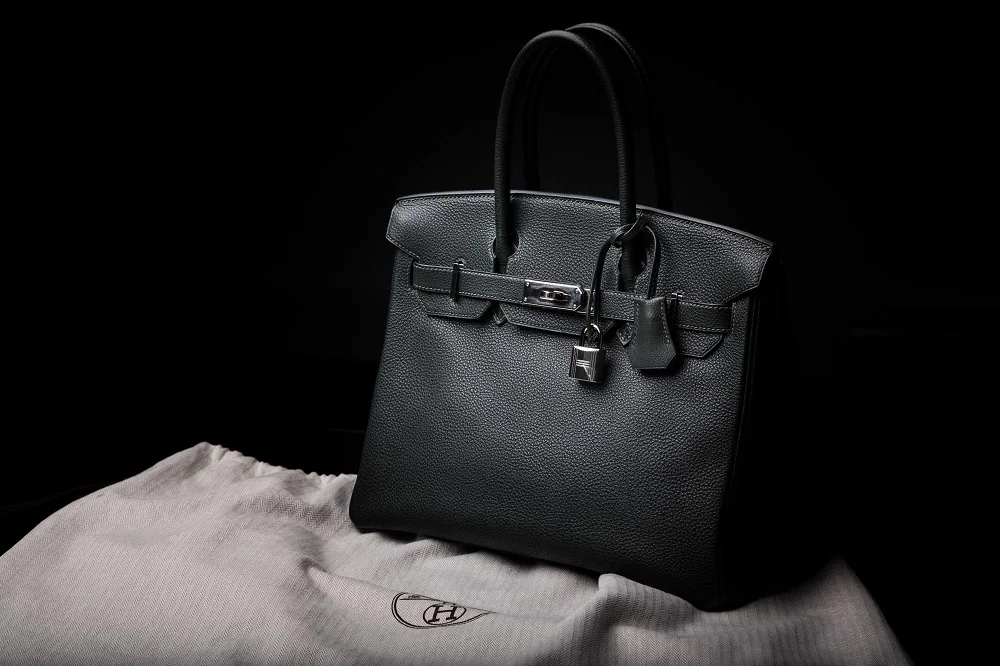
Ask anyone who has tried to buy a Birkin bag through official channels, and you’ll hear the same story: years on a phantom waitlist, a sales associate who mysteriously never has “the one,” and a purchase history that somehow matters more than your bank balance. That frustration is, oddly enough, part of the appeal. Hermès has built an $18 billion-plus business less on advertising than on scarcity, craftsmanship, and a refusal to rush.
I’ve spent enough time in this industry to know that most “heritage brand” stories are marketing fluff dressed up as history. Hermès is one of the rare exceptions where the history actually explains the product you’re paying for today. The stitching, the leather sourcing, the reason a Birkin costs what it costs and takes years to acquire — it all traces back to a 19th-century Parisian harness maker who never intended to build a fashion empire at all.
This is the real history of Hermès: how a family workshop making bridles for European aristocrats became the benchmark for luxury craftsmanship, and why understanding that lineage matters if you’re buying — or reselling — a piece today.
1837: Thierry Hermès Founds a Harness Workshop#
Thierry Hermès opened his workshop in Paris in 1837, and the business had nothing to do with handbags. It made harnesses, bridles, and riding equipment for European noblemen who needed gear that could withstand hours in the saddle without falling apart. This is a detail worth sitting with: Hermès’ entire design philosophy — durability over decoration, function dictating form — was forged in equestrian craftsmanship, not fashion.
Thierry’s harnesses won awards at the Paris Exposition, and the workshop’s reputation grew on the strength of one thing: the leather work held up. That single-stitch saddle technique, still used by Hermès artisans today, was developed specifically so a harness wouldn’t unravel mid-ride. It’s the same stitch you’ll find on a Birkin bag handle.
Hermès Heritage Timeline — Early Years
- 1837 — Thierry Hermès founds his harness workshop in Paris
- 1880 — Charles-Émile Hermès moves the House to 24 Rue du Faubourg Saint-Honoré, its address to this day
- Late 1800s — Hermès becomes the go-to saddler for European aristocracy and, later, the automobile-era elite
In 1880, Thierry’s son Charles-Émile relocated the workshop to 24 Rue du Faubourg Saint-Honoré. That address isn’t a footnote — it’s the flagship store today, and the fact that Hermès has occupied the same building for over 140 years tells you everything about how this brand thinks about permanence versus trend.
1922: The Birth of the First Hermès Handbag#
The leap from saddlery to handbags wasn’t a strategic pivot. It was, by most accounts, a favor. Émile Hermès — Thierry’s grandson — made the first Hermès bag by hand in 1922 after his wife complained she couldn’t find a bag that actually worked for her needs. That’s the entire origin story of the handbag division: no market research, no trend forecasting, just a craftsman solving a problem for someone he knew.
What made that bag notable wasn’t just that it existed — it’s that Émile had discovered zippers on a trip and brought the mechanism back to France, where it was essentially unknown. Hermès patented its version, and for a period, zippers were referred to in Europe as “Hermès fasteners.” That’s a useful reminder of something people forget about heritage houses: they weren’t always the establishment. At the time, Hermès was the disruptor bringing foreign hardware innovation into French fashion.
Émile’s personal collecting habit — art, books, objects picked up on his travels — became a permanent design resource for the House, and Hermès still references his archive for inspiration decades later. It’s a genuinely unusual model: most brands hire trend consultants; Hermès mines its own founder’s suitcase.
Robert Dumas and the Creation of Hermès Icons#
When Émile Hermès died, leadership passed to his son-in-law Robert Dumas, and this is arguably the era that built the Hermès you recognize today. Dumas didn’t just manage the business — he designed the pieces that still define it.
The Kelly bag started life in the 1930s as the “Sac à dépêches,” a structured top-handle bag with a flap closure and belt straps. It didn’t get its current name until the 1950s, after actress Grace Kelly was photographed carrying one to shield her pregnancy from paparazzi. Dumas also created the Chaîne d’ancre bracelet in 1938, inspired by anchor chain links he saw on a boat — a design so simple it’s stayed in continuous production for nearly 90 years, which in fashion terms is basically forever.
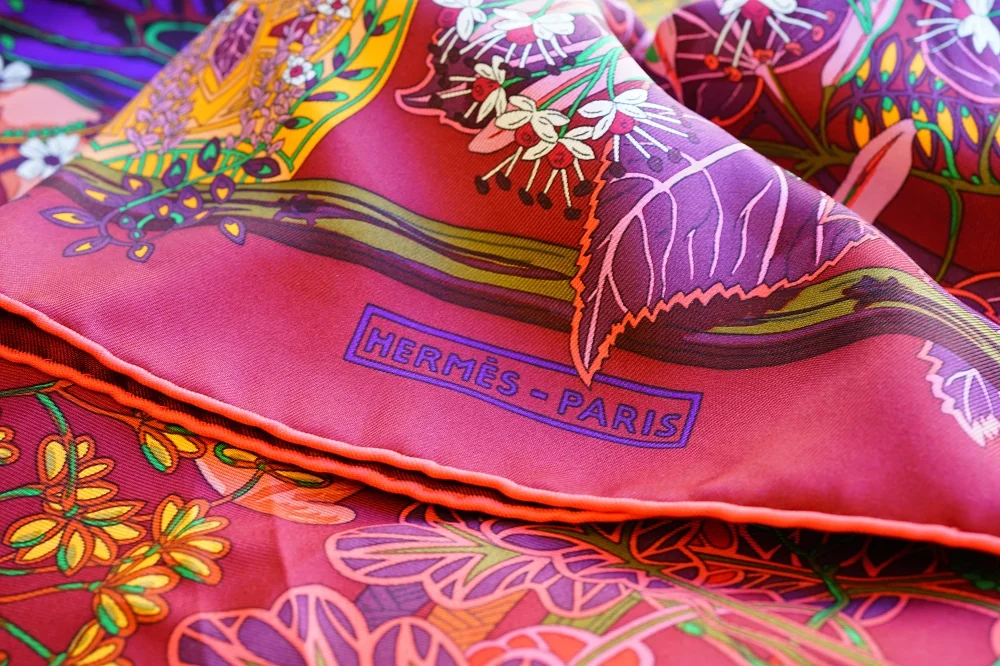
Then there are the silk scarves. Hermès claims one carré sells somewhere in the world every 20 seconds, and while I can’t independently verify that stat, having watched the scarf counter at the Faubourg Saint-Honoré boutique on a Saturday, I don’t doubt it. Each scarf takes months to design and print using techniques barely changed since the 1930s.
What Dumas understood, and what a lot of luxury brands still get wrong, is that an icon isn’t manufactured through hype — it’s earned through decades of a design simply not being improved on.
Jean-Louis Dumas and Hermès’ Global Expansion#
Robert’s son Jean-Louis Dumas took the reins and did what his predecessors hadn’t: he turned a respected French leather house into a global luxury conglomerate. Under his leadership, Hermès expanded into ready-to-wear, fragrance, and international retail, moving well beyond its Parisian roots.
The most consequential moment of his tenure, though, was a chance flight. In 1984, Jean-Louis Dumas sat next to actress and singer Jane Birkin, whose straw bag spilled its contents in front of him. She reportedly complained she could never find a leather weekend bag that actually worked for her life. He sketched a solution on the spot — a spacious, structured tote with the same saddle-stitching heritage — and named it after her.
It’s worth noting that the Birkin’s mythology (six-year waitlists, six-figure resale prices on rare skins) is a modern invention. In 1984, it was simply a practical bag designed for a working mother who needed to travel light with a baby. The scarcity narrative built up around it later, largely as a byproduct of deliberately limited production rather than manufactured hype — though I’d argue Hermès has since leaned into that scarcity as a business strategy, and it’s fair to be a little cynical about that.
Why Hermès Remains a Top Investment Today#
Here’s where the history actually pays off for anyone buying with [resale value](/buying-guides/sneaker-trends-2025-styles-worth-the-hype/) in mind. Hermès’ investment credentials aren’t a marketing angle — they’re a direct consequence of decisions made decades ago: limited production capacity, in-house tanneries, artisan training that takes years, and a refusal to mass-produce even as demand has exploded.
A few honest observations from watching this market closely:
- Classic bags hold value better than trend pieces. Birkins and Kellys in neutral leathers (black, gold, étoupe) in Togo or Epsom leather consistently outperform seasonal colors or limited runs at resale. Exotic skins (crocodile, ostrich) command the highest premiums but also the highest entry cost and stricter care requirements.
- Condition and documentation matter enormously. Original receipts, box, dust bag, and clochette can meaningfully affect resale price. This is true across the industry, but Hermès buyers are particularly rigorous about it.
- The waitlist system, love it or hate it, protects value. Because Hermès controls distribution and refuses to overproduce, the secondary market rarely floods with unsold stock — a problem that has hurt resale values for some other maisons.
- It’s not a guaranteed win. Prices have leveled off or dipped for certain styles and sizes in recent years after the pandemic-era resale boom cooled. Anyone buying purely as an investment should treat it like an illiquid asset, not a stock.
The through-line from 1837 to now is consistency: the same stitching techniques, the same in-house leather production, the same insistence on craftsmanship over volume. That consistency is exactly why collectors trust Hermès pieces to hold value in a way that’s harder to promise with brands that have scaled production more aggressively.
FAQ: Common Questions About Hermès’ History#
Who founded Hermès and when? Thierry Hermès founded the House in 1837 in Paris, originally as a harness and equestrian gear workshop.
What does the name Hermès mean? The brand is simply named after its founder, Thierry Hermès. It isn’t derived from the Greek god Hermes, though the House does use a horse-drawn carriage as its logo, a nod to its equestrian origins.
When was the first Hermès handbag made? Émile Hermès created the first Hermès handbag in 1922, originally to solve a practical problem for his wife.
What are Hermès’ most iconic bags? The Kelly bag (created in the 1930s, renamed after Grace Kelly in the 1950s) and the Birkin bag (created in 1984 for Jane Birkin) are the House’s two most recognized and sought-after designs.
Why is Hermès considered a good investment? Its limited production, artisan-made construction, and controlled distribution have historically helped classic styles retain or appreciate in resale value, particularly in neutral colors and popular leathers.
Is Hermès still family-run? The Hermès family retains majority ownership and significant leadership involvement, which is unusual among major luxury houses and part of why the brand has maintained such continuity in craftsmanship and design philosophy.
Related Articles#
- Hermès Leathers Guide: Togo, Epsom, Exotic Skins Explained
- Hermès Birkin Prices 2025: Where to Buy for Less
- Best It Bags to Buy This Year: A Definitive Guide
- Classic and Chic Handbags: Timeless Style Icons
Related guides
- Online Bag Authentication: What Photos Can and Cannot Prove
- Fake Goyard Bag Guide: How to Spot Real vs Fake (2026)
- How to Spot a Fake Chanel Flap Bag: Authentication Guide
- How to Spot a Fake Hermès Birkin: Expert Checklist
- How to Buy an Authentic Luxury Bag from China Safely
- New vs Pre-Owned Luxury Bags: Which Route Is Right for You?
- Chanel Bag Guide: What to Know Before You Buy
- Luxury Bag Houses


Keyword index