Introduction#
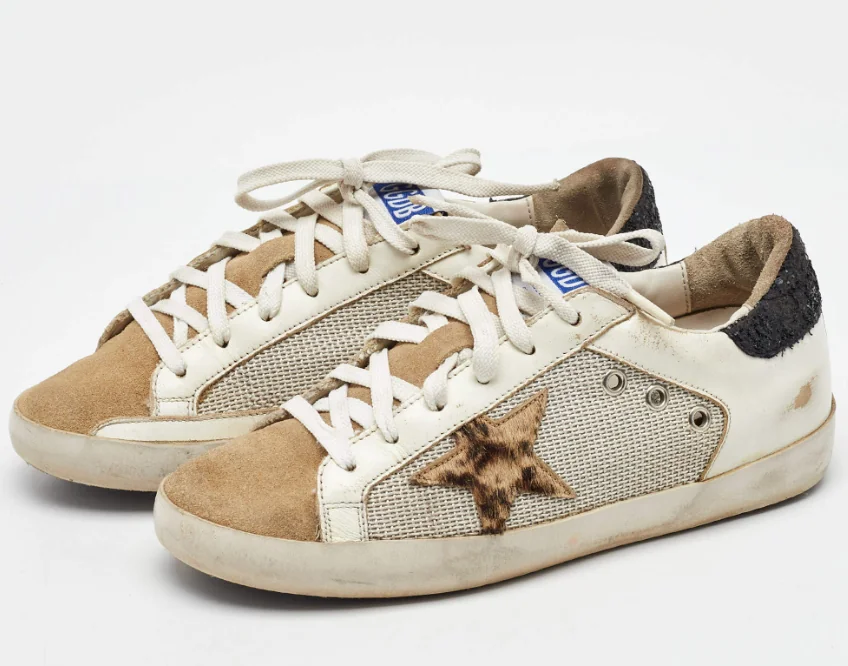
Here’s the pitch that shouldn’t work but absolutely does: hand over $500 to $600, and walk out with sneakers that look like you rescued them from a thrift store bin. No new-shoe smell, no pristine white leather, no satisfying “fresh out the box” moment. Just scuffs, cracks, and a sole that looks like it’s already survived a decade of sidewalks.
Welcome to Golden Goose, the Italian label that turned “beat-up” into a business model worth hundreds of millions of dollars.
I’ll admit my first reaction to Golden Goose sneakers was skepticism bordering on offense. Distressed denim, sure, that’s earned its place. But distressed luxury sneakers? Shoes engineered to look like someone else’s hand-me-downs? It felt like the fashion industry testing how far it could push us. Then I actually lived in a pair for a few months, watched them hold up (and fall apart, in some places), and paid closer attention to who’s buying them and why. The answer is more nuanced than “hype” or “marketing,” though both play a role.
This is a full breakdown of the Golden Goose price question: what you’re actually paying for, how the brand stacks up against cheaper alternatives, how to size them correctly so you don’t end up with an expensive mistake, and — the question that actually matters if you’re spending real money — whether they’re worth it.
The Real Reason Golden Goose Sneakers Are So Pricey#
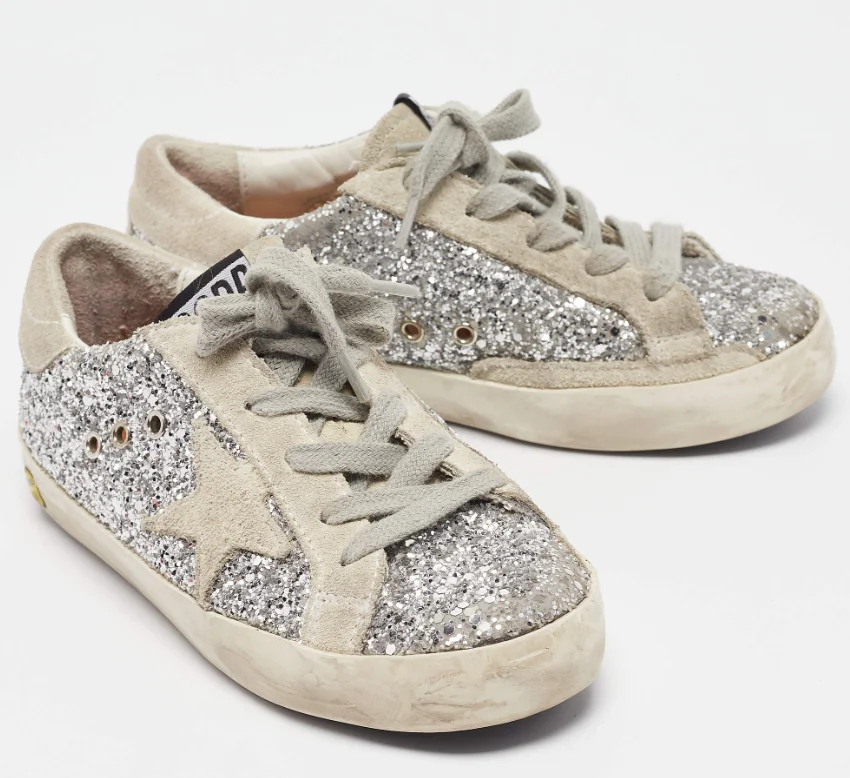
Let’s get the obvious objection out of the way first: yes, it’s strange to pay luxury prices for shoes that look pre-worn. But the price isn’t really about the distressing itself. It’s about everything that goes into making the distressing look convincing.
Brand heritage and positioning. Golden Goose was founded in Venice in 2000 by Alessandro Gallo and Francesca Rinaldo, who built the brand around a specific idea: take the comfort and casualness of a sneaker and dress it in luxury materials and an attitude. That “I didn’t try, but I clearly did” aesthetic is the whole brand identity, and it’s been consistent for over two decades. That kind of positioning takes time to build, and the brand has priced itself accordingly since well before the current hype cycle.
Hand-distressing is genuinely labor-intensive. Each pair is scuffed, scraped, and aged by hand, which means no two pairs are identical. That’s not just a marketing line — it’s the reason production is slower and more expensive than mass-market sneaker manufacturing. Someone is sitting there deciding where the wear marks go. Whether that’s worth a premium is a matter of taste, but it is real craftsmanship, not a factory setting.
The materials are legitimately good. Full-grain Italian leather, suede panels, canvas, cotton laces, soft leather linings. This is where I’ll give Golden Goose real credit: the base materials are a tier above what you’ll find in premium streetwear sneakers at a third of the price. The distressing is cosmetic; the construction underneath it isn’t.
Scarcity and celebrity visibility do the rest. Limited drops like the Moon-Star collection create genuine scarcity, and when Taylor Swift or A$AP Rocky are photographed in them, that’s free advertising money can’t easily replicate. This part of the price is pure demand economics — it has nothing to do with materials or labor, and it’s worth being honest about that.
So the price is a mix of real craftsmanship, real materials, and a hype premium layered on top. All three are legitimate reasons prices sit where they do. Only one of them (hype) is arguably something you’re paying for that has nothing to do with the shoe on your feet.
Golden Goose vs. The Rest: How Do They Compare?#
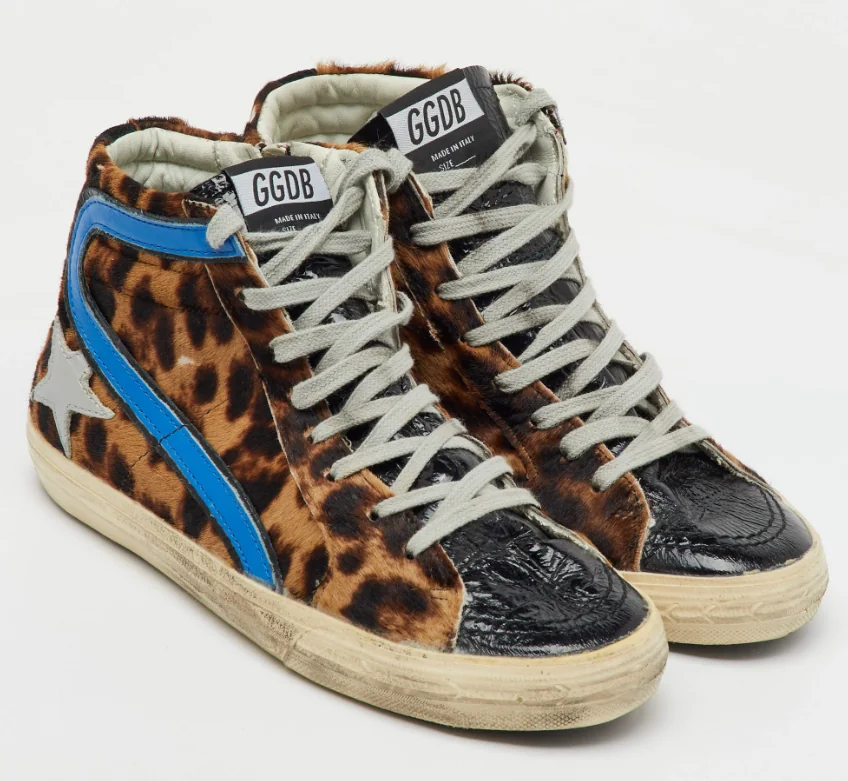
If you’re shopping in this category, you’ve probably already seen the alternatives. Here’s how they actually compare, not how their marketing wants you to see them.
Veja vs. Golden Goose. Veja is the sustainability-minded, effortlessly Parisian option — organic cotton, wild rubber soles, transparent supply chains, and a price point that’s genuinely accessible (usually $150 to $200). Golden Goose is Veja’s louder, more expensive cousin who’s not interested in your carbon footprint, just your silhouette. If sustainability credentials matter to you, or you want something that reads as understated rather than deliberately worn-in, Veja wins. If you want the distressed, look-at-me aesthetic and don’t mind paying for it, Golden Goose is doing something Veja isn’t even trying to do.
Vintage Havana vs. Golden Goose. Vintage Havana makes no secret of chasing the Golden Goose look at a fraction of the price, often under $100. And from six feet away in bad lighting, sure, it reads similarly. But the materials tell the real story fast — the leather is thinner, the distressing looks more uniform and less convincing, and the construction won’t hold up the same way over years of wear. It’s a fine option if you want the aesthetic for a season and don’t care about longevity or resale. It is not a substitute if you’re looking at this as an investment piece or want something that ages well.
The honest takeaway: Golden Goose sits in its own lane. It’s more expensive than both alternatives, but it’s also doing something neither is doing at the same level — combining genuine craftsmanship with a well-established luxury brand name. Whether that gap is worth several hundred extra dollars depends entirely on what you value: sustainability (Veja), budget (Vintage Havana), or brand cachet and material quality (Golden Goose).
How Do Golden Goose Sneakers Fit?#
This is where a lot of first-time buyers get tripped up, so pay attention here before you buy — Golden Goose sizing has quirks that aren’t obvious from the product photos.
Fit and feel. These run slightly wider than most luxury sneakers, which is good news if you have broader feet or just prefer extra room in the toe box. They also feature a plush leather insole that adds roughly 3 to 5 cm of internal lift — essentially a subtle, built-in platform. It’s comfortable, but it does change how the shoe fits lengthwise.
Sizing guide. Golden Goose only makes whole sizes: US women’s 4 (IT 34) through 11 (IT 41), and men’s US 6 (IT 39) through 14 (IT 47). If you normally wear a half size, size down. The internal lift shortens the perceived length of your foot, and the extra width compensates comfortably.
For example, if you’re usually a US women’s 6.5, go for a US 6 / IT 36. If you’re a US 7.5, go for a US 7 / IT 37. Men’s sizing follows the same logic — round down when you’re between sizes.
A few things I’ve learned from actually wearing them:
- High-top styles feel snug around the ankle out of the box but loosen up quickly with wear.
- No-show socks (or going barefoot) enhance that intentionally lived-in look the brand is going for.
- Toddler and kids’ styles run small, so size up, especially if thick socks are involved.
One honest caveat: because Golden Goose only offers whole sizes, if you’re a true half size on both sides of a size, you may end up choosing between slightly loose or slightly snug. There’s no perfect middle ground here, and that’s a real limitation worth knowing before you buy, especially if you’re ordering online without trying them on first.
Are Golden Goose Sneakers Worth the Investment?#
This is the question that actually matters if you’re spending $500-plus on sneakers, so let’s not dance around it.
Resale value is mixed, and depends heavily on the style. Limited editions and collaborations (think Moon-Star drops or celebrity-associated colorways) can hold value reasonably well on the resale market, sometimes even appreciating shortly after release if demand outpaces supply. Standard Superstar and Hi-Star colorways, on the other hand, depreciate like most sneakers — expect to recoup a fraction of retail unless the pair is in excellent condition and a sought-after colorway. If resale value is your primary motivation, treat Golden Goose more like limited-run streetwear than like a [[Chanel](/brands/luxury-brands-founded-by-women/)](/brands/devil-wears-prada-2-fashion-style-guide/) bag or a Rolex. The investment logic that applies to hard luxury goods doesn’t transfer cleanly here.
Durability is genuinely good, with one caveat. The leather and suede hold up well to regular wear, and the “distressed” aesthetic means they don’t show new scuffs the way pristine white sneakers do — a practical upside for anyone who actually wears their shoes rather than shelving them. The soles, however, are the weak point. Because they’re intentionally aged during production, some buyers find the sole wear accelerates faster than expected once you’re actually walking in them daily. If you’re rotating them into regular use rather than occasional wear, budget for eventual resoling or replacement sooner than you might with a fully “fresh” luxury sneaker.
Who should buy them: People who genuinely love the aesthetic and want a well-made version of it, people who wear sneakers daily and want something that looks better with wear rather than worse, and collectors chasing specific limited drops with resale upside.
Who should skip them: Anyone buying purely for resale flipping on standard colorways (the margins usually aren’t there), anyone who wants their new shoes to look new, and anyone put off by the idea of paying a premium for a look you could get closer to for $80 elsewhere. If budget is the primary concern, Vintage Havana or similar dupes will scratch the aesthetic itch without the price tag. If you want the real construction and brand cachet, Golden Goose earns its price more than most luxury sneaker brands, even if the margin over cost is still generous.
My honest bottom line: they’re a reasonable buy for someone who wants the look and the materials and plans to actually wear them into the ground. They’re a shaky buy if you’re expecting them to function like an investment-grade asset.
FAQ#
Why are Golden Goose sneakers so expensive? A combination of hand-distressing labor, premium Italian leather and suede, established brand heritage since 2000, and demand driven by limited drops and celebrity visibility. The materials and craftsmanship justify part of the price; the hype premium accounts for the rest.
Do Golden Goose sneakers run true to size? No. They run slightly wide and feature an internal lift of about 3 to 5 cm, which shortens the perceived fit lengthwise. Most buyers should size down half a size from their usual size, since Golden Goose only offers whole sizes.
Are Golden Goose sneakers comfortable? Yes, generally. The padded leather insoles and soft lining make them genuinely comfortable for daily wear and travel, though high-tops can feel snug around the ankle until they break in.
Do Golden Goose sneakers hold their value? It depends on the style. Limited editions and collaborations can retain or occasionally exceed resale value. Standard colorways in the Superstar or Hi-Star lines depreciate like most sneakers and shouldn’t be bought as a primary investment strategy.
What’s a good alternative to Golden Goose sneakers? Veja if sustainability and a lower price point matter more than the distressed aesthetic. Vintage Havana if you want a similar look for under $100 and don’t need the same material quality or longevity.
How long do Golden Goose sneakers last? The leather and suede uppers hold up well with regular wear. The soles tend to wear faster than expected since they’re already artificially aged during production, so daily wearers should expect to resole or replace them sooner than a standard luxury sneaker.
Related Articles#
- Why the Chanel Crossbody Bag Never Goes Out of Style
- 4 Reasons Bally Bags Are Worth Buying: A Buying Guide
- Best Time to Buy a Luxury Handbag: Save More in 2025
- Chanel Flap Bag Buying Guide: Sizes, Prices & Deals
Related guides
- Online Bag Authentication: What Photos Can and Cannot Prove
- Fake Goyard Bag Guide: How to Spot Real vs Fake (2026)
- How to Spot a Fake Chanel Flap Bag: Authentication Guide
- How to Spot a Fake Hermès Birkin: Expert Checklist
- How to Buy an Authentic Luxury Bag from China Safely
- New vs Pre-Owned Luxury Bags: Which Route Is Right for You?
- Chanel Bag Guide: What to Know Before You Buy
- Luxury Bag Houses


Keyword index