Source: lovintage. Imported with permission; images stored locally.
In the previous episode, we noted that many shoppers lack foundational knowledge about pre-owned goods — a gap that breeds confusion and fear of being misled. With so many resellers, consignment shops, and buying agents competing for attention, it’s easy to feel overwhelmed.
For the third installment of Loving Vintage Bags, we sat down with Chi Kin, owner of Lovintage, to get the essential tips every buyer should know. He also shares several exceptionally rare and valuable CHANEL vintage handbags that serious collectors won’t want to miss.
Photography: Gong Jiasheng
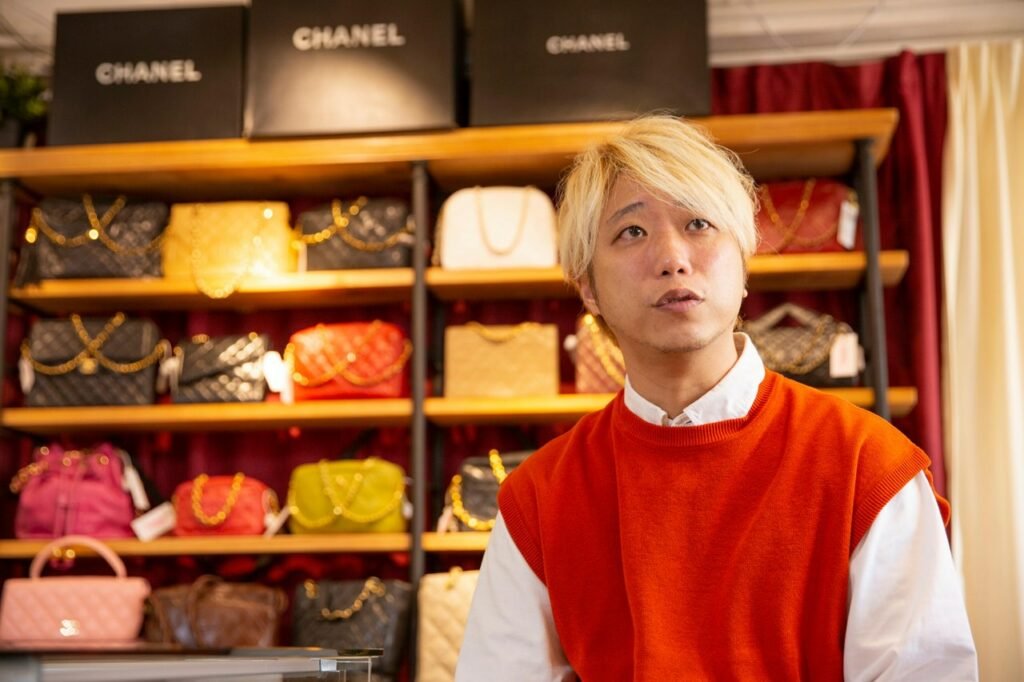
Chi Kin regularly produces videos and articles to educate the public and correct common misconceptions about vintage handbags. (Photo: Gong Jiasheng)#
After eight years in business, Chi Kin has observed that while Hong Kong shoppers have genuine enthusiasm for pre-owned handbags, their working knowledge of the market remains thin. To close that gap, he consistently produces videos and articles that break down the basics and push back against persistent myths.
Beyond the serial number card issue covered last time, Chi Kin flagged a few more things worth keeping in mind when buying a pre-owned handbag.
Japan’s Second-Hand Dealer License#
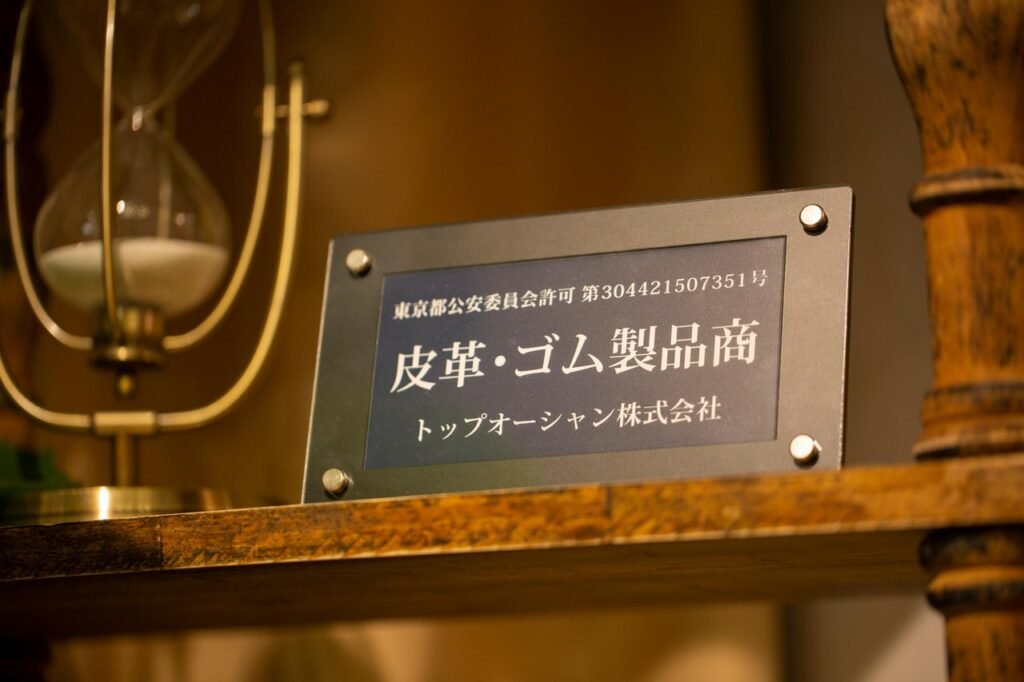
Japan enforces strict licensing requirements on second-hand sellers. Dealers must hold an official Second-hand Dealer License to legally buy or sell. (Photo: Gong Jiasheng)#
As major brands continue rolling out new styles and the resale market grows alongside them, the field has become crowded — and uneven in quality. Buyers reasonably worry about ending up with a fake and losing their money.
One meaningful safeguard Chi Kin points to is Japan’s licensing system. Japanese law requires anyone selling second-hand goods to hold a government-issued Second-hand Dealer License. Without it, a seller cannot legally conduct purchases or sales in Japan, and is barred from entering auction venues entirely. These licenses are issued at the regional level and are actively enforced. If a license holder is caught selling counterfeit goods, the consequences are severe: the government can seize their property, and they are permanently banned from working in the industry.
When buying from a Japanese source, it’s worth asking the seller to show their dealer license before committing.
What Photos Can’t Tell You: Texture and Smell#
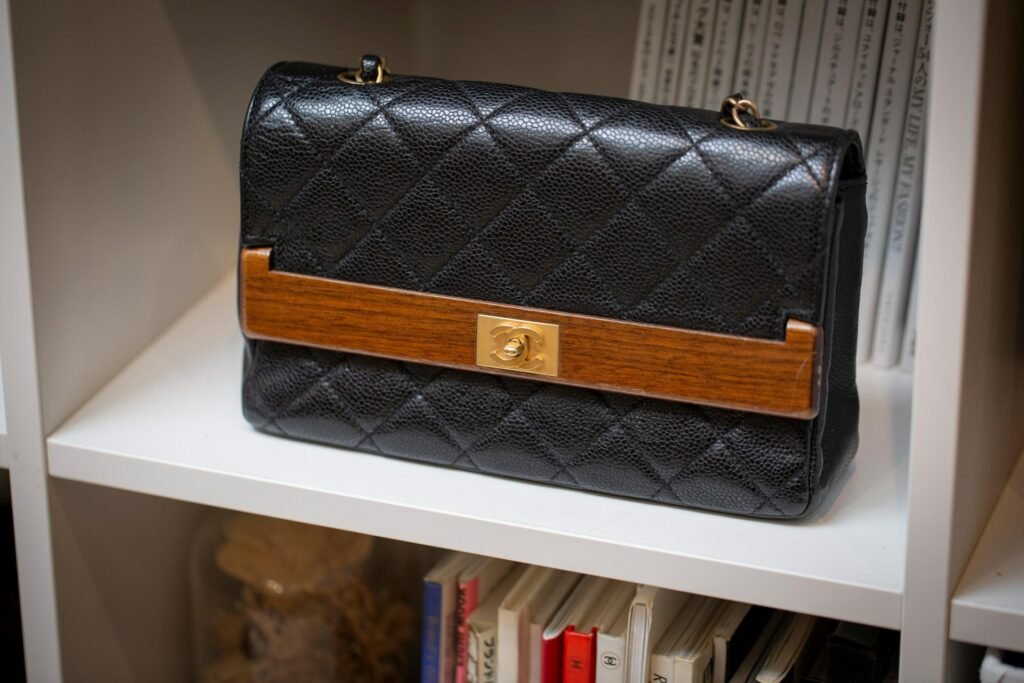
CHANEL Vintage Super Model Tote Bag#
With so much shopping happening online — and popular styles selling out in seconds — many buyers end up making decisions based on photos alone. Chi Kin cautions that photos leave out two critical factors.
“There are two major things that photos simply cannot show,” he explains. “The first is how the bag feels in your hands, and the second is how it smells. Don’t underestimate the smell. A lot of pre-owned handbags coming out of Japan carry strong odors — Japanese women in particular tend to smoke and wear heavy perfume, and those scents get absorbed into the leather over time. Among serious collectors, odor is a real concern. The baseline expectation is no noticeable smell at all. For buyers with higher standards, the bag should still carry its original leather scent.”
On one occasion, Zijian came across a handbag with a smell he can only describe as rotting fish — sour, sticky, and deeply embedded in the leather. He spent six months working to eliminate the odor and never fully succeeded. It’s a sobering reminder that spending tens of thousands of yuan on a vintage bag is no guarantee you’ll be happy with what arrives.
Refurbishment: An Open Secret in the Trade#
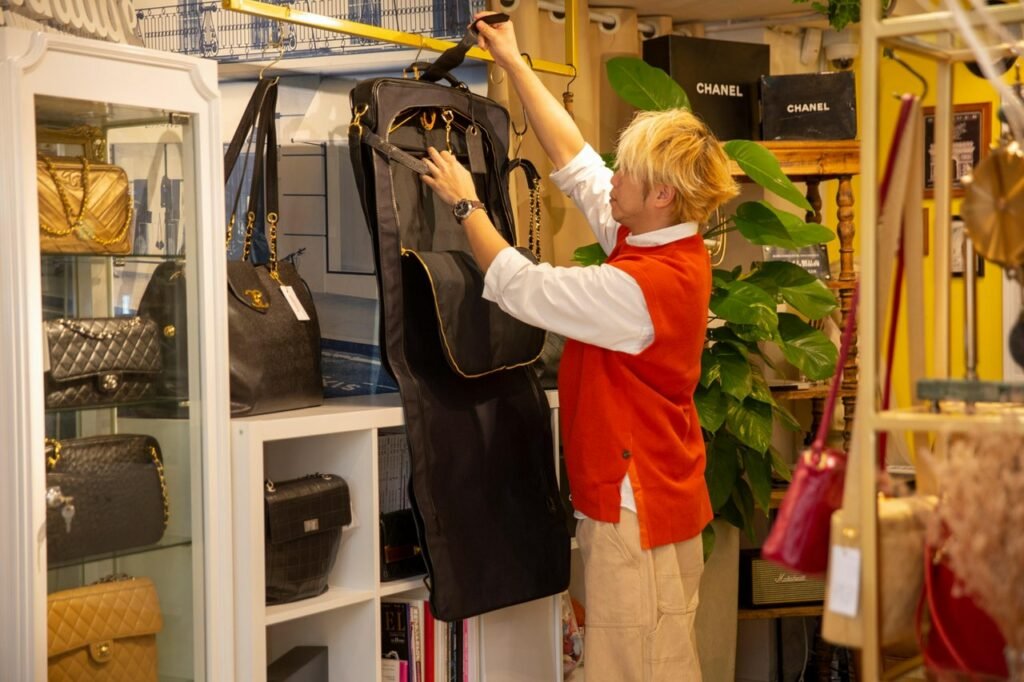
In Japan’s second-hand industry, refurbishment is standard practice — nearly 90% of pre-owned bags have undergone some form of restoration. (Photo: Gong Jiasheng)#
A customer once walked into a second-hand shop in the UK and was struck by how worn and tired the bags looked. Then she compared them to the pre-owned bags coming out of Japan: clean, fresh, almost pristine. The difference comes down to one word — refurbishment.
Zijian defines it simply: “Something like touching up the color on a bag’s corners counts as refurbishment.” In Japan, this is no secret. Close to 90% of second-hand bags have been worked on in some way, and Japanese buyers accept this without much fuss.
Hong Kong’s Double Standard#
Many second-hand shops in Hong Kong, however, flatly deny that they sell refurbished pieces. Zijian pushes back on this. “How can anyone claim that a bag made 40 years ago, sold countless times, has never once been touched up?” he asks. For him, the real question isn’t whether a bag has been refurbished — it’s how well it was done.
He draws an analogy to skin care: “If you keep picking at a wound, it gets worse and may leave a scar. But treat it properly, and once it heals, there’s no trace left. Handbags work the same way. Natural wear is inevitable — that’s just what happens when you use something. The answer isn’t to hide the bag in a closet to protect its condition. Buy it, use it, and maintain it regularly. Don’t let damage pile up until a full restoration is the only option. That’s the right approach.”
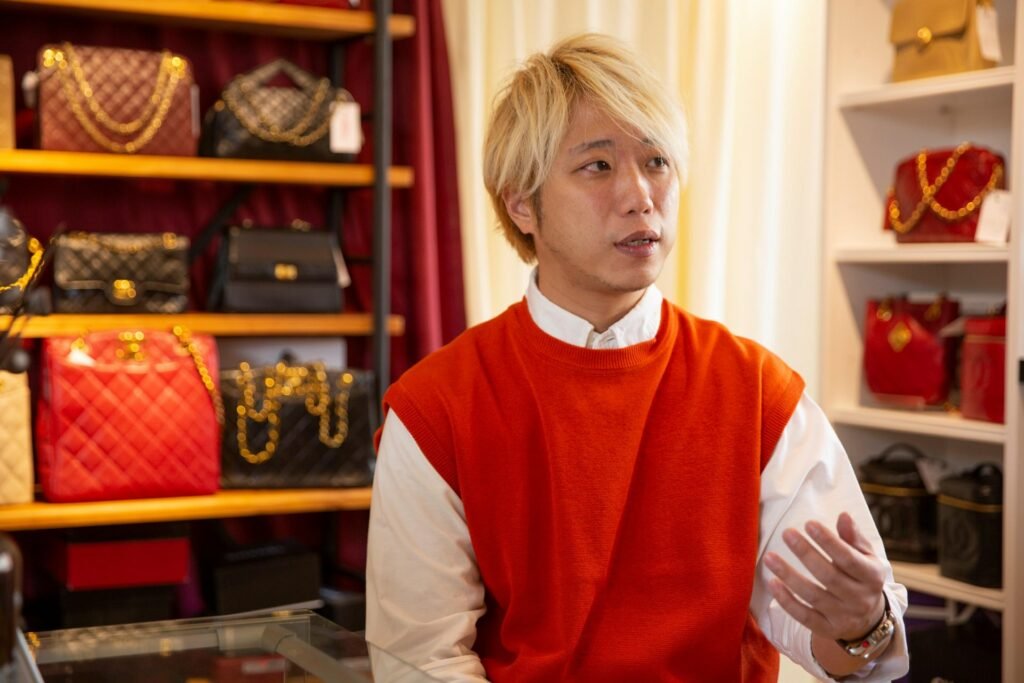
Zijian walks through the finer points of vintage bag knowledge at Lovintage. (Photo: Gong Jiasheng)#
Eight Years and Still Standing#
Lovintage has now been operating for eight years. Even the pandemic couldn’t shake it. The shop has quietly built what amounts to one of Hong Kong’s most remarkable concentrations of pre-owned CHANEL bags, sourcing pieces from around the world. If you find yourself in Causeway Bay, the store on Sharp Street East is worth a visit — you might just find the CHANEL piece you didn’t know you were looking for. And if you have a little extra time, take a close look at Zijian’s personal collection in the glass cabinets. These are genuinely rare pieces that money alone can’t always secure. It’s an education in itself.
Original URL: Love for vintage bags | The owner of a CHANEL vintage bag store teaches tips on how to avoid buying fakes | Hong Kong 01 https://www.hk01.com/article/544635


Keyword index